

Building a tiny house means every square foot and every system has to earn its place, and water equipment is no exception. Unlike a traditional home where plumbing and water systems are tucked away in a basement or utility room, tiny houses demand careful planning for where water comes from, how it is treated, and how it is stored. Whether you plan to live off-grid, on a rural lot, or in a small backyard build, understanding your water options early will save you costly redesigns later. This guide walks through the key water equipment decisions that belong in your tiny house plan from the very start.
Choosing a Water Source for Your Tiny House
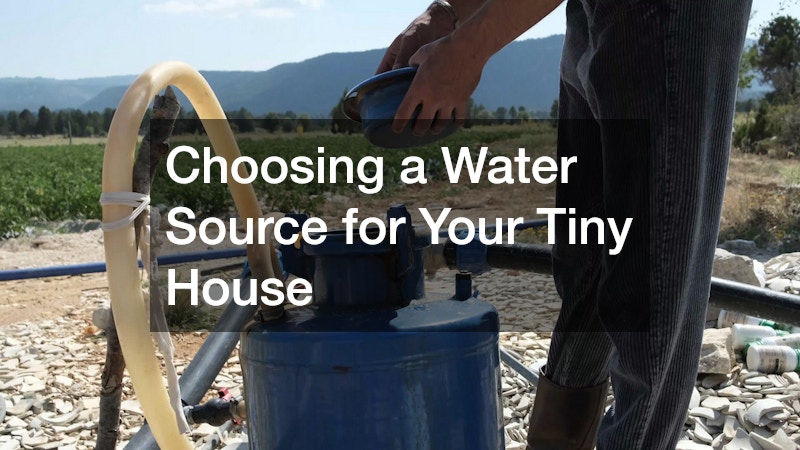
Before you can design plumbing chases or pick fixtures, you need to know where your water will actually come from. Tiny houses on permanent foundations often rely on the same source as a standard home, such as a municipal connection or private well, while mobile tiny houses may depend on portable tanks that get refilled periodically. The source you choose affects everything downstream, including pump sizing, filtration needs, and storage capacity.
If your property does not already have access to municipal water, you may need to consider drilling your own source. Well drilling for a tiny house is often more straightforward than for a full-sized home because water demand is lower, but it still requires permits, site evaluation, and a licensed contractor familiar with local geology. Planning this step early in your build ensures your foundation and utility layout are designed around the well location rather than fighting against it later.
- Municipal hookup for simplicity and consistent pressure
- Private well for rural or off-grid properties
- Portable water tanks for mobile or seasonal tiny houses
- Rainwater collection systems as a supplemental source
Sizing Water Storage Tanks for Limited Space
Storage tanks are one of the biggest space challenges in a tiny house, since fresh water, gray water, and sometimes black water all need dedicated containment. Most tiny house builders aim for tanks that hold at least a few days’ worth of water without becoming so heavy that they compromise a trailer’s weight rating. Placement matters just as much as capacity, since tanks are often tucked under the floor, inside a bump-out, or within built-in furniture.
Calculating the right size depends on how many people live in the tiny house and their daily habits, such as how often they shower or run laundry. A single occupant might get by with a 40-gallon tank, while a couple or family may need closer to 100 gallons to avoid frequent refills. Insulating tanks is also essential in colder climates to prevent freezing during winter months.
- Fresh water tank for drinking, cooking, and bathing
- Gray water tank for sink and shower runoff
- Black water tank if a flush toilet is installed
- Insulated or heated tank compartments for cold climates
Selecting the Right Water Pump and Pressure System
A tiny house needs a pump to move water from storage or a well into the plumbing system, and choosing the right one affects daily comfort more than most people expect. Undersized pumps lead to weak shower pressure, while oversized pumps waste energy and space that a tiny house simply cannot spare. Demand pumps, which activate automatically when a faucet is opened, are popular because they run only when needed and use relatively little power.
It is worth planning for occasional maintenance from the start, since pumps are mechanical parts that wear out over time. Keeping a small stock of replacement seals or knowing a local technician for well pump repair can prevent a minor issue from turning into days without running water. Mounting the pump somewhere accessible, rather than buried behind cabinetry, makes these repairs far less frustrating when they eventually come up.
- Demand pumps for on-demand, energy-efficient operation
- Accumulator tanks to smooth out pressure fluctuations
- Accessible mounting location for easier servicing
- Noise-dampening pads to reduce vibration in small spaces
Treating and Filtering Water Before It Reaches Your Taps

Water quality varies enormously depending on the source, and tiny house dwellers often need to be more hands-on about treatment than someone connected to a municipal supply. A basic sediment filter handles dirt and debris, but many wells and rural sources also carry minerals that affect taste, appliance lifespan, and skin comfort. Hard water in particular can leave scale buildup inside small-diameter pipes, which is a bigger problem in a tiny house where clogs are harder to access and fix.
A compact water softener is one of the most practical additions for tiny house plumbing, since it protects fixtures and extends the life of water heaters and pumps. Many manufacturers now produce smaller-format softening units designed specifically for RVs and tiny homes, which fit into tight utility closets without sacrificing performance. Pairing a softener with a basic carbon filter also improves taste, which matters when you are hauling and reusing every drop of water.
- Sediment pre-filters to remove dirt and particulates
- Compact softening units sized for small households
- Carbon filters for improved taste and odor
- UV purification for off-grid or untreated sources
Planning Plumbing Layout Around Water Equipment
Once the source, storage, pump, and treatment equipment are chosen, the plumbing layout needs to tie everything together efficiently. Tiny houses benefit from keeping the kitchen and bathroom close together so pipe runs stay short, which reduces heat loss and water waste. Running lines through interior walls rather than exterior ones also helps protect pipes from freezing in colder regions.
Access panels are often overlooked in tiny house design, but they matter enormously for long-term maintenance. Every valve, fitting, and piece of equipment should have a way to be reached without tearing into finished walls or built-in furniture. Thinking through this now, while the house is still on paper, is far easier than retrofitting access later.
- Short, direct pipe runs between kitchen and bathroom
- Interior wall placement to reduce freeze risk
- Removable panels for pumps, filters, and valves
- Clear labeling of shutoff points for emergencies
Water equipment may not be the most glamorous part of tiny house planning, but it shapes daily comfort more than almost any other system in the build. Take time to map out your source, storage, pump, and treatment needs before finalizing your floor plan, since retrofitting these systems afterward is far more disruptive. Talk with local contractors and suppliers who understand small-space plumbing to make sure your choices fit both your lifestyle and your build’s limitations. With the right planning, your tiny house can deliver reliable, clean water without sacrificing the space efficiency that drew you to tiny living in the first place.