
Rising utility bills are a growing concern for homeowners, especially in smaller houses where every square foot counts. Even modest inefficiencies in heating, cooling, or water usage can quickly add up, creating unnecessary financial strain. Fortunately, small home owners can take concrete steps to reduce their monthly bills without sacrificing comfort. With thoughtful planning, simple maintenance, and strategic upgrades, energy savings are entirely achievable. This guide walks you through actionable strategies that go beyond basic tips, offering specific ways to cut costs and boost efficiency.
Optimize Your Heating and Cooling System
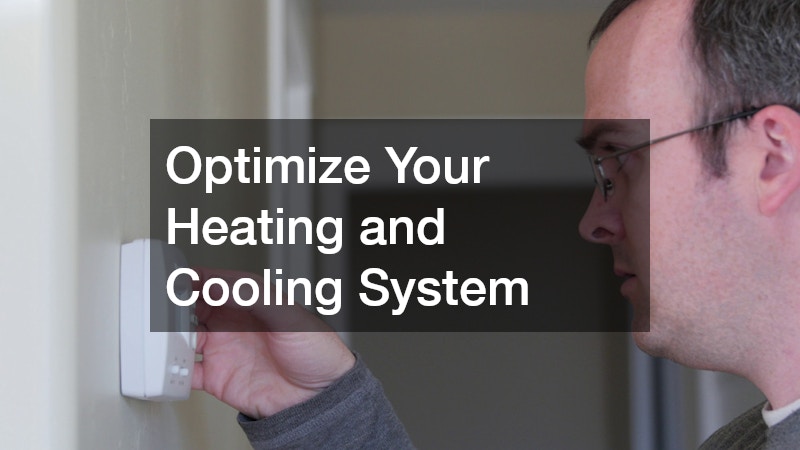
Heating and cooling systems are often the largest contributors to utility bills. A system that isn’t running efficiently can waste energy and money, particularly in small homes where space is limited and energy use is concentrated. One of the first steps in reducing heating and cooling costs is partnering with a reputable HVAC company.
Regular maintenance can prevent small issues from becoming major energy drains. Ensuring that your system operates at peak efficiency keeps your home comfortable and reduces wear and tear, which extends its lifespan and prevents expensive replacements.
- Schedule seasonal inspections and tune-ups to ensure your system is running at peak performance.
- Clean or replace filters regularly to prevent strain on the system and maintain airflow.
- Ensure that ducts are sealed properly; leaks can account for significant energy loss.
- Consider programmable thermostats or smart home devices to manage temperature intelligently and avoid unnecessary usage.
Address Common AC Issues Promptly
Air conditioning systems often consume a large portion of a home’s energy, especially during the hottest months of the year. Small problems, such as refrigerant leaks, clogged filters, worn-out belts, or inefficient coils, can significantly reduce system efficiency and force the unit to work harder to maintain comfortable temperatures. Over time, these minor issues can accumulate, causing energy bills to rise and potentially leading to more serious damage. Regular monitoring and early attention to warning signs can make a major difference in energy consumption, keeping both the system and your utility bills under control.
Homeowners who act quickly when minor AC issues appear can prevent higher bills and longer repair times down the line. Even a slight disruption in system performance can create a ripple effect, causing fans, compressors, or other components to overwork, which not only wastes energy but may shorten the lifespan of the entire unit. Prompt AC repairs minimize this stress on the system, improve indoor comfort, and provide peace of mind that your cooling equipment is operating safely and efficiently.
- Keep an eye out for inconsistent cooling or strange noises, which may indicate system stress.
- Monitor your utility bills for sudden spikes, which can signal hidden issues with the AC unit.
- Schedule professional repairs promptly rather than waiting until a minor issue becomes a major problem.
Work With Certified Professionals
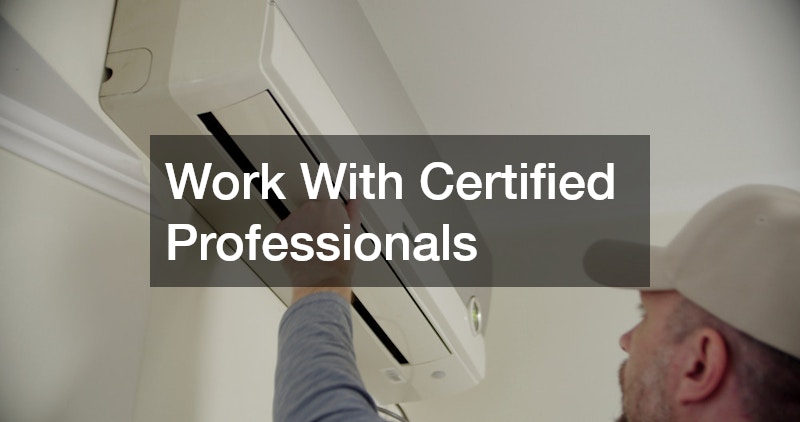
While DIY maintenance can help with simple tasks like filter changes, many energy-saving opportunities require the expertise of an experienced HVAC technician. A professional can identify hidden inefficiencies and recommend improvements that homeowners may overlook.
Certified technicians are trained to detect subtle issues that can affect your home’s energy efficiency. They can perform in-depth system evaluations and ensure your equipment is correctly sized and functioning properly, helping to avoid costly mistakes.
- Have your system evaluated for proper sizing; a unit that is too large or too small will waste energy.
- Ask the technician to assess ductwork, insulation, and system age to provide a complete efficiency overview.
- Ensure that any repairs or replacements follow manufacturer guidelines to extend the lifespan of your equipment.
Maximize Airflow and Efficiency
Proper airflow is key to ensuring that air conditioning systems operate efficiently. Even a high-performing unit will waste energy if air isn’t distributed evenly throughout your home, leading to hot or cold spots that force the system to work harder. Blocked vents, poorly positioned furniture, and dirty or clogged registers can all disrupt airflow, reducing the effectiveness of your AC and increasing energy consumption. Maintaining clear pathways for air and ensuring the system’s ducts are properly sealed allows conditioned air to circulate freely, which helps your home reach the desired temperature faster and with less effort from the unit.
Small changes in airflow can dramatically improve comfort while reducing your reliance on energy-intensive cooling. Using ceiling or portable fans to help move air, keeping vents unobstructed, and strategically opening or closing doors can balance temperatures throughout your home. Proper airflow also prevents certain areas from being overcooled, which not only saves energy but reduces wear and tear on your AC system. In compact living spaces, where airflow issues can have an outsized effect, these simple adjustments ensure consistent temperature control and improve overall efficiency.
- Keep vents unblocked by furniture or curtains to allow free airflow.
- Clean vents and registers regularly to remove dust and debris.
- Seal gaps around windows and doors to prevent conditioned air from escaping.
- Use ceiling fans strategically to circulate cool air and reduce reliance on air conditioning.
Keep Your Heating System Efficient
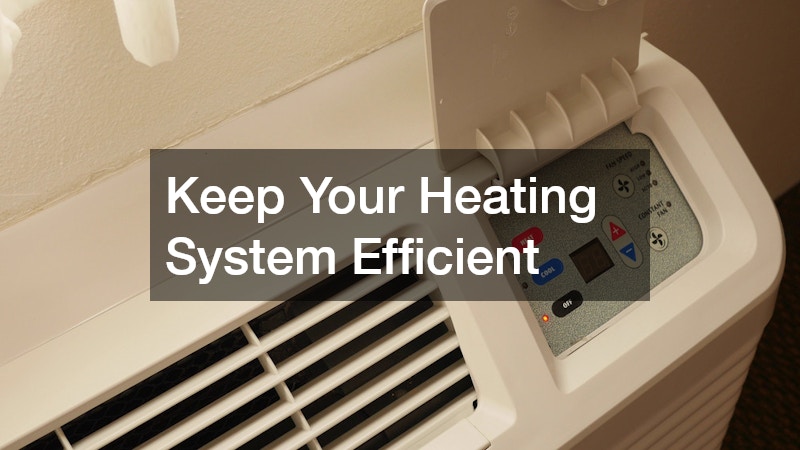
Furnaces are another significant factor in utility costs, particularly in colder months. Neglecting regular maintenance can lead to inefficiencies that drive up heating bills. Furnace repair is often necessary when a system begins operating inconsistently or inefficiently.
A well-maintained furnace not only reduces energy waste but also ensures a safer and more reliable heating system. By addressing potential problems early, homeowners can avoid emergency repairs and extend the life of their unit.
- Schedule annual furnace inspections to ensure the system is clean, properly lubricated, and running efficiently.
- Replace or clean filters regularly to maintain airflow and prevent the furnace from overworking.
- Consider upgrading older units to higher-efficiency models that use less energy to achieve the same level of heating.
Troubleshoot AC Issues Before They Escalate
Air conditioning repairs aren’t always obvious, and ignoring small problems can lead to significantly higher utility costs. Issues like a leaking refrigerant line, a failing capacitor, or a partially blocked condenser may not immediately affect cooling performance but can steadily reduce efficiency. Over time, these seemingly minor problems force the AC system to work harder, drawing more electricity and raising energy bills. Regular monitoring, combined with timely air conditioning repairs, ensures that small issues are addressed before they escalate into costly breakdowns or permanent damage to the system.
Early detection and preventive action can save both energy and money while maintaining consistent comfort in your home. Paying attention to subtle warning signs—such as unusual noises, uneven cooling, or increased run times—allows you to act quickly and prevent unnecessary strain on the system. Proactive maintenance and prompt repairs also extend the life of your unit, reducing the need for premature replacement. By addressing issues early, homeowners can enjoy more reliable cooling, lower utility costs, and peace of mind that their system is operating efficiently.
- Listen for unusual sounds, such as rattling or hissing, which can indicate leaks or component issues.
- Monitor cooling performance and note any areas of the home that are warmer than others.
- Keep coils and condenser units clean to maximize heat exchange efficiency.
- When minor issues are noticed, contact a professional for air conditioning repairs rather than attempting risky DIY fixes.
Upgrade to Energy-Efficient Water Heating
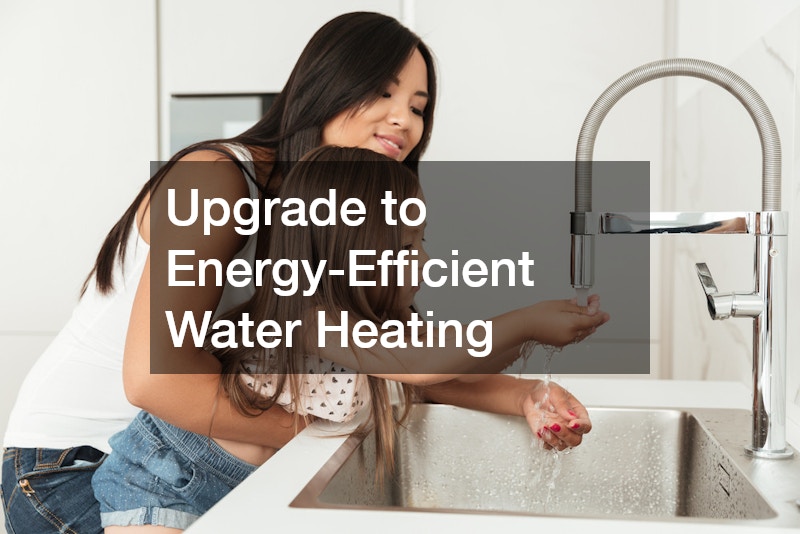
Water heating is often overlooked as a source of high energy costs, but it can be surprisingly impactful, especially in small homes where older systems may operate inefficiently. Investing in modern, energy-efficient solutions can make a substantial difference. Tankless water heater installers can help homeowners upgrade to on-demand systems that only heat water when needed.
Switching to a tankless system can reduce standby energy loss and provide endless hot water without increasing utility bills. Professional installation ensures your system operates safely and efficiently while meeting your needs.
- Consider replacing traditional storage tanks with tankless models that eliminate standby heat loss.
- Schedule professional installation to ensure proper sizing and optimal performance.
- Evaluate your household’s hot water needs to avoid oversizing, which wastes energy.
Regular Plumbing Maintenance Saves Money
Leaks, dripping faucets, and inefficient fixtures can silently increase water and energy bills over time. Even a slow drip or a small leak in a compact home can waste hundreds of gallons of water per year, which in turn forces water heaters to work harder, consuming more energy. Small homes are especially susceptible because these minor losses represent a larger proportion of total water usage, meaning the impact on utility bills is amplified. Partnering with a local plumber ensures that these issues are identified early, allowing homeowners to fix problems before they escalate and create unnecessary costs.
Routine maintenance and prompt repair of plumbing issues not only conserve water but also reduce heating costs associated with wasted hot water. Replacing worn-out fixtures, tightening loose connections, and checking for hidden leaks behind walls or under sinks can prevent long-term damage to your home’s plumbing system. Addressing minor leaks early protects your home from costly water damage, mold growth, and corrosion, while keeping energy consumption low.
- Inspect exposed pipes for leaks or corrosion and repair immediately.
- Install low-flow faucets and showerheads to reduce water consumption without compromising comfort.
- Flush water heaters periodically to remove sediment buildup, which can reduce heating efficiency.
- Ensure that outdoor irrigation systems are properly maintained to avoid unnecessary water waste.
Choose Smart Water Heating Services
Maintaining your water heater is just as important as selecting the right system for your home. Over time, sediment buildup, corrosion, and worn components can reduce efficiency, increase energy consumption, and even cause leaks or system failure. Scheduling regular water heater services with skilled professionals ensures that your unit is inspected, cleaned, and adjusted properly, allowing it to operate at peak efficiency and maintain a consistent supply of hot water without overworking.
Proper upkeep not only extends the life of your water heater but also improves overall energy efficiency. Flushing the tank, checking pressure valves, and verifying thermostat settings are simple steps that can prevent energy waste and maintain optimal performance. Regular maintenance reduces the amount of work your water heater has to do, cutting down on electricity or gas usage and lowering utility bills. By investing in professional water heater services, small home owners can enjoy reliable hot water, avoid unexpected costs, and achieve long-term savings.
- Schedule annual inspections to check for corrosion, sediment buildup, or leaks.
- Test temperature settings to ensure the water heater is not overheating, which wastes energy.
- Insulate older units to reduce heat loss and maintain temperature with less energy.
- Address any issues promptly with a qualified technician to prevent small problems from escalating.
Collaborate With Experienced Plumbing Contractors
Major plumbing repairs or upgrades require the expertise of a plumbing contractor. Attempting complex installations or repairs without professional guidance can lead to mistakes that are costly to fix and may even cause long-term damage to your home’s plumbing system. Experienced contractors ensure that all work is completed according to code, using the right materials and techniques for your home’s specific layout. This level of precision prevents leaks, water damage, and unnecessary energy or water waste, which can all contribute to higher utility bills.
Experienced plumbing contractors can recommend solutions tailored to your home’s size and usage patterns, helping you make informed decisions that improve efficiency. They can suggest upgrades such as low-flow fixtures, energy-efficient water heaters, or optimized pipe layouts that reduce wasted energy and water. Their expertise also allows for proper maintenance planning, helping homeowners address potential issues before they become costly problems. By collaborating with a qualified contractor, homeowners can maximize utility savings while ensuring that their plumbing system operates reliably and safely for years to come.
- Have a professional assess your home’s plumbing for outdated fixtures, leaks, or inefficiencies.
- Upgrade pipes, valves, or systems as needed to improve water flow and heating efficiency.
- Consider installing water-saving appliances or tankless systems with contractor guidance to maximize utility savings.
- Ask the contractor for advice on energy-efficient upgrades tailored to the size and needs of your small home.
Utility bills don’t have to be a constant source of stress, even in small homes. By optimizing heating and cooling systems, addressing AC issues promptly, maintaining plumbing, and investing in energy-efficient upgrades, homeowners can achieve meaningful savings without sacrificing comfort. Regular professional maintenance and proactive problem-solving are key to long-term efficiency. By gradually implementing these strategies, small home owners can reduce their monthly expenses, improve comfort, and enjoy a more sustainable lifestyle.