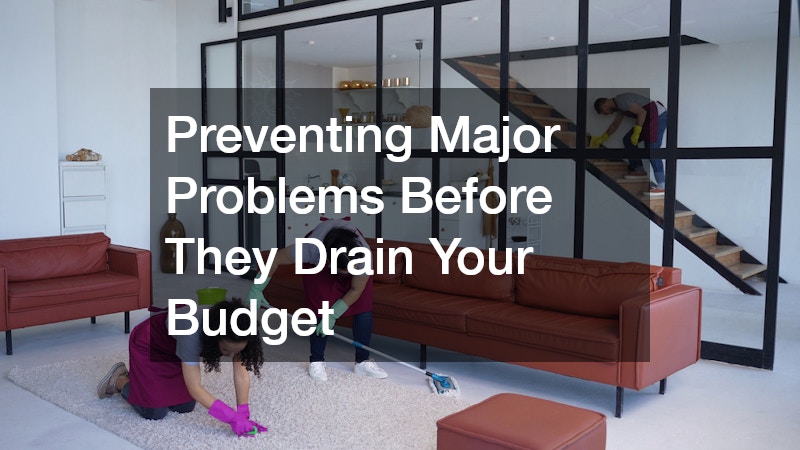

Small maintenance issues rarely stay small for long, and homeowners who ignore early warning signs often end up facing five-figure repairs down the road. The good news is that most costly disasters give plenty of notice before they turn into emergencies. By learning what to watch for and acting early, you can protect your home’s value, keep your family safe, and avoid the financial stress of surprise repairs. This guide walks through the most common trouble spots in and around your home so you know exactly where to focus your attention and your budget.
Watching Your Roof for Early Warning Signs
Your roof takes more abuse than almost any other part of your home, absorbing sun, wind, hail, and heavy rain year after year. A small leak that goes unnoticed can quietly rot the decking underneath, leading to mold, insulation damage, and even structural sagging before you ever see a stain on the ceiling. Scheduling a professional inspection once or twice a year, especially after major storms, gives you a chance to catch problems while they are still cheap to fix.
Many homeowners wait until water is dripping through the ceiling before calling for help, but by then the damage has usually spread far beyond the original problem area. Reaching out to local roofers for a routine checkup costs a fraction of what a full roof replacement runs, and it gives you a clear picture of how many years of life your current roof has left. Experienced roofers can also spot subtle issues like cracked flashing or lifted shingles that an untrained eye would easily miss.
- Curling, cracked, or missing shingles visible from the ground
- Granules collecting in gutters or at the base of downspouts
- Daylight visible through the attic roof boards
- Sagging spots along the roofline
- Water stains on interior ceilings or upper walls
Spotting Foundation and Concrete Trouble Early
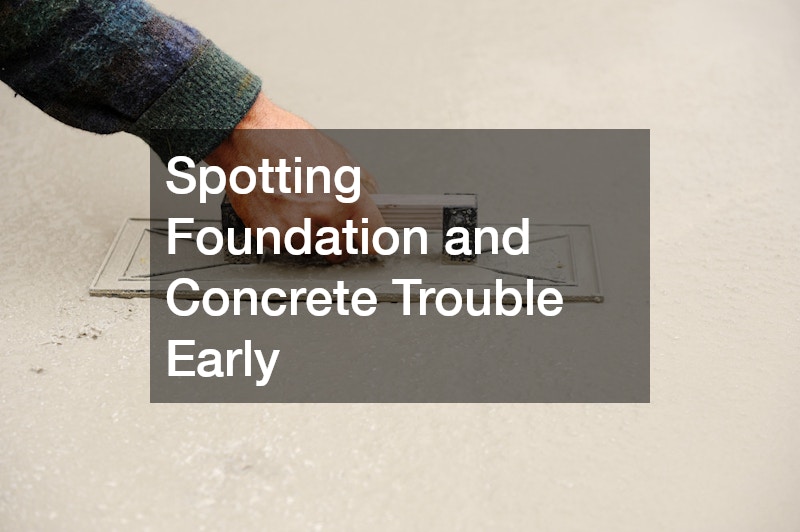
Foundation problems are among the most expensive repairs a homeowner can face, and they rarely announce themselves with a single obvious sign. Instead, they show up gradually as hairline cracks in walls, doors that stick, or floors that feel slightly uneven underfoot. Catching these clues early can mean the difference between a simple patch job and a full foundation overhaul costing tens of thousands of dollars.
For larger properties, driveways, patios, and commercial lots, working with commercial concrete contractors for periodic assessments can prevent minor surface cracking from turning into a safety hazard or a drainage nightmare. Water that pools against a foundation due to uneven concrete grading is one of the leading causes of basement moisture and long-term structural stress. Addressing grading and drainage issues early is almost always cheaper than repairing water damage after the fact.
- Cracks wider than a quarter inch in foundation walls
- Doors or windows that suddenly stick or won’t latch properly
- Visible tilting of chimneys or porches
- Pooling water near the foundation after rain
- Uneven or sinking sections of driveway or walkway
Protecting Exterior Wood From Slow Decay
Wood trim, fascia boards, window frames, and porch railings are constantly exposed to moisture, and once rot sets in it spreads faster than most people expect. What starts as a small soft spot near a windowsill can eventually compromise the structural integrity of the surrounding frame. Regular visual checks, especially in the spring and fall, help you catch soft or discolored wood before it needs full replacement.
Hiring a professional in exterior carpentry to repair or replace damaged sections early is far less invasive and expensive than waiting until rot spreads into load-bearing structures. A skilled carpenter can also recommend better sealing and paint products suited to your climate, which extends the life of any new wood installed. Catching these issues during routine home maintenance walks is one of the simplest ways to avoid a much larger renovation bill later.
- Peeling paint that exposes bare wood to moisture
- Soft or spongy spots when pressed with a screwdriver
- Visible mold or dark staining on trim boards
- Gaps forming between siding and window frames
Keeping Your Garage Door Safe and Functional
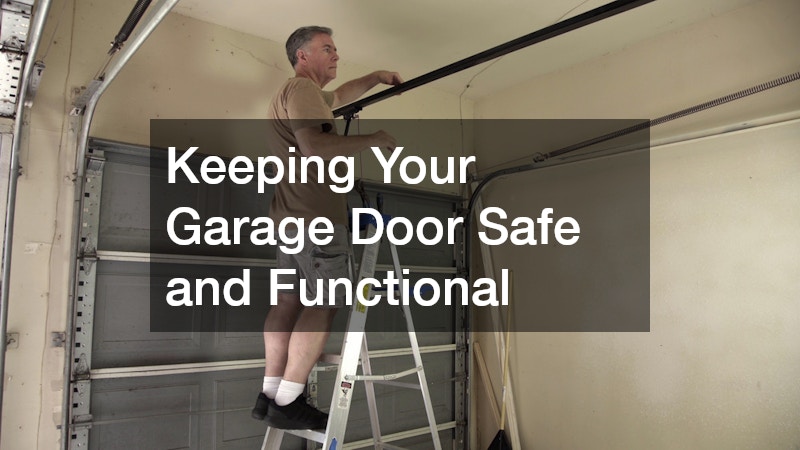
The garage door is one of the largest moving parts of your home, and it takes daily wear that most homeowners never think about until something breaks. A door that suddenly reverses, makes grinding noises, or moves unevenly is often signaling worn springs, frayed cables, or misaligned tracks. Ignoring these symptoms can lead to a door that jams shut, falls unexpectedly, or damages your vehicle.
Scheduling garage door repairs at the first sign of trouble is typically a modest expense compared to replacing an entire door system or repairing the damage caused by a failed spring. Lubricating moving parts, tightening loose hardware, and testing the auto-reverse safety feature are simple steps that extend the life of the system significantly. A well-maintained garage door also improves your home’s curb appeal and resale value.
- Loud grinding, popping, or squeaking during operation
- Door opening or closing unevenly
- Visible rust or fraying on springs and cables
- Slow response time when using the remote or wall switch
Maintaining Fences for Safety and Curb Appeal
A fence does more than mark property lines; it provides privacy, security, and safety for kids and pets. Wood fences can warp or rot at the base where they meet the soil, especially in areas with poor drainage or where mulch and soil are piled against the posts. Metal fences may develop rust at welds and joints, which can spread and weaken the structure long before it’s visible from a distance.
A simple twice-a-year inspection can catch these problems early. Walk the fence line in spring and fall, checking for wobbly posts, soft or spongy wood, flaking paint, or rust bubbling up through metal surfaces. Pressing a screwdriver into the base of a wood post is an easy way to test for hidden rot—if it sinks in easily, the post is likely compromised.
Left unchecked, a leaning or unstable fence can become a liability if it collapses onto a neighbor’s property, a parked car, or a passerby. Replacing a single rotted post typically costs far less than repairing fence sections damaged in a collapse or covering a liability claim. Simple upkeep—resealing wood every two to three years, touching up rust spots with primer, and keeping vegetation trimmed away from the fence line—can add years to its lifespan and help avoid costlier repairs down the road.
Reaching out to established fence companies for an annual inspection helps identify loose posts, damaged panels, and gate hardware that needs tightening before they become bigger repairs. A thorough inspection typically checks for leaning posts, rotting wood at ground level, rusted chain-link ties, and warped vinyl or wood panels that can worsen with seasonal temperature swings. Scheduling this checkup in early spring or fall, before extreme weather hits, gives you time to fix issues while materials and labor are easier to source.
Many fence companies also offer treatment options that protect wood from moisture and pests, extending the fence’s usable life by years. Sealants and water-repellent stains, typically reapplied every one to three years, guard against rot and warping, while pest treatments help prevent termite or carpenter ant damage that can silently weaken structural posts. For metal fencing, rust-inhibiting coatings can prevent corrosion from spreading along joints and hinges.
Addressing small repairs promptly is almost always less expensive than replacing entire sections after prolonged neglect. A single loose post or cracked panel might cost under a hundred dollars to fix, but ignoring it can lead to a domino effect where neighboring sections shift or collapse, driving repair costs into the thousands. Beyond the financial savings, a well-maintained fence also protects children, pets, and visitors from safety hazards while keeping your property’s curb appeal intact.
- Leaning or wobbling fence posts, often caused by rotted footings, loose concrete, or shifting soil after heavy rain
- Visible rot near the base of wood panels, where moisture collects and wood stays damp longest
- Rust spots on metal fencing or hardware, especially around screws, hinges, and joints exposed to weather
- Cracked or splintering pickets that can worsen with freeze-thaw cycles if left unsealed
- Gates that no longer latch securely, which can signal warped frames or sagging hinges
- Gaps or spacing changes between panels, a sign of ground movement or failing connectors
Recognizing Electrical Hazards Before They Escalate
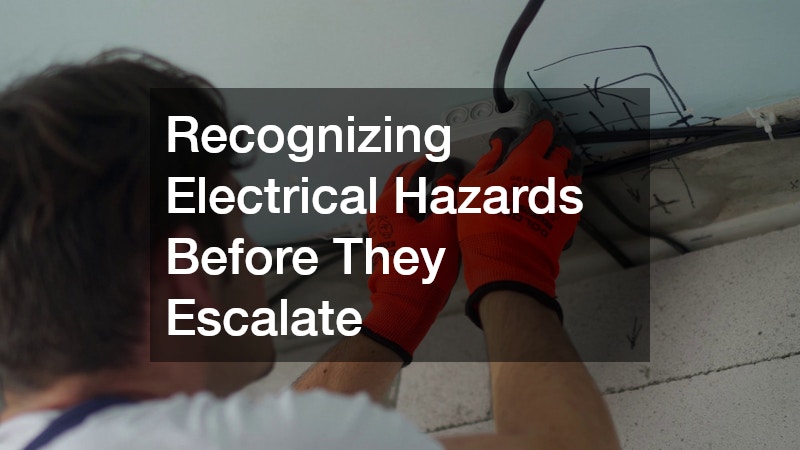
Electrical issues are uniquely dangerous because they can cause fires long before any visible damage appears. Flickering lights, warm outlets, or breakers that trip repeatedly are all signs that something in your system is working harder than it should. These symptoms often point to overloaded circuits, aging wiring, or loose connections that need professional attention.
Because the stakes involve both safety and cost, this is one area where calling licensed electrician services at the first sign of trouble is always the smarter choice over a do-it-yourself fix. A qualified electrician can trace the root cause, whether it is outdated wiring or a failing panel, and correct it before it leads to a fire or a full rewiring project. Routine electrical inspections are especially important in homes older than 20 years, where wiring standards may no longer meet current safety codes.
- Outlets or switch plates that feel warm to the touch
- Frequent tripped breakers or blown fuses
- Flickering or dimming lights without an obvious cause
- A persistent burning smell near outlets or the electrical panel
Preventing Costly HVAC Breakdowns
Heating and cooling systems are expensive to replace but relatively inexpensive to maintain, which makes routine care one of the best investments a homeowner can make. Dirty filters, clogged coils, and low refrigerant levels force your system to work harder, driving up energy bills while shortening the equipment’s lifespan. Many total system failures can be traced back to small issues that went unaddressed for months or even years.
Scheduling seasonal tune-ups with a reliable hvac company helps catch worn belts, failing capacitors, and refrigerant leaks long before they cause a complete breakdown in the middle of summer or winter. Technicians can also clean components that are difficult for homeowners to reach safely, improving efficiency and air quality at the same time. A well-maintained system typically lasts several years longer than one that only receives attention after it stops working.
- Unusual noises like grinding, rattling, or squealing
- Uneven heating or cooling throughout the home
- Rising energy bills without increased usage
- Weak airflow from vents
Choosing Durable Flooring to Avoid Future Repairs
Flooring choices affect not just appearance but long-term maintenance costs, especially in homes with kids, pets, or high foot traffic. Materials that trap moisture or scratch easily often require expensive refinishing or replacement within just a few years. Choosing the right product upfront can prevent a cycle of ongoing repairs that quietly drain your renovation budget.
Many homeowners are turning to luxury vinyl flooring because it resists water damage, scratches, and fading far better than traditional hardwood or laminate options. This makes it a practical choice for kitchens, bathrooms, and basements where moisture is a constant concern. Because it is also easier to install and repair in sections, it tends to reduce both upfront and future maintenance costs compared to more delicate flooring materials.
- Water resistance in high-moisture areas like kitchens and bathrooms
- Scratch and dent resistance for homes with pets or kids
- Lower long-term maintenance compared to hardwood
- Easier spot repairs without replacing entire floors
Maintaining Your Yard to Prevent Bigger Property Issues
Landscaping is often viewed as purely cosmetic, but an overgrown or poorly maintained yard can contribute to drainage problems, pest infestations, and even foundation issues over time. Tree roots growing too close to a home’s foundation or plumbing lines can cause cracks and blockages that are expensive to repair. Regular yard maintenance is one of the simplest ways to protect the investments you have already made in your home’s exterior.
Hiring professional lawn care services for regular mowing, aeration, and seasonal cleanup keeps grass healthy while also giving you an early look at drainage issues or pest activity you might otherwise miss. A well-kept lawn also improves curb appeal, which matters if you ever plan to sell your home. Consistent yard care prevents the kind of overgrowth that can hide larger problems, like foundation cracks or fence damage, until they become far more costly to fix.
- Standing water or soggy patches after normal rainfall
- Tree roots visibly lifting sidewalks or foundations
- Bare or dying patches signaling drainage or pest problems
- Overgrown shrubs touching siding or windows
Preventing major home repairs comes down to paying attention to small changes and acting on them before they escalate. Whether it is a roof, a fence, an electrical panel, or your flooring, most expensive problems start as minor issues that were simply overlooked. By staying observant and scheduling regular checkups with trusted professionals, you can protect both your home and your wallet for years to come. The next step is simple: walk through your property this week and start checking off the warning signs covered above.