

Most homeowners notice a problem only after it announces itself with a loud noise, a puddle, or a spike in their utility bill. But comfort, safety, and long-term value are quietly shaped by systems you rarely think about, from the air moving through your ducts to the ground settling under your patio. Ignoring these systems does not make them disappear; it just delays the cost and usually makes it larger. This article walks through the most commonly neglected home systems, what happens when they are overlooked, and how to catch small issues before they become expensive emergencies.
Aging Heating and Cooling Equipment
Your heating and cooling system works harder than almost anything else in your home, cycling on and off daily to keep temperatures steady regardless of the season. When filters go unchanged or annual tune-ups get skipped, the system loses efficiency long before it actually breaks down, which means you pay more to feel less comfortable. Many homeowners do not realize their energy bills are creeping up specifically because of a struggling unit until a professional inspection reveals worn components or refrigerant issues.
Bringing in a qualified HVAC company for a seasonal checkup is one of the simplest ways to catch inefficiencies before they turn into a full system failure. A technician can spot cracked heat exchangers, failing capacitors, or clogged coils that a homeowner would never notice during everyday use. Catching these issues early often costs a fraction of an emergency replacement in the middle of a heat wave or cold snap.
- Replace air filters every one to three months depending on usage and pets
- Schedule professional maintenance twice a year, ideally before summer and winter
- Listen for unusual rattling, squealing, or clicking sounds during operation
- Watch for uneven temperatures between rooms as an early warning sign
Roof Damage That Starts Small
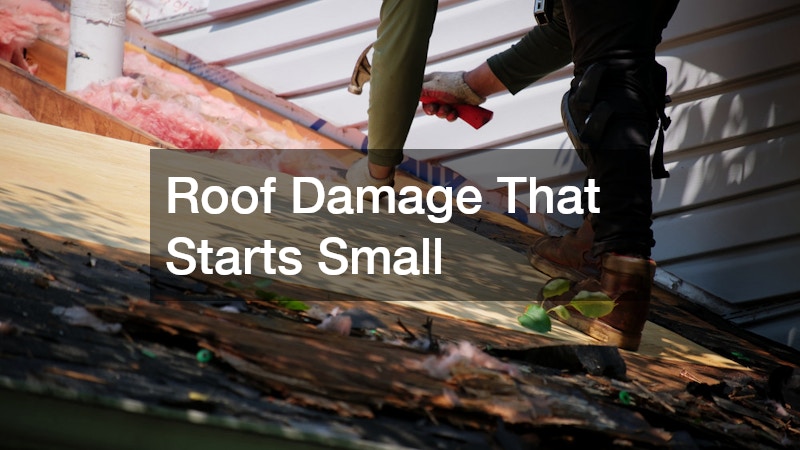
A roof rarely fails all at once; it usually starts with a single lifted shingle, a small area of granule loss, or a minor leak around a vent pipe. Left alone, these small issues let moisture seep into the decking below, which can lead to rot, mold, and even structural sagging over time. By the time water stains appear on your ceiling, the damage has often been developing for months.
Scheduling local roof repair as soon as you notice a problem is far cheaper than waiting for a full replacement. A local contractor understands the specific weather patterns, building codes, and common wear points for roofs in your area, which means repairs are more likely to be done right the first time. Regular inspections, especially after major storms, can extend the life of your roof by years.
- Check for missing, curling, or cracked shingles after storms
- Inspect flashing around chimneys and vents for gaps
- Look for daylight through the attic roof boards
- Clear debris from valleys and gutters to prevent water pooling
Septic System Backups and Overflows
If your home relies on a private waste system rather than municipal sewer lines, that system needs regular attention or it will eventually let you know in the worst possible way. A septic tank that goes years without pumping or inspection can become overloaded with solid waste, leading to slow drains, foul odors, or complete backups into your home. These failures are messy, expensive, and sometimes require excavation to fully resolve.
Most systems need pumping every three to five years depending on household size and usage, though this can vary based on tank capacity and water consumption habits. Simple changes, like avoiding flushing wipes or excessive grease down the drain, can meaningfully extend the time between service calls. Paying attention to slow drainage or unusual smells in your yard is often the earliest and cheapest warning sign available to you.
- Have the tank inspected and pumped on a regular schedule
- Avoid planting trees with aggressive roots near the drain field
- Space out heavy laundry loads to prevent overwhelming the system
- Never pour cooking grease or harsh chemicals down household drains
Cracked Driveways and Uneven Walkways
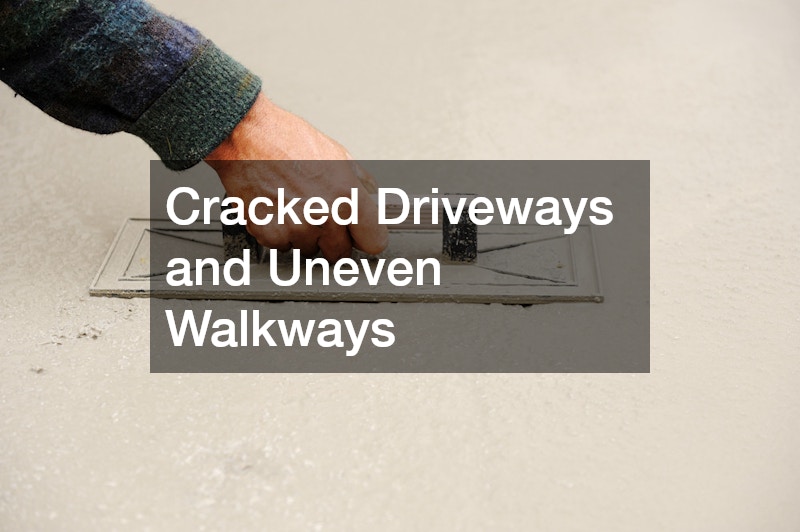
The surfaces around your home take a beating from weather, vehicle weight, and years of freeze-thaw cycles, yet they rarely get inspected the way indoor systems do. Small cracks in a driveway might seem cosmetic, but water seeping into them can freeze, expand, and turn a hairline crack into a major structural problem within a single winter. Left unaddressed, this deterioration can also create tripping hazards and reduce your property’s curb appeal.
Fresh asphalt paving done correctly with proper grading and drainage can last well over a decade with minimal maintenance. Sealing the surface every few years protects it from UV damage and moisture penetration, which are the two biggest contributors to premature cracking. Addressing small repairs quickly is almost always less expensive than a full repave later on.
- Seal coat asphalt surfaces every two to three years
- Fill small cracks before they widen during winter freezes
- Ensure water drains away from the surface rather than pooling
- Watch for soft or sunken spots that indicate base failure below
Outdoor Living Spaces That Show Their Age
Outdoor spaces are often treated as purely cosmetic, but a poorly maintained patio or deteriorating hardscape can actually affect drainage around your home’s foundation. Cracked pavers, shifting stones, and settling ground are usually signs of an unstable base rather than just wear and tear. If ignored, this instability can eventually contribute to water pooling near your foundation walls.
A professional patio installation done with proper base preparation, compacted gravel, and correct slope will resist shifting far better than a quick DIY job. Investing in quality materials and grading upfront saves homeowners from having to redo the entire space within a few years. A well-built patio should shed water away from the house and remain stable through seasonal ground movement.
- Check for uneven or sunken pavers each spring
- Confirm the surface slopes away from your home’s foundation
- Reapply polymeric sand between pavers as needed
- Address weed growth in joints before it widens gaps
Sloped Yards and Soil Erosion
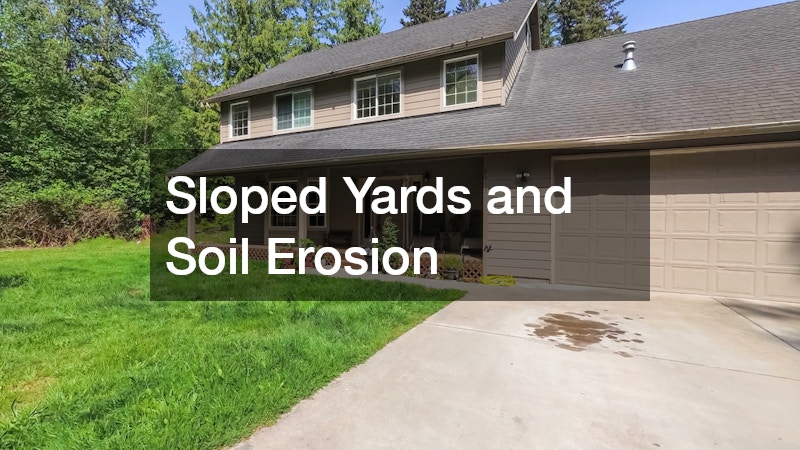
Many properties, especially those built on hills or uneven lots, rely on structural support to keep soil in place and prevent erosion from washing sediment toward the home. When these structures are neglected or absent entirely, heavy rain can gradually erode soil, undermine walkways, and even threaten a home’s foundation over time. This kind of damage often develops slowly, making it easy to overlook until a section of yard visibly slumps or shifts.
Well-built landscaping retaining walls do more than improve the appearance of a sloped yard; they manage water flow and prevent soil from migrating where it should not. Proper drainage behind the wall is just as important as the materials used to build it, since trapped water is a leading cause of wall failure. Homeowners with sloped properties should have these structures inspected periodically, particularly after unusually wet seasons.
- Look for bulging, leaning, or cracked wall sections
- Ensure weep holes remain clear for proper drainage
- Watch for pooling water at the base of slopes
- Replant erosion-prone areas with deep-rooted ground cover
Outdated Bathrooms and Safety Risks
Bathrooms tend to be one of the most overlooked spaces in a home simply because they still technically function, even when fixtures are decades old. An aging bathtub can become slippery, difficult to access, and increasingly impractical for households with older adults or anyone with mobility concerns. Beyond safety, outdated fixtures often waste water and lack the efficient designs available today.
A bathtub to shower renovation is one of the most requested updates for homeowners looking to age in place or simply modernize a tired space. Walk-in showers with built-in seating, grab bars, and slip-resistant flooring dramatically reduce fall risk while also making the bathroom feel more spacious. This kind of upgrade also tends to offer a strong return when it comes time to sell the home.
- Add grab bars near entry points and seating areas
- Choose slip-resistant flooring designed for wet environments
- Consider a curbless entry for easier accessibility
- Update lighting to improve visibility in the space
Poor Insulation and Wasted Energy
Insulation is one of the least visible parts of a home, tucked behind walls and above ceilings, which makes it easy to forget about entirely. Unlike a broken appliance or a leaky faucet, poor insulation doesn’t announce itself with an obvious malfunction. Instead, it quietly compromises comfort and efficiency for years before homeowners think to investigate. Gaps, settling, or outdated materials allow conditioned air to escape, forcing your heating and cooling equipment to work harder than necessary. The U.S. Department of Energy estimates that proper insulation and air sealing can cut heating and cooling costs by up to 15 percent, which adds up significantly over a year of continuous use. Older homes are especially vulnerable, since insulation installed decades ago often falls well short of today’s recommended R-values for attics, walls, and floors. This not only raises utility bills but also creates uncomfortable temperature swings between rooms and floors. You might notice an upstairs bedroom that’s stubbornly warm in summer, or a living room that never quite feels as cozy as the rest of the house in winter. These inconsistencies are often blamed on the HVAC system itself, when the real culprit is insulation that’s compressed, moisture-damaged, or simply missing in key areas like rim joists and attic hatches.
Many homeowners don’t realize how much comfort—and money—slips away through poorly insulated attics, walls, and crawl spaces. The Department of Energy estimates that inadequate insulation and air leaks can account for 25-30% of a home’s heating and cooling energy loss, which shows up as uneven room temperatures, drafty floors, and HVAC systems that run far longer than they should. Professional insulation services can assess these weak points using tools like thermal imaging cameras and blower door tests to pinpoint exactly where heat is escaping, rather than relying on guesswork. These assessments often reveal problem areas homeowners would never think to check, like gaps around recessed lighting, attic hatches, or where plumbing and wiring penetrate exterior walls. Upgrading insulation is often one of the most cost-effective improvements a homeowner can make, frequently paying for itself through reduced energy costs within a few years. Materials like blown-in cellulose, fiberglass batts, and spray foam each offer different R-values and price points, so a professional recommendation can help match the right solution to your climate and budget. Combined with proper sealing around windows and doors, updated insulation keeps your home noticeably more comfortable year-round. Small upfront investments in weatherstripping and caulking, paired with insulation upgrades, can meaningfully reduce the strain on your heating and cooling systems and extend their lifespan.
- Check attic insulation depth against recommended levels for your climate (most cold-climate homes need R-49 to R-60, roughly 14-17 inches of blown-in fiberglass or cellulose)
- Look for telltale signs of insufficient insulation, like ice dams on the roofline or uneven snow melt patterns
- Seal gaps around pipes, wiring, and ductwork using caulk, foam sealant, or weatherstripping, since these penetrations are common sources of hidden air leaks
- Address drafty windows and doors alongside insulation upgrades — a simple candle or incense test near frames can reveal airflow you can’t feel by hand
- Consider spray foam for hard-to-reach or irregular spaces like rim joists, knee walls, and around recessed lighting
- Factor in the payback timeline: many insulation upgrades pay for themselves in energy savings within 2-5 years
- Don’t overlook ductwork insulation in unconditioned spaces like attics or crawlspaces, where uninsulated ducts can lose 20-30% of heating and cooling energy
The systems that keep a home comfortable rarely fail without warning; they simply get ignored until the warning becomes impossible to miss. Taking a proactive approach, whether that means scheduling routine inspections or addressing small repairs as they appear, protects both your comfort and your budget over the long run. Start by walking through your own home with this list in hand and identifying which system has been overlooked the longest. Addressing even one of these areas this year can prevent a far more expensive and disruptive problem down the road.