

Buying a house is undoubtedly one of the most significant financial steps a person will ever take in their adult life. The excitement of touring open houses, imagining furniture layouts, and planning paint colors can easily sweep eager buyers off their feet without a second thought. However, beneath a fresh coat of paint or behind beautifully staged rooms, severe structural and mechanical defects can easily lurk out of sight. Skipping a thorough evaluation or ignoring subtle warning signs can quickly turn a dream property into a financial nightmare that drains your savings rapidly. Every single decision made during this initial contract stage can have massive long-term consequences for your personal finances.
Smart buyers understand that the true value of a house is always found in its structural integrity and core mechanical systems. A beautiful kitchen cannot compensate for a crumbling base or a failing roof envelope. Therefore, maintaining an objective, analytical eye during walkthroughs is absolutely vital for long-term protection. This guide outlines ten major warning signs that require careful attention before anyone signs the final closing documents. Recognizing these critical issues early allows buyers to negotiate repairs, adjust their offers, or walk away entirely. Let us explore the critical problem areas every prospective homeowner must check to ensure a safe investment.
1. Sagging or Damaged Roof Lines
The top cover of a residential property serves as the primary shield against harsh weather elements and moisture penetration. When evaluating a potential purchase, buyers should step back and closely examine the entire roof line for straightness. Sagging sections, missing shingles, or curling edges indicate that the material is rapidly approaching the end of its functional lifespan. Water penetration from an old or poorly installed roof can quietly destroy structural wood decking, ruin insulation, and damage interior ceilings over time. Home buyers should never skip a thorough visual inspection of the outer roofing components during their initial property walkthrough.
Fixing these extensive issues after moving in can completely drain a buyer’s savings account within the very first year of occupancy. If the visual signs suggest long-term neglect, it is wise to consult professional roofing contractors to get an accurate assessment of the remaining lifespan and potential replacement expenses. A certified expert can identify whether a simple patch job will suffice or if a complete replacement is required. Buyers can then use this detailed assessment as powerful leverage during final price negotiations with the seller to avoid taking on a massive unexpected expense down the road.
2. Structural Cracks and Uneven Flooring
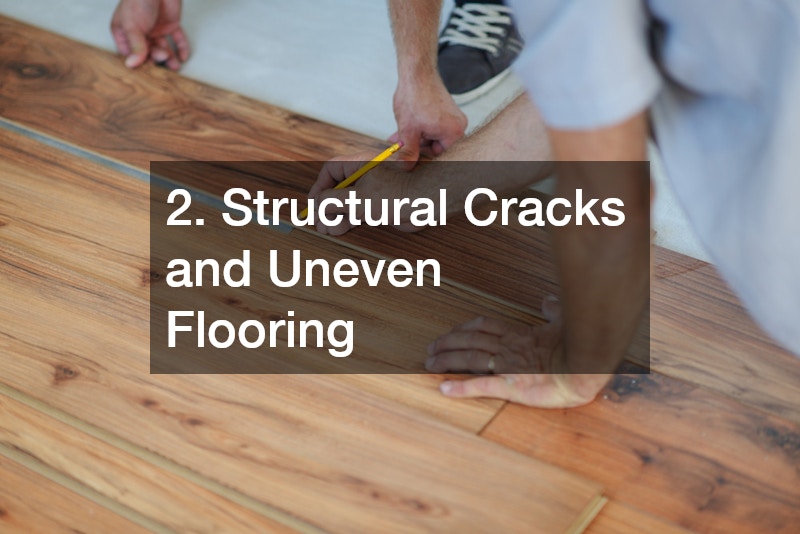
A house is only as stable and secure as the solid base upon which it rests. Prospective buyers must inspect both the interior drywall and exterior concrete walls for significant cracks, especially those running diagonally or measuring wider than a quarter of an inch. Sticky doors that refuse to close properly, jammed windows, and visibly sloped floors are also common indicators that a structure has shifted unevenly over time. Paying close attention to the structural integrity of the lower levels is paramount for any long-term real estate investment strategy.
Chronic soil movement, poor exterior drainage, or inadequate initial construction techniques can cause severe structural failures that cost tens of thousands of dollars to rectify completely. When these alarming warning signs appear during a walkthrough, securing an evaluation from a team that specializes in structural foundation services becomes absolutely non-negotiable. These specialized experts use precise diagnostic equipment to measure floor levels and determine the exact depth and severity of any structural shifting. Knowing the true condition of the base helps buyers avoid problematic properties that might require invasive underpinning, hydraulic pier installation, or extensive slab stabilization in the near future.
3. Chronic Plumbing Issues and Low Pressure
Clean, functional water delivery and waste systems are absolutely essential for daily comfort and sanitation in any modern home. Prospective buyers should test the water pressure thoroughly by turning on multiple faucets simultaneously and flushing all the toilets in the house. A sudden, noticeable drop in water flow or discolored water rushing from the taps indicates deep pipe corrosion, mineral buildup, or systemic main line clogs.
Furthermore, checking the basement, utility rooms, or crawlspace for active leaks, damp spots, or the faint smell of sewage is critical. Addressing widespread pipe degradation often requires ripping through finished drywall and flooring, which rapidly escalates repair bills into thousands of dollars. Engaging a licensed plumber to perform a thorough camera inspection of the main sewer line can reveal hidden tree root intrusions, cracked lines, or collapsed pipes before closing. This simple, affordable diagnostic step ensures that buyers will not face unexpected sewage backups or catastrophic pipe bursts during their very first week of occupancy in the new home.
4. Outdated or Failing Water Heating Systems
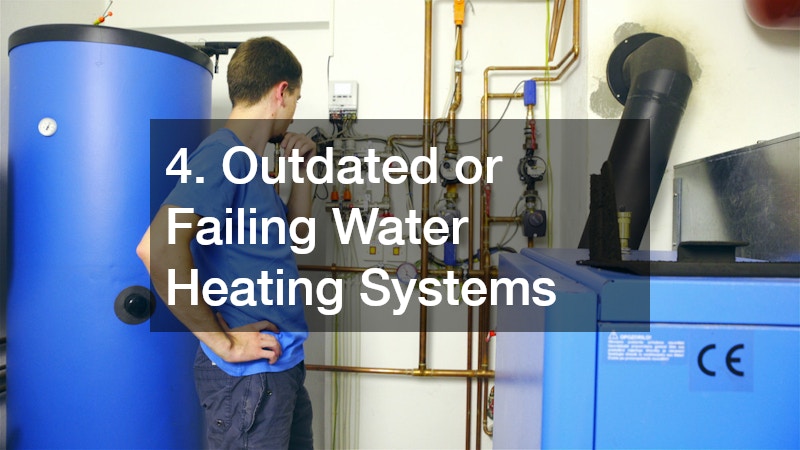
An appliance that is frequently overlooked during casual home tours is the primary water heating unit hidden away in a utility closet or basement. Buyers need to check the manufacturing date sticker on the side of the tank to determine its exact age and remaining utility. Most conventional water heaters only function efficiently for ten to twelve years before rust and mineral scale cause them to fail completely or burst without warning.
Signs of visible rust around the base, slow heating times, or strange rumbling noises during operation mean a costly replacement is imminent. Many modern property owners choose to upgrade these aging systems by investing in an energy-efficient tankless water heater to secure continuous hot water and lower monthly utility bills significantly.
Calculating the true cost of this conversion ahead of time allows buyers to request financial concessions from the current homeowners before finalizing the transaction.
5. Inefficient or Faulty HVAC Units
Indoor climate control systems directly impact both daily comfort and monthly energy expenditures for the household. Buyers must ask for the written maintenance history of the furnace and cooling units to verify consistent upkeep by the previous owners. Testing the system involves turning on both the heating and cooling modes to check for unusual rattling noises, weak airflow, or strange odors coming from the vents.
An old, inefficient system that struggles to reach the desired temperature will inevitably lead to expensive emergency service calls when extreme weather hits. Consulting a reputable local AC repair company during the due diligence period can provide clarity on the actual condition of the compressors, blowers, and coils. The technician can determine if the system merely needs a routine refrigerant charge or if the entire unit is on the verge of total mechanical collapse, saving the buyer from unexpected summer heat waves or freezing winter nights.
6. Hidden Moisture and Ventilation Failures
The highest, most isolated spaces in a home often hold the most revealing clues about the property’s overall structural health. Buyers should grab a dependable flashlight and carefully inspect the upper rafters, roof decks, and insulation layers for signs of moisture retention or wood rot. Inadequate attic ventilation combined with minor roof leaks creates the perfect environment for dangerous biological growth to thrive undetected.
Discovering extensive attic mold is a major red flag because it indicates poor air circulation and can trigger severe respiratory issues for future occupants. Remediation requires specialized cleaning processes, professional containment, and structural fixes to eliminate the moisture source permanently. Identifying this issue before closing ensures that the current owners bear the financial burden of hiring certified remediation professionals to safely clean the space, replace damaged insulation, and correct the underlying ventilation flaws before ownership transfers to the buyer.
7. Active Pest Infestations and Structural Damage
Wood-destroying insects, rodents, and other pests can silently compromise the safety and structural integrity of a residential building without anyone noticing from the outside. During a walkthrough, buyers must look closely for subtle signs of active pest activity, such as small piles of sawdust near woodwork, hollow-sounding wood beams, mud tubes, or tiny droppings along the baseboards.
Termites and carpenter ants can chew through structural wood framing for years before the extensive damage becomes visibly obvious on the exterior finishes. Dealing with an established colony requires immediate professional intervention to prevent permanent structural weakness and costly repairs. Hiring a certified exterminator to conduct a dedicated, comprehensive pest inspection is the most effective way to ensure the home is completely clear of destructive invaders. The resulting official report provides a detailed breakdown of active infestations and outlines the precise treatments needed to protect the property moving forward.
8. Poorly Executed DIY Renovations

While updated washrooms are always a major selling point for any residential property, poorly executed cosmetic updates can mask serious underlying structural and plumbing problems. Buyers should look very closely at the tile work, grout lines, and flooring surrounding the tub, shower, and toilet areas. Soft spots in the flooring or loose, cracked tiles often point to long-term subfloor water damage caused by improper waterproofing techniques during installation.
Sellers sometimes attempt a cheap cosmetic cover-up rather than investing in a proper, high-quality bathroom remodeling project handled by licensed professionals. If the plumbing fixtures are leaking or the surrounding walls feel slightly spongy to the touch, the entire space may need to be completely gutted down to the structural studs to fix hidden wood rot. Spotting these subtle signs early prevents buyers from paying a premium for a freshly flipped home that actually requires immediate, expensive reconstruction work.
9. Hazardous or Overgrown Trees
The external landscape plays a massive role in the safety, liability, and long-term maintenance costs of a residential property. Mature trees add incredible aesthetic beauty and shade to a yard, but dead, dying, or improperly positioned trees pose significant hazards to the home’s structure. Large limbs hanging directly over the roof line can cause massive structural damage during high winds, summer storms, or severe winter ice events.
Furthermore, aggressive underground root systems can grow deep into the soil, cracking the foundation walls or disrupting the main underground utility lines. If a preliminary inspection reveals a large, hollow tree leaning precariously toward the house, calling an experienced tree removal company is essential to evaluate the overall risk level. Removing a massive tree safely is a highly technical task that requires heavy machinery, insurance, and specialized labor, making it an expense that buyers should negotiate beforehand to protect their financial interests.
10. Severe Soil Erosion and Dead Lawns
The grading and general condition of the soil surrounding a residential structure dictate how rainwater flows around the home’s base. Sloping ground that tilts toward the foundation rather than away from it can cause severe basement flooding, crawlspace moisture, and soil erosion over time. A completely barren yard stripped of healthy vegetation allows heavy rains to wash away essential topsoil, destabilizing walkways, patios, and driveways.
- Improper Grading: Directs dangerous stormwater runoff directly toward the basement walls.
- Topsoil Depletion: Strips away nutrients and creates deep, muddy trenches along paths.
- Foundation Exposure: Weakens the structural perimeter by washing away supportive dirt.
Homeowners can resolve these severe erosion issues and re-establish a healthy, deep root network by hiring a professional hydroseeding company to apply a specialized mixture of seed, mulch, tackifiers, and fertilizer. This advanced process quickly binds the loose soil together and establishes a lush, sustainable lawn that protects the surrounding landscape from future washouts. Recognizing the need for extensive soil stabilization allows buyers to calculate the true cost of restoring the property’s exterior environment before making a final offer to the seller.
Protecting Your Future Investment
Navigating the complex path to homeownership requires a balanced combination of optimism and cautious realism. While it is incredibly easy to fall in love with a property’s visual charm, trendy fixtures, and staging, the physical realities beneath the surface ultimately determine its long-term affordability and safety. By systematically evaluating these ten critical warning signs during the buying process, prospective homeowners can protect themselves from entering into a disastrous financial arrangement that causes unnecessary stress.
Investing in comprehensive professional home inspections provides the objective data needed to make informed decisions and negotiate fair repair credits or price reductions with sellers who are eager to close. Remember that walking away from a heavily compromised property is always preferable to inheriting a lifetime of stressful, budget-draining repairs. A home should always serve as a safe sanctuary and a solid financial investment for the future, not a source of endless anxiety and unexpected debt. With the right knowledge and a firm commitment to thorough due diligence, buyers can confidently close the deal on a house that will truly stand the test of time for generations to come.