
Your home is much more than a collection of walls and a roof; it is an environment that actively shapes your daily experience. While standard builder-grade finishes provide basic functionality, they often fall short of delivering that elusive, high-end ambiance found in boutique hotels or luxury estates. Achieving a premium feel is rarely about expanding the square footage of your property. Instead, it is about curating the sensory details: the way a door feels when it closes, the seamless visual flow from one room to the next, the tactile warmth of a floor beneath your feet, and the precise way light interacts with your living space.
Moving a home from basic to bespoke requires shifting your focus from generic, off-the-shelf solutions to intentional, architectural enhancements. Builder-grade homes are designed for mass appeal and cost-efficiency, often resulting in visual clutter—visible appliance logos, abrupt flooring transitions, and harsh overhead lighting. True luxury design focuses on concealment, integration, and high-quality materials. It hides the utilitarian aspects of life while highlighting beautiful, durable surfaces and customized comforts.
This comprehensive guide will walk you through the most impactful upgrades you can make to elevate your property. By focusing on high-traffic utility zones, foundational materials, flawless surface finishes, natural light optimization, and resort-style outdoor living, you can meticulously craft an environment that feels both profoundly comfortable and unmistakably luxurious. We will explore the technical specifications, design philosophies, and practical steps required to completely transform your living space.
Elevating High-Traffic Utility Zones into Retreats

Install Hidden Appliances and Waterfall Edges for a Seamless Culinary Space
The culinary space is the beating heart of modern home life, but it is also inherently utilitarian, packed with heavy machinery, storage systems, and prep surfaces. To achieve a high-end, architectural look, the goal is to integrate these machines so completely that the room feels like an elegant living space rather than a commercial prep zone. The most effective way to accomplish this is through panel-ready appliances. Instead of a massive stainless-steel refrigerator dominating the sightline, the appliance is outfitted with custom cabinetry panels that perfectly match the surrounding millwork. This allows the refrigerator, dishwasher, and even under-counter wine coolers to disappear entirely into the cabinetry layout.
A truly seamless design also requires sophisticated countertop architecture. Standard countertops stop at the edge of the lower cabinets, but luxury designs often employ a waterfall edge. This technique involves taking the horizontal countertop material—typically a high-end quartz, quartzite, or natural marble—and continuing it vertically down the sides of the island or peninsula until it meets the floor. This creates a striking, monolithic focal point that anchors the room.
-
Appliance Garages: To maintain clean countertops, integrate an appliance garage. This is a dedicated cabinet that sits directly on the counter with a pocket or tambour door, allowing you to hide blenders, toasters, and coffee makers while keeping them plugged in and accessible.
-
Flush Inset Installation: High-end appliances should not protrude past the cabinet faces. Specify flush-inset installation to ensure the front of your panel-ready appliances sits perfectly coplanar with your cabinet doors.
-
Mitered Edges: For a thicker, more substantial look on your countertops without the extreme weight of a solid stone slab, utilize a mitered edge. The fabricator cuts the stone at a 45-degree angle and joins a vertical piece to the front, creating the illusion of a massive, three-inch-thick slab.
Executing these level of details requires precision engineering. The structural load-bearing requirements for heavy stone waterfall edges and the precise cabinet depths required for flush-inset appliances mean that complex kitchen remodeling projects should be overseen by professionals who specialize in custom millwork and high-end installations.
Upgrade to Spa-Like Fixtures and Radiant Floor Heating
Private washrooms offer the highest return on investment when it comes to upgrading your daily sensory experience. Standard fiberglass drop-in tubs and low-flow wall showerheads immediately date a property. To create a five-star resort atmosphere, you must strip away the utilitarian basics and introduce elements focused entirely on relaxation and physical comfort.
The focal point of a luxury washroom is often a freestanding soaking tub. Constructed from heat-retaining materials like solid surface resin or cast iron, these tubs act as sculptural art pieces. Paired with a floor-mounted tub filler, they instantly elevate the visual pedigree of the room. In the shower, upgrading from a standard stall to a massive, glass-enclosed, curbless wet room dramatically opens the space. Install a ceiling-mounted rain shower system paired with wall-mounted body jets and a handheld wand on a slide bar to provide a fully customizable aquatic experience.
-
Radiant Floor Heating: Nothing shatters the illusion of luxury faster than stepping out of a warm shower onto freezing tile. Installing an electric radiant heating mat (such as the Schluter-Ditra-Heat system) directly beneath your floor tiles provides steady, ambient warmth.
-
Aromatherapy and Chromotherapy: Advanced shower systems now integrate colored LED lighting (chromotherapy) and essential oil diffusers into the showerhead, allowing you to control the mood and scent of the steam environment via a digital keypad.
-
Floating Vanities: Wall-mounted vanities create a sense of expansive space by exposing the floor beneath them. When equipped with under-cabinet LED strip lighting, they appear to float effortlessly.
Because these upgrades require moving plumbing lines, reinforcing floor joists to hold heavy resin tubs, and installing dedicated electrical circuits for heating elements, coordinating comprehensive bathroom renovations is essential. A professional team ensures that critical waterproofing membranes are correctly installed, preventing disastrous moisture damage within the walls.
Transforming the Foundation with Premium Materials

Select Wide-Plank Waterproof Materials for Uninterrupted Visual Flow
Flooring serves as the visual anchor of your entire home. Narrow, shiny, or heavily patterned floors make spaces feel busy, small, and dated. The hallmark of contemporary luxury is an expansive, uninterrupted visual flow. Wide-plank flooring is the undisputed standard for high-end interiors. By utilizing planks that are seven to nine inches wide, you drastically reduce the number of visual seams across the room, which tricks the eye into perceiving the space as significantly larger and more open than it actually is.
While solid hardwood has long been the traditional choice, material science has introduced incredibly sophisticated alternatives that offer the aesthetic of wood without the maintenance liabilities. Premium luxury vinyl flooring has evolved to the point where it is virtually indistinguishable from European white oak or hickory. Top-tier options feature Embossed in Register (EIR) technology, where the physical texture of the plank perfectly matches the printed wood grain beneath it. You can feel the knots and grain variations exactly where your eye sees them.
-
Core Construction: Look for Stone Polymer Composite (SPC) or Wood Polymer Composite (WPC) cores. These make the planks completely impervious to water, meaning you can confidently run the exact same beautiful flooring through your entryways, kitchens, and powder rooms without fear of warping.
-
Wear Layer Thickness: True premium planks feature a commercial-grade wear layer (20-mil or thicker) coated with aluminum oxide, rendering them highly resistant to dog scratches, high heels, and dropped objects.
-
Micro-Beveled Edges: Standard planks often have flush edges that look artificial. Premium planks feature painted micro-bevels on the edges, which creates a subtle, realistic shadow line between each board, mimicking the look of custom-milled hardwood.
To maximize the luxury aesthetic, this flooring must be installed continuously. Avoid using T-moldings or transition strips between doorways. A single, seamless floor stretching from the front door through the living spaces and into the kitchen creates a sprawling, gallery-like feel.
Source High-Pile, Custom-Cut Textiles for Bedrooms and Studies
While hard surfaces are ideal for communal areas, private retreats like primary bedrooms, walk-in closets, and home theaters demand a different sensory experience. In these spaces, acoustic dampening and tactile softness are the ultimate luxuries. High-pile, premium textiles absorb ambient noise, reduce echo, and provide an incredibly soft landing for bare feet.
The quality of a textile floor covering is dictated by its fiber makeup, face weight, and twist level. Builder-grade carpets are typically made of cheap polyester that mats down quickly under foot traffic and traps oily stains. Luxury textiles, however, utilize vastly superior materials. New Zealand wool is the gold standard for natural fibers, offering unparalleled softness, natural flame resistance, and a matte, elegant finish. If synthetic durability is required, Solution-Dyed Nylon (SDN) is the premium choice; because the color goes all the way through the fiber (like a carrot, rather than being painted on the outside like a radish), it is highly resistant to fading and bleaching.
-
Evaluating Face Weight: Face weight refers to the amount of fiber per square yard. For a truly plush feel, look for textiles with a face weight of 60 ounces or higher.
-
Upgrading the Padding: A luxury feel is highly dependent on what lies beneath the surface. Upgrading to an 8-pound high-density memory foam or natural rubber pad will make even a mid-range fiber feel incredibly rich and supportive.
-
Custom Area Rugs: If you prefer hard floors in the bedroom but want the softness of premium textiles, purchase broadloom fabric and have it custom-bound at the edges. This allows you to create a massive area rug precisely tailored to the dimensions of your room.
To source these specialized materials, you must bypass the big-box home improvement retailers. Visiting a dedicated, specialized carpet flooring store allows you to interact with high-end brands and consult with textile experts who understand how different fibers perform under specific lighting and traffic conditions.
Curating Flawless Surfaces and Color Palettes
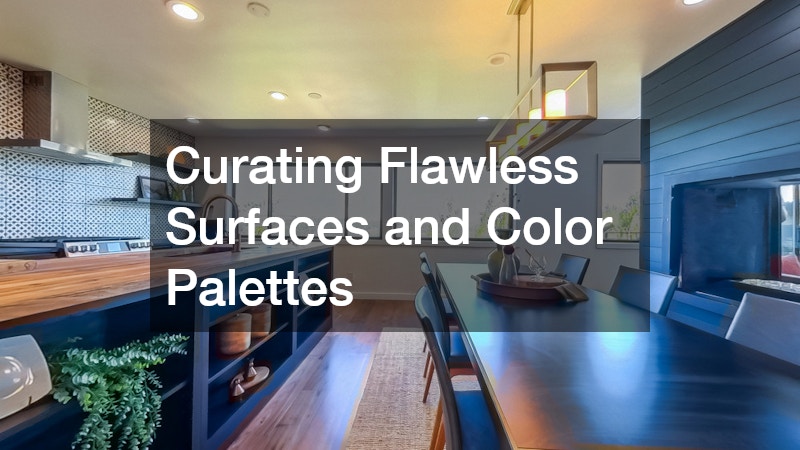
Apply Monochromatic and Saturated Hues for Architectural Depth
Color is one of the most powerful psychological tools in interior design, yet it is often the most poorly executed. The standard approach of painting walls beige, ceilings flat white, and trim semi-gloss white visually chops a room into distinct horizontal blocks, reducing the perceived ceiling height and drawing attention to every angled corner. To achieve a high-end, bespoke aesthetic, designers are turning to a sophisticated technique known as “color drenching.”
Color drenching involves taking a single, carefully selected hue and applying it to the walls, the baseboards, the crown molding, the interior doors, and occasionally even the ceiling. This monochromatic approach erases visual boundaries, making the edges of the room recede. It creates a cohesive, jewel-box effect that feels incredibly intentional and custom. When using deep, saturated colors like charcoal, navy, or forest green, the room instantly gains architectural depth and a moody, refined atmosphere.
-
Mastering Sheen Strategy: While the color remains the same, the sheen must vary. Apply a flat or matte finish to the walls to absorb light and hide imperfections, a satin finish to the trim and doors for subtle contrast and durability, and a flat finish to the ceiling.
-
Level 5 Drywall Finish: Dark and highly saturated colors reflect light differently than pale shades, exposing every tiny bump, seam, and nail pop in the drywall. A luxury wall requires a Level 5 finish, where a skim coat of joint compound is applied over the entire wall surface to create a perfectly smooth, glass-like substrate.
-
Testing Light Reflectance Values (LRV): Always test large swatches on multiple walls. A color’s LRV dictates how much light it bounces back into the room. A shade that looks rich and elegant in a brightly lit showroom may look like a black hole in a north-facing living room.
Because color drenching highlights the texture of the walls and requires perfectly sharp cut-in lines between varying sheens, flawless execution is mandatory. This level of precision requires the steady hand and extensive preparation work of professional interior painting crews who understand how to properly prep, prime, and coat complex architectural millwork without leaving brush strokes or roller marks.
Revive High-End Textiles with Specialized Extraction Techniques
Investing in premium textiles, heavy drapes, and high-pile rugs is only the first step; maintaining their original luster is what preserves the luxury feel of your home over time. Nothing degrades the aesthetic of a beautiful space faster than traffic lanes—those dark, matted paths that form in hallways and at the foot of the bed. Even if you vacuum regularly, microscopic soil, silica, and body oils inevitably work their way deep into the base of the fibers.
Dirt at the microscopic level acts like jagged pieces of glass. Every time you walk across a soiled rug, those sharp particles grind against the textile fibers, permanently scratching and dulling their finish. This is why high-end floor coverings eventually lose their sheen and look “flat,” even if no visible spills have occurred. Restoring the pile and vibrancy requires physical chemistry.
-
The Problem with Rental Machines: Do-it-yourself rental machines are detrimental to high-end textiles. They lack the vacuum power to extract the water they put down, leaving the padding soaking wet (which breeds mildew). Worse, they leave a sticky, alkaline soap residue behind that acts as a magnet for future dirt, causing the material to re-soil faster than before.
-
Hot Water Extraction: The gold standard for maintenance is hot water extraction (often incorrectly called steam cleaning). This process involves applying a pH-balanced pre-conditioner to break down embedded oils, followed by blasting water heated to over 200 degrees Fahrenheit deep into the pile.
-
Truck-Mounted Power: To instantly extract that water, immense vacuum suction is required, pulling the moisture, suspended dirt, and allergens entirely out of the house.
To protect the warranty and structural integrity of expensive wools and nylons, you must schedule maintenance every 12 to 18 months with certified carpet cleaning services. These technicians use specialized, truck-mounted equipment and understand the distinct chemical profiles required to treat natural versus synthetic fibers safely.
Optimizing Natural Light and Privacy
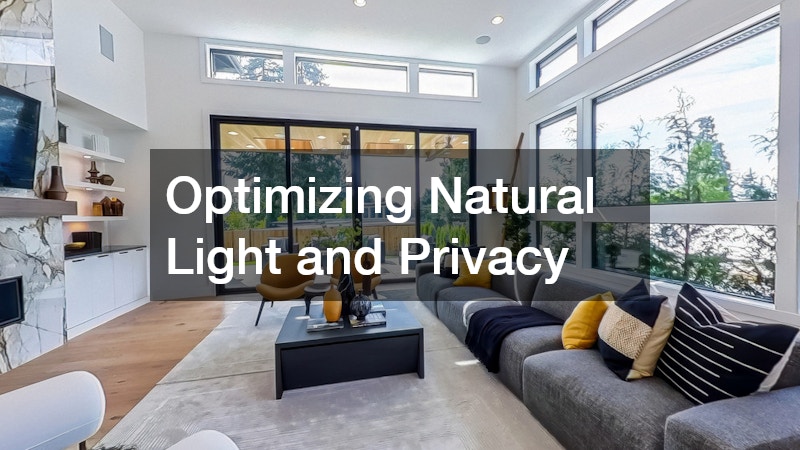
Swap Out Dated Frames for Floor-to-Ceiling Architectural Glass
Natural light is the ultimate luxury amenity. It dictates the mood of a space, highlights architectural details, and makes interior colors vibrant. However, dated, builder-grade sashes—particularly those with heavy, faux grids (mullions) or thick vinyl frames—obstruct sightlines and trap a home in the past. To immediately modernize an elevation and blur the boundary between indoor living and outdoor scenery, you must reconsider your home’s fenestration.
The contemporary luxury standard involves maximizing glass real estate. Replacing standard double-hung units with massive, uninterrupted panes of picture glass, or expansive multi-slide glass walls, completely transforms the feeling of a room. By extending the glass from the floor all the way to the ceiling, you draw the eye outward, effectively incorporating your landscaping into your interior design.
-
Frame Materials: Standard white vinyl frames can look cheap and bulky. Premium upgrades utilize thermally broken aluminum, architectural fiberglass, or steel-look frames. These materials possess immense structural strength, allowing for incredibly narrow frame profiles (sightlines) that maximize the glass area. Matte black or bronze frames create a striking, modern contrast against light-colored walls.
-
Energy Efficiency: Massive glass requires advanced thermal technology. Ensure the glass is double or triple-paned with argon or krypton gas fills between the layers to prevent heat transfer.
-
Low-E Coatings: Low-emissivity coatings are microscopic metallic layers applied to the glass that reflect interior heat back into the room during winter and bounce exterior solar heat away during summer, allowing for huge windows without astronomical energy bills.
Executing this scale of transformation is not a simple handyman job. Full-frame window replacements require stripping the exterior cladding back to the home’s rough opening, ensuring the structural header is sufficient to carry the load above the new, wider expanses of glass, and installing precise, redundant flashing systems to guarantee a watertight envelope.
Apply Ceramic Films to Protect Furnishings and Reduce Glare
While massive architectural glass provides breathtaking views, it introduces a significant challenge: solar damage. The sun’s ultraviolet (UV) rays, combined with visible light and solar heat, will relentlessly bleach expensive hardwood floors, fade bespoke textiles, and dry out luxury leather furniture. Furthermore, large expanses of untinted glass can create severe glare issues on television screens and eliminate daytime privacy, making you feel as though you are living in a fishbowl.
Closing heavy drapes or dropping opaque blinds defeats the purpose of having beautiful views. The premium solution is invisible protection. Advanced nano-ceramic technology allows you to alter the performance of your glass without changing its physical appearance or blocking your view of the outdoors.
-
Rejecting Solar Energy: Unlike old-school dyed films that turn purple and bubble over time, nano-ceramic films utilize microscopic ceramic particles to intercept solar energy. They can reject up to 99% of harmful UV rays and block a massive percentage of infrared heat from entering the room, keeping your living spaces cool and protecting your investments.
-
Glare Reduction and Visual Acuity: By filtering the harshest spectrums of visible light, these treatments act like high-end polarized sunglasses for your home, actually increasing the clarity and visual contrast of the scenery outside.
-
Daytime Privacy: Dual-reflective technologies allow you to enjoy completely unobstructed views of your property from the inside, while the exterior of the glass appears highly reflective during the day, preventing neighbors from peering into your private spaces.
Because these micro-thin layers must be applied flawlessly—without a single spec of dust or a trapped air bubble—utilizing professional window tinting services is critical. Specialists will ensure the film is cut precisely to the gasket edges and that the correct type of film is paired with your specific glass to prevent thermal stress fractures.
Architecting the Ultimate Resort-Style Experience
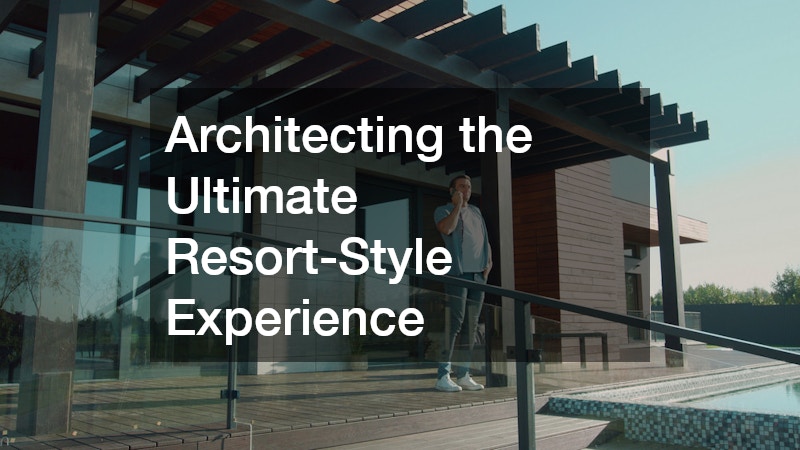
Zone Your Outdoor Space for Lounging, Dining, and Fire Features
A luxury home does not end at the back door; the exterior footprint must be treated with the same architectural intention as the interior living room. A flat rectangle of grass paired with a basic concrete patio slab offers little utility or aesthetic value. To create a resort-style experience, you must break the backyard down into distinct, functional “rooms” designed for specific activities: dining, lounging, and gathering.
This concept of functional zoning utilizes hardscaping and structural elements to guide movement. A primary lounging area might be situated beneath a custom cedar pergola for daytime shade, while a dedicated dining zone is anchored by an outdoor kitchen featuring marine-grade stainless steel appliances and poured concrete countertops. Further out into the yard, a sunken fire pit area surrounded by natural bluestone creates a nighttime destination point.
-
High-End Hardscaping: Replace poured concrete with premium materials. Travertine pavers stay incredibly cool under bare feet even in direct sunlight, while large-format porcelain tiles can be carried from the interior out to the patio to create a seamless indoor/outdoor transition.
-
Layered Illumination: A premium backyard relies heavily on low-voltage lighting. Use uplighting to highlight the trunks of mature trees, path lighting to define walkways, and “moonlighting”—fixtures mounted high in tree branches casting dappled light downward—to create a magical, ambient glow at night.
-
Micro-Climates: Integrating automated louvered roof systems, integrated patio heaters, and motorized insect screens allows you to control the environment and use the outdoor space comfortably year-round.
Bringing this level of cohesion to an exterior space requires far more than planting a few bushes. It demands the foresight of a custom landscape designer who understands how to manage site grading, design invisible drainage systems, construct load-bearing retaining walls, and select architectural flora that will thrive in your specific micro-climate while providing structural beauty in all four seasons.
Consult Experts for Structural Additions and Floor Plan Expansions
There comes a point in the pursuit of luxury where upgrading surface finishes and fixtures is no longer sufficient to meet your lifestyle needs. True opulence often requires altering the fundamental footprint of the home to create specialized, high-utility spaces. Whether it is adding a dedicated temperature-controlled wine cellar, expanding the primary en-suite bathroom into a sprawling spa, or constructing a scullery (a hidden prep kitchen designed to keep the main kitchen pristine during entertaining), structural additions represent the pinnacle of home customization.
The mark of a successful addition is that it should be completely invisible. When an expansion is completed, guests should not be able to tell where the original house ended and the new construction began. This requires meticulously matching rooflines, exterior masonry, window proportions, and foundation elevations.
-
The Scullery Concept: A massive luxury trend is the addition of a secondary, hidden kitchen. This space houses the messy reality of cooking and entertaining—second dishwashers, massive prep sinks, and open pantry shelving—allowing the main kitchen to serve purely as a beautiful gathering space.
-
En-Suite Expansions: Stealing square footage from an adjacent bedroom or building outward allows for the creation of massive primary retreats featuring his-and-hers walk-in closets with custom island cabinetry, dedicated vanity stations, and private morning-coffee balconies.
-
Architectural Cohesion: Ensuring that new load-bearing beams are integrated smoothly into the ceiling without awkward drop-downs, and that the HVAC system is properly scaled to heat and cool the new square footage, requires immense technical planning.
These complex, large-scale structural modifications carry significant engineering risks. To execute grand-scale luxury visions safely, homeowners must collaborate closely with reputable custom home builders. These comprehensive firms provide the architectural foresight, structural engineering, and master craftsmanship required to pull off major floor plan alterations seamlessly.
Conclusion
Elevating your home from a standard living space to a bespoke, luxury environment is a journey of intentional design and uncompromising quality. True luxury is not defined by sheer size or excessive ornamentation; it is found in the thoughtful integration of premium materials, the seamless flow of architecture, and the meticulous attention to sensory details. By systematically addressing the functional zones, foundational materials, surface finishes, natural lighting, and outdoor living spaces, you create a cohesive environment that is both visually stunning and deeply comforting.
Undertaking a complete home transformation does not require executing every project simultaneously. The most successful luxury upgrades are often phased logically over time. Start by establishing a strong, cohesive foundation—such as installing seamless, high-quality flooring and applying a sophisticated, color-drenched paint palette—before moving on to complex utility zones like kitchens and bathrooms. Once the interior foundation is set, you can confidently turn your attention to expanding your footprint and architecting the ultimate outdoor oasis.
Take the time to walk through your home with a critical eye. Identify the builder-grade elements that disrupt your visual flow, the rooms that lack architectural depth, and the outdoor areas that fail to draw you outside. By understanding exactly what makes a space feel premium, you can start gathering inspiration, defining your personal aesthetic, and connecting with the specialized professionals necessary to bring your upscale vision to life. Your home is your ultimate sanctuary; investing in its design is an investment in your daily peace and long-term quality of life.