
A functional home plumbing system is crucial for everyday life. Regular maintenance and awareness of warning signs are essential to prevent costly repairs. By spotting issues early, homeowners can ensure their plumbing systems remain efficient and reliable.
1. What is a Slab Leak and How Can You Detect It?
Understanding Slab Leaks
Slab leaks occur when water lines beneath the foundation of a house start leaking. This type of leak is often caused by pipe corrosion or movement of the slab itself. Understanding slab leaks is crucial as they can lead to significant structural damage if left undetected.
Unlike surface leaks, slab leaks are not immediately visible and often require specific detection techniques. Homeowners should be aware of unusual symptoms like increased water bills or unexplained moisture to identify slab leaks. Addressing these early can prevent further foundation issues and expensive repairs.
2. How Do You Conduct Water Line Repair?
Steps in Water Line Repair
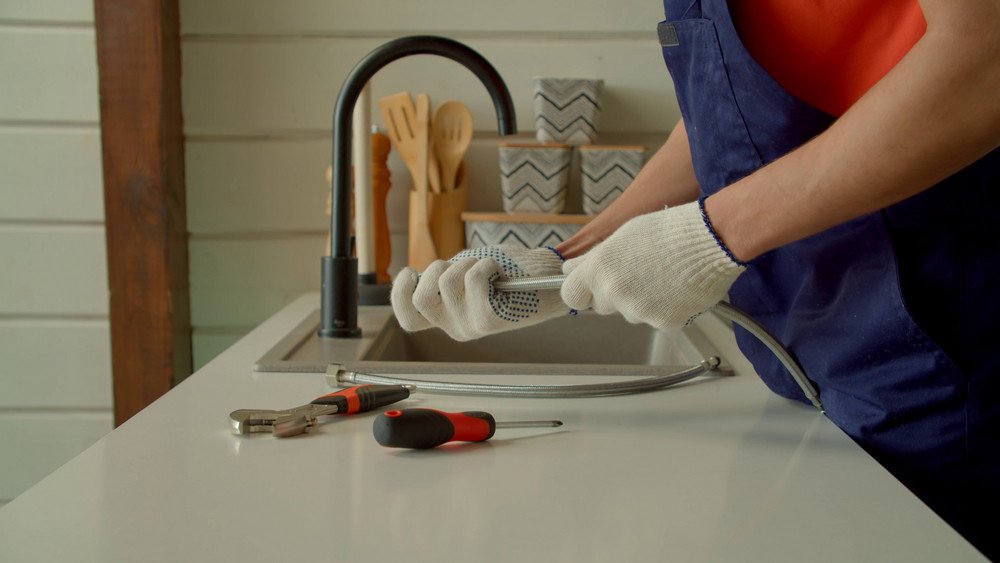
Water line repair begins with a comprehensive diagnosis of the problem. This involves identifying leaks or blockages and assessing the condition of the existing pipes. Once the issue is pinpointed, a repair plan can be formulated depending on the severity and location of the problem.
The repair process often entails draining water lines and shutting off the main water supply to prevent further damage. Replacing damaged sections of pipe with new, durable materials ensures the longevity of the repair. Proper joint sealing and pressure testing are vital final steps.
Tools Required for Water Line Repair
Conducting water line repair effectively requires the right set of tools. Basic tools include a pipe cutter, wrench, and sealing materials like plumbers tape. In some cases, specialized equipment such as a pipe locator and a pressure gauge might be necessary for more severe issues.
Having the appropriate tools not only simplifies the repair process but also enhances safety. Ensure that all tools are in good condition to prevent additional mishaps during the repair. In terms of resources, ensuring access to spare parts like couplings and connectors can prepare you for unforeseen complications.
3. What Are the Best Methods for Leak Detection?
Technologies Used in Leak Detection
Technological advancements have greatly improved leak detection methods, making them more efficient and less invasive. Equipment such as acoustic listening devices and infrared cameras can detect leaks without needing to dismantle structures. These technologies are essential for accurately locating leaks within walls or underground pipes.
Another popular technology is the use of pressure sensors in the plumbing system. These sensors can signal changes in water pressure indicative of leaks. Combined with other technologies, they provide a comprehensive approach to leak detection, reducing the need for guesswork.
4. Is It Time for a Plumbing Repair?
Common Signs You Need Plumbing Repair
There are several tell-tale signs that plumbing repair might be necessary. Persistent low water pressure, rusty or discolored water, and frequent clogs or backups are major indicators. These problems often suggest underlying issues that require professional inspection.
Unexplained increases in water bills and the presence of water stains on ceilings or walls may also signal plumbing problems. They can point to hidden leaks or compromised pipes. Acting quickly upon noticing these signs can greatly minimize repair costs and prevent further damage.
Cost Implications of Plumbing Repairs
The cost of plumbing repairs can vary significantly depending on the nature and extent of the issue. Minor repairs, like fixing a leak under a sink, tend to be inexpensive, whereas complex issues like extensive pipe replacements can be costly. Understanding these cost implications helps homeowners budget for potential repairs.
Additionally, neglecting necessary repairs can lead to more significant problems, resulting in higher costs in the long run. It is often more economical to address small issues promptly rather than wait for them to escalate. Consulting with local plumbers for quotes can provide a realistic picture of potential expenses.
5. When Should You Call a Plumber?
Types of Plumbing Issues Requiring Professional Attention
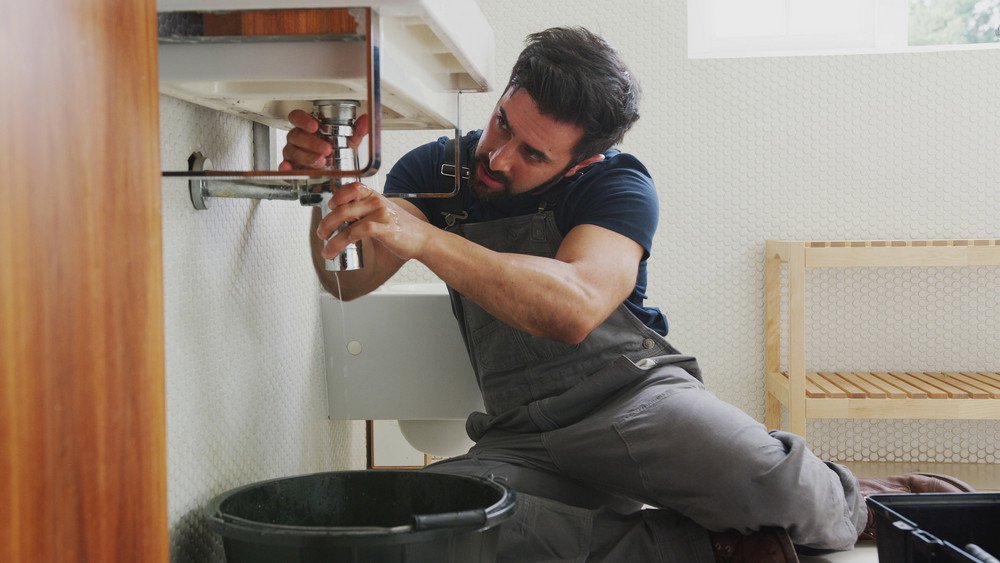
Certain plumbing issues are beyond the scope of DIY repairs and require professional intervention. These include serious blockages, recurring leaks, and water heater malfunctions. Attempting to fix these without proper expertise can exacerbate the problem.
Moreover, issues involving main water lines or sewer lines should always be handled by a plumber. These are complex systems that demand technical know-how and specialized tools. Contacting a professional ensures the problem is resolved safely and effectively.
Urgent vs. Non-Urgent Plumbing Situations
Distinguishing between urgent and non-urgent plumbing situations can help homeowners prioritize repairs. Urgent issues, such as burst pipes or sewage backups, need immediate attention to prevent extensive damage. These scenarios pose risks not only to the property but also to health and safety.
Non-urgent situations, like slow-draining sinks or dripping faucets, can often be scheduled for repair during typical business hours. While these do need addressing, they usually do not require emergency services. Recognizing the severity of a plumbing issue can help in making informed decisions about when to call a plumber.
6. How to Find Reliable Local Plumbers
Checking Licenses and Certifications
Finding reliable local plumbers starts with verifying their licenses and certifications. These credentials are a testament to the plumber’s expertise and adherence to regional plumbing codes. Always ask for proof of licensing before engaging their services.
Certifications from recognized plumbing associations can further reassure the quality of service. They often imply that the plumber has undergone additional training. Employing licensed professionals ensures compliance with legal and safety regulations, reducing the risk of subpar work.
7. What is Involved in Trenchless Pipe Repairs?
Advantages of Trenchless Pipe Repair
Trenchless pipe repairs offer a less invasive solution to fixing underground pipes. This method minimizes the need for extensive digging, preserving landscaping and reducing the amount of post-repair restoration needed. The process is quicker, saving both time and money.
The technique is effective in managing issues such as leaks, blockages, and damaged pipes. As trenchless repairs require less labor and time, they are often more cost-effective than traditional methods. These advantages make trenchless technology a preferred option for many homeowners.
Process of Trenchless Technology
Trenchless technology involves techniques such as pipe lining and pipe bursting. Pipe lining installs a resin-coated liner inside the existing pipe, which hardens to form a new pipe. This method is suitable for restoring pipes with minor damage or corrosion.
Pipe bursting, on the other hand, is used for more severely damaged pipes. It involves breaking the old pipe while simultaneously pulling through a new one to replace it. Both techniques are efficient and minimize the need for disruptive excavation.
8. When to Consider Water Heater Services?
Signs Your Water Heater Needs Attention
Several signs indicate when water heater services are needed. These include inconsistent water temperatures, strange noises from the heater, and visible leaks around the unit. Such issues suggest the water heater may not perform effectively and require immediate assessment.
Age is another factor to consider. Water heaters typically last between 8 to 12 years. If yours is nearing the end of its lifespan, it may be time to consider a replacement or professional evaluation to extend its life.
Routine Maintenance for Water Heaters
Regular maintenance is key to prolonging the life and efficiency of a water heater. This includes periodic flushing to remove sediment build-up and replacing faulty components like thermocouples. Proactive maintenance can prevent unexpected failures and save on repair costs.
Scheduling annual check-ups with water heater services can also ensure optimal performance. During these inspections, professionals can make necessary adjustments and identify potential problems before they escalate. Routine maintenance is a small investment compared to the cost of major repairs or replacements.
9. How to Maintain Your Water Softener System?
Routine Checks for Water Softener Efficiency
Maintaining your water softener system involves routine checks to ensure its efficiency. Regularly inspecting the salt levels in the brine tank and replenishing them as needed is essential. Consistent checks prevent malfunctions and maintain soft water flow throughout your home.
Additionally, cleaning the brine tank annually helps prevent salt bridges and other build-up that can hinder performance. Routine maintenance of the water softener system prolongs its lifespan and ensures continuous water quality improvement.
Common Problems with Water Softener Systems
Like any other household appliance, water softeners can encounter problems that need to be addressed. Common issues include hard water spots, changes in water taste, and reduced water pressure, indicating a malfunction. Prompt action can prevent extensive damage and restore the system’s efficiency.
Another issue includes the buildup of salt mushing, which inhibits the regeneration process. Regularly inspecting and cleaning the components can avert these problems. Understanding these common issues allows homeowners to take proactive measures to maintain their water softener systems.
10. What Are the Benefits of a Water Softener?
Improving Water Quality with a Softener
A water softener significantly improves water quality by removing minerals like calcium and magnesium. These minerals can cause hard water, leading to issues such as scale buildup in pipes and appliances. With a water softener, these are effectively minimized, promoting better water quality.
Softened water can enhance the efficiency of soaps and detergents, resulting in cleaner dishes and laundry. This not only enhances cleanliness but also reduces the amount of cleaning product needed. Consequently, a water softener can contribute to long-term cost savings.
Long-term Benefits of Water Softening
The long-term benefits of using a water softener extend beyond immediate improvements in water quality. Prolonged use can increase the lifespan of household appliances by reducing scale-related wear and tear. This can result in fewer repairs and replacements, saving money in the long run.
Additionally, softened water is gentler on the skin and hair, leading to improved health and comfort. The cumulative benefits highlight the value of investing in a high-quality water softener system. By addressing hard water issues at the source, homeowners can enjoy a variety of long-term advantages.
11. How to Prevent Future Plumbing Issues?
Regular Maintenance Tips
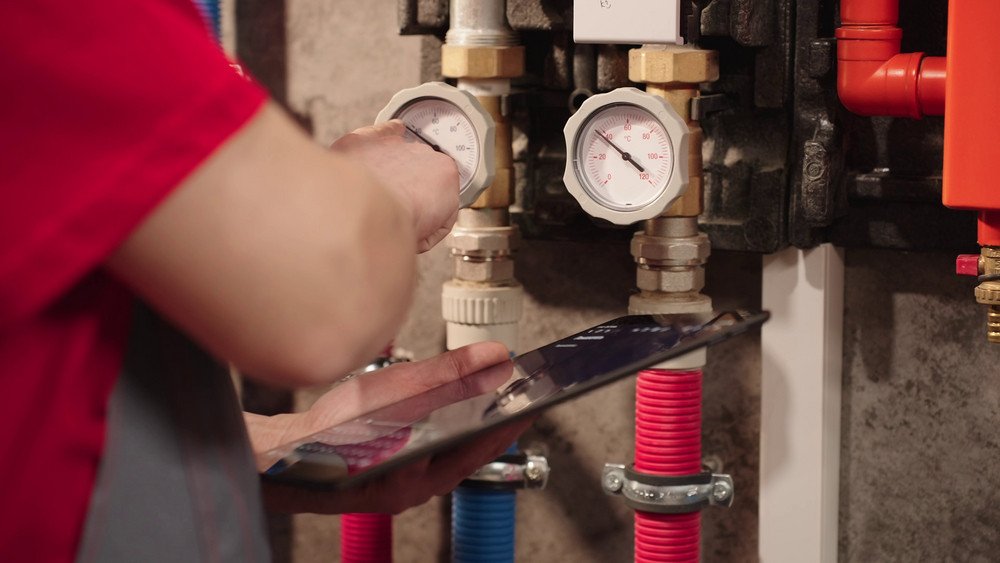
Regular maintenance is fundamental to preventing future plumbing issues. Simple practices such as periodically checking for leaks and ensuring good water pressure can prevent larger issues. Routine maintenance involves small steps that can greatly contribute to the overall health of the plumbing system.
Installing drain guards can prevent blockages from debris accumulation, reducing the chances of clogs. In addition, periodic flushing of your plumbing system can keep it in optimal condition. Following a consistent maintenance schedule can reduce unexpected problems and extend the lifespan of plumbing fixtures.
12. Can You Use Technology to Monitor Plumbing Systems?
Smart Home Tech for Plumbing
Smart home technology offers innovative solutions for monitoring plumbing systems. Devices such as smart leak detectors can alert homeowners to water leaks before they become serious problems. These tools use sensors and Wi-Fi connectivity to provide real-time notifications.
Smart water management systems can even track water usage patterns, helping homeowners make informed decisions. By adopting these technologies, homeowners can achieve greater control over their plumbing systems and detect issues sooner. Smart tech enhances the efficiency and safety of plumbing systems, making it a valuable addition to modern homes.
13. How Does Hard Water Affect Household Plumbing?
Challenges Posed by Hard Water
Hard water presents several challenges for household plumbing, primarily due to mineral buildup. This buildup can lead to clogs, reduced water flow, and increased pressure on pipes. Over time, these conditions can cause pipe damage and subsequent leaks.
Additionally, hard water can hinder the effectiveness of water heaters, reducing efficiency and lifespan. It can also cause unsightly stains on fixtures and poor performance of soaps and detergents. Managing hard water is crucial to prevent its ramifications on the plumbing system.
Long-term Effects on Plumbing Infrastructure
Over the long term, hard water can severely impact the infrastructure of household plumbing. The continual accumulation of scale narrows pipe diameters, leading to increased energy costs and strained systems. This is often seen in appliances like dishwashers and washing machines, causing them to wear out faster.
Furthermore, prolonged exposure to hard water can weaken pipe materials, leading to more frequent plumbing repairs. Addressing hard water at its source with a water softener can mitigate these effects. Protecting plumbing infrastructure from the detriments of hard water ensures its longevity and reliability.
Conclusion
Recognizing and addressing warning signs in your plumbing system is vital to maintaining a safe and efficient home. By understanding potential issues such as slab leaks, utilizing advanced leak detection, and engaging in regular maintenance, homeowners can prevent extensive damage and expensive repairs. Leveraging professional and technological resources provides a comprehensive approach to ensuring optimal plumbing system performance and peace of mind.