
Owning a home is both a rewarding and demanding responsibility. Beyond the pride of having a personal space, it comes with the ongoing challenge of maintaining and improving the property to ensure safety, comfort, and long-term value. Many homeowners focus on immediate issues as they arise, but the most successful home management comes from a proactive approach that balances daily upkeep with strategic improvements. Small problems, if left unaddressed, can escalate into major repairs that are costly, time-consuming, and disruptive to daily life.
A well-maintained home also contributes to a healthier living environment. Proper attention to structural integrity, outdoor spaces, and household systems helps prevent hazards such as water damage, mold, pest infestations, and inefficient energy use. Beyond functional benefits, regular maintenance and thoughtful enhancements elevate a home’s aesthetic appeal, creating a welcoming environment for family, friends, and potential future buyers.
This guide provides homeowners with practical, actionable advice across every aspect of property care. From protecting the roof and expanding living spaces to maintaining outdoor areas and water systems, we’ll cover essential strategies that help preserve your investment, optimize functionality, and make your home a comfortable, safe, and enjoyable space year-round. By following these tips, you can confidently manage both routine maintenance and larger improvement projects, ensuring your home remains a source of pride and comfort for years to come.
Maintaining and Protecting Your Roof
A roof is one of the most critical components of any home, acting as the first line of defense against weather, pests, and water damage. Neglecting roof maintenance can lead to structural issues, mold growth, and expensive repairs. Regular inspections and timely interventions are essential.
Signs Your Roof Needs Attention
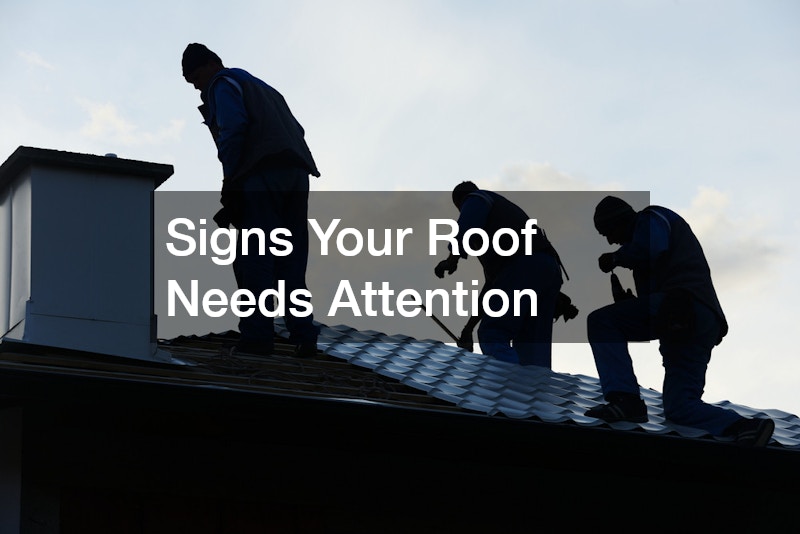
A roof is a home’s first line of defense against weather, pests, and water damage. Catching issues early can prevent costly repairs, structural damage, and safety hazards. While some problems are obvious, others may be subtle and require careful observation. Homeowners should perform regular inspections at least twice a year—ideally in the spring and fall—and after major storms. Here are the key signs that your roof may need attention:
1. Visible Damage to Shingles or Tiles
- Missing, cracked, curling, or blistering shingles indicate wear and potential water infiltration.
- Loose or broken tiles on tile roofs can allow leaks and reduce the roof’s durability.
- Granule loss from asphalt shingles can be spotted as bare spots or granules in gutters, signaling the shingles are nearing the end of their lifespan.
2. Water Damage and Stains
- Discolored spots or water stains on ceilings or attic walls often point to leaks in the roof.
- Mold or mildew growth in attics can indicate persistent moisture problems.
- Dripping or damp spots inside the home should never be ignored—they can be a sign of compromised roof integrity.
3. Sagging or Uneven Roof Surfaces
- A sagging roof line may indicate structural problems with rafters, trusses, or decking.
- Uneven areas on the roof surface can point to weakened support beneath the roofing material.
- Immediate professional inspection is recommended if you notice sagging, as it could compromise the safety of the home.
4. Exterior Signs of Wear and Tear
- Moss, algae, or lichen growth on shingles can trap moisture and accelerate deterioration.
- Flashing around chimneys, vents, and skylights should be inspected for rust, gaps, or damage, as these are common entry points for water.
- Loose or missing nails and exposed fasteners are signs the roofing materials are not properly secured.
5. Increased Energy Bills
- While less obvious, rising heating or cooling costs may indicate roof insulation or ventilation issues caused by aging or damaged roofing.
- Proper ventilation and insulation are key for energy efficiency and preventing ice dams in colder climates.
6. Signs of Aging
- Most roofs last between 20 and 25 years, depending on the materials. If your roof is approaching this age, even minor issues may signal the need for replacement rather than repair.
- Keep records of previous maintenance, repairs, and inspections to help determine the roof’s overall condition and longevity.
Regular inspections, both visual and professional, can save homeowners significant time and money by addressing small issues before they escalate. Taking proactive steps ensures the roof continues to protect the home effectively, extending its lifespan and maintaining safety and comfort inside the house.
Choosing Between Roof Repair and Roof Replacement
Determining whether a roof repair or a full roof replacement is needed depends on the extent of damage and the age of the roof.
Repair considerations:
- Small leaks or localized shingle damage can often be repaired effectively.
- Minor roof repairs are less expensive and faster than full replacements.
Replacement considerations:
- Roofs older than 20-25 years may require replacement due to general wear and tear.
- Widespread shingle loss, structural damage, or repeated leaks are strong indicators that replacement is necessary.
- Roof replacement offers an opportunity to upgrade to more durable or energy-efficient materials.
Hiring certified roofing professionals ensures that inspections are accurate and that roof repair or roof replacement work meets safety standards. Investing in quality materials and workmanship can prevent recurring issues and extend your roof’s lifespan.
Expanding Your Living Space
Creating additional space in your home can increase functionality and property value. Whether you’re adding a new room, finishing a basement, or remodeling an existing area, proper planning and execution are essential.
Planning a Successful Home Addition
Adding new square footage requires careful consideration of structural, financial, and aesthetic factors:
- Zoning and permits: Always check local regulations before planning an addition to avoid fines and delays.
- Budgeting: Account for construction, materials, design fees, and potential unexpected expenses.
- Design integration: Ensure that the new space complements your home’s existing architecture and flow.
- Utility planning: Factor in HVAC, electrical, plumbing, and lighting needs for the new area.
A detailed plan that includes a timeline, budget allocation, and design specifics will help ensure the home addition project stays on track.
Partnering with the Right Home Remodeler
Choosing a professional home remodeler can make the difference between a smooth project and a stressful one:
- Research and vetting: Look for licensed and insured contractors with positive reviews and strong references.
- Clear communication: Establish expectations for timelines, materials, and budget.
- Contracts and agreements: Use written contracts detailing all aspects of the project to avoid misunderstandings.
A qualified home remodeler can offer design expertise, ensure code compliance, and bring valuable experience to complex home addition projects.
Keeping Your Pool Safe and Functional

Pools are a source of enjoyment and relaxation, but they also require careful upkeep to remain safe and functional. Neglecting maintenance can result in water contamination, equipment damage, or costly repairs.
Routine Pool Maintenance Tips
Regular care keeps your pool clean, safe, and efficient:
- Skim debris daily and vacuum the pool weekly
- Check and balance chemical levels, including chlorine and pH
- Inspect pumps, filters, and heaters for proper operation
- Maintain water circulation to prevent algae growth
Consistency is key; even small lapses can lead to bigger issues, such as cloudy water or algae outbreaks.
When to Schedule Pool Repairs
Recognizing when professional intervention is necessary can prevent small problems from escalating:
- Persistent leaks or unexplained water loss
- Cracks in the pool structure or tiles
- Malfunctioning pumps, heaters, or filtration systems
Hiring an experienced pool repair service ensures that repairs are completed efficiently and correctly, minimizing downtime and preserving the longevity of your pool.
Ensuring Efficient Home Heating & Cooling
Home comfort largely depends on heating and cooling systems. Regular maintenance and smart upgrades can reduce energy costs, improve air quality, and extend the life of your equipment.
Benefits of Heat Pump Installation
Heat pumps are an increasingly popular choice for efficient climate control. They offer:
- Energy efficiency: Transfer heat rather than generate it, reducing energy consumption
- Cost savings: Lower utility bills over time
- Year-round comfort: Provide both heating and cooling with one system
- Environmental benefits: Reduce carbon footprint compared to traditional heating systems
Proper sizing, placement, and heat pump installation are crucial to maximize efficiency and ensure long-term performance.
Regular Maintenance for Optimal Performance
Maintaining heating and cooling systems enhances reliability and efficiency:
- Replace filters regularly to maintain airflow and air quality
- Inspect ductwork for leaks or blockages
- Schedule annual professional inspections to identify potential issues early
- Clean outdoor condenser units to remove debris
A proactive maintenance schedule ensures your home remains comfortable and reduces the likelihood of costly emergency repairs.
Plumbing and Water Systems Maintenance
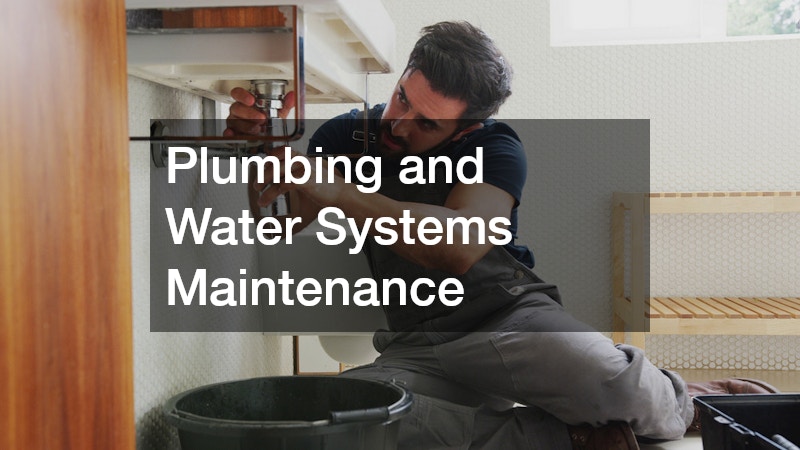
Plumbing is the backbone of any home. Timely repairs and preventive care keep water flowing smoothly and prevent structural damage from leaks or flooding.
Identifying Plumbing Problems Early
Spotting plumbing issues early saves both money and stress:
- Unusual water pressure changes or slow drains
- Dripping faucets or leaking pipes
- Discolored or foul-smelling water
- Strange noises, such as banging or gurgling, in pipes
Routine inspections of visible pipes, under sinks, and around appliances can help catch problems before they escalate.
Repairing and Replacing Key Components
Proper maintenance and plumbing repairs prevent costly damage:
- Plumbing repair: Fix leaks, unclog drains, and replace worn faucets and fixtures
- Water heater repair & care: Flush the tank to remove sediment, inspect for corrosion, and check pressure valves
- Replacement considerations: If the water heater is old, inefficient, or prone to frequent repairs, replacing it may be more cost-effective than ongoing maintenance
Hiring licensed plumbing professionals ensures repairs are done safely, efficiently, and according to code standards.
Enhancing Curb Appeal and Preventing Exterior Damage

The exterior of your home is the first thing visitors and potential buyers notice. Maintaining and upgrading exterior features not only improves aesthetics but also prevents damage from weather, pests, and general wear. Regular care can save thousands in repairs and increase overall property value.
Inspecting and Maintaining Siding and Paint
Your home’s siding and paint act as a protective barrier against the elements:
- Visual inspections: Check for cracks, peeling paint, or areas where water may be penetrating.
- Cleaning: Power wash vinyl or wood siding to remove dirt, algae, and mildew.
- Touch-ups and repainting: Address small areas of peeling paint promptly to prevent wood rot and long-term damage.
- Weatherproofing: Ensure caulking around windows, doors, and joints is intact.
Upgrading Walkways, Driveways, and Decks
Exterior hardscaping and decking can affect both safety and visual appeal:
- Walkways and driveways: Repair cracks and uneven surfaces to prevent accidents and further deterioration.
- Decks and patios: Clean, seal, and inspect for loose boards or structural weaknesses.
- Lighting: Install adequate exterior lighting for safety and aesthetics.
Preventative Measures Against Water and Pest Damage
Protecting the exterior can prevent costly interior repairs:
- Gutters and downspouts: Clean and ensure proper water flow to prevent foundation issues.
- Foundation inspection: Look for cracks or signs of water pooling around the home.
- Pest prevention: Seal gaps, treat for termites, and maintain a barrier between plants and the home’s exterior.
By taking proactive steps to care for the exterior of your property, you can maintain its visual appeal, prevent damage, and extend the life of structural features.
Lawn and Outdoor Maintenance
A well-maintained lawn and outdoor space enhance curb appeal, provide recreational space, and protect property value. Regular care, combined with seasonal tasks, keeps your yard looking vibrant and healthy.
Effective Lawn Mowing Strategies
Proper mowing techniques are crucial for a healthy lawn:
- Mow regularly to prevent overgrowth, generally once a week during peak growing season
- Adjust cutting height according to grass type to reduce stress
- Avoid cutting more than one-third of the grass height at a time
- Keep mower blades sharp for clean cuts
Deciding between DIY mowing and professional lawn mowing services depends on your schedule, equipment, and desired results.
Enhancing Lawn Health Year-Round
A comprehensive lawn care services can ensure long-term health and beauty:
- Fertilization: Apply nutrient-rich fertilizers based on soil tests and grass type
- Aeration: Reduce soil compaction and improve root growth
- Pest and weed control: Use targeted solutions to prevent damage
- Irrigation: Water deeply and infrequently to promote strong roots
Regular care combined with preventive measures minimizes stress on the lawn and reduces the need for intensive repairs.
Creating a Maintenance Schedule
A structured maintenance schedule ensures that no system or area is neglected, preventing minor issues from turning into major problems.
Annual Home Maintenance Checklist
A well-rounded checklist covers all aspects of home care:
- Roof and gutters: Inspect, clean, and repair
- Plumbing: Check for leaks, inspect water heater, and maintain drains
- HVAC: Replace filters, inspect ductwork, and schedule professional servicing
- Pool: Balance chemicals, inspect equipment, and perform deep cleaning
- Lawn and landscape: Mow, fertilize, aerate, and monitor irrigation systems
Organizing tasks seasonally helps distribute workload and ensures thorough coverage throughout the year.
Budgeting and Prioritizing Projects
Financial planning is key to effective maintenance:
- Identify urgent repairs versus long-term improvements
- Allocate funds monthly or quarterly for routine upkeep
- Track service providers, warranties, and recurring expenses
Having a clear plan minimizes stress, ensures timely care, and can prevent emergency costs from overwhelming your budget.
Homeownership involves a combination of proactive maintenance and thoughtful improvement projects. From keeping roofs and plumbing systems in good condition to maintaining lawns, pools, and HVAC systems, each aspect plays a vital role in ensuring comfort, safety, and long-term property value.
By planning projects carefully, partnering with qualified professionals, and maintaining a structured schedule, homeowners can prevent small issues from becoming major problems. A well-maintained home not only preserves its market value but also enhances daily living, creating a safe and enjoyable environment for years to come.
Investing time, effort, and resources in home improvement and property maintenance is ultimately an investment in peace of mind and the long-term protection of your most valuable asset.