
Introduction
Owning or managing a property—whether a single-family home, a multi-unit building, or a sprawling commercial facility—requires more than sporadic repairs. Properties are complex systems exposed daily to weather, wear and tear, and occupancy demands. Without proactive care, minor problems can escalate into costly structural damage, operational interruptions, or even health and safety hazards.
Effective property management is not just about reacting to visible issues; it is about building a strategic approach that safeguards structural integrity, maintains functionality, and enhances long-term value. A well-maintained property attracts higher-quality tenants or customers, reduces insurance costs, and minimizes unplanned expenses.
One of the biggest challenges property owners face is balancing routine upkeep with larger improvement projects. Many small maintenance tasks—like clearing gutters, trimming trees, or checking plumbing—are easy to overlook but, if ignored, can trigger expensive repairs down the line. By implementing a structured schedule and engaging qualified professionals, you can reduce emergency calls, improve budgeting accuracy, and increase property longevity.
This guide covers essential services and strategies to help homeowners protect and improve their investments. Each section provides actionable tips, warning signs to monitor, and best practices for creating a proactive maintenance and improvement plan. By the end, readers will understand how to approach property care in a structured, strategic way that balances functionality, aesthetics, and long-term returns.
Maintain Healthy Trees and Manage Stumps
Importance of Tree Services
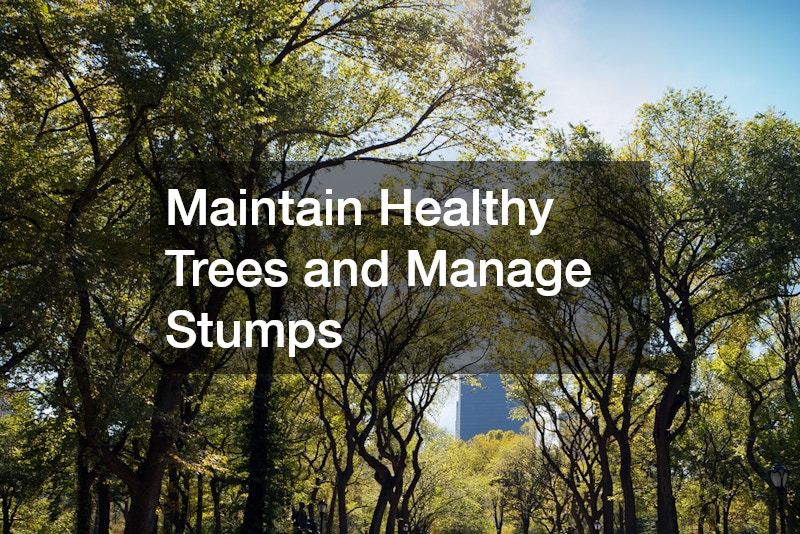
Trees enhance property aesthetics, provide shade, and improve privacy, but unmanaged growth can create hazards. Dead branches, diseased limbs, or unstable root systems can fall unexpectedly during storms, damaging structures, vehicles, or other landscaping elements. Regular tree services and inspections help identify early warning signs before they become emergencies.
Property owners should evaluate tree health seasonally, looking for discoloration, fungal growth, and signs of insect infestations. Additionally, large trees near foundations, sidewalks, or driveways require careful monitoring, as root systems can cause structural shifting, cracking, and drainage issues.
Tree Care Best Practices
-
Schedule trimming and pruning seasonally to maintain tree health
-
Inspect roots and soil stability to prevent foundation damage
-
Remove dead or weakened branches to reduce storm hazards
-
Apply protective treatments to manage pests or fungal diseases
-
Mulch around the base to retain moisture and protect soil integrity
Stump Grinding for Safety and Aesthetics
Leftover stumps detract from curb appeal, create tripping hazards, and can attract insects or rodents. Stump grinding removes the hazard completely and allows for replanting or landscaping redesigns.
Benefits of proper stump management:
-
A clean, safe yard free from hazards
-
Prevention of unwanted regrowth or weeds
-
Space for new landscaping or sod installation
-
Reduced risk of pest infestations
Proactive tree and stump care not only protects physical assets but also enhances property value and ensures that outdoor spaces are safe and inviting.
Keep Septic Systems Functional and Safe
Signs of Septic Tank Issues
Septic systems are essential for many properties but can fail silently if neglected. Watch for early indicators of malfunction:
-
Slow drains, gurgling sounds, or backups
-
Foul odors near the tank or drain field
-
Patches of unusually lush grass or soggy areas
-
Standing water above the drain field
Ignoring these signs can lead to environmental contamination, health risks, and costly repairs.
Preventative Septic Tank Services
Routine inspections and maintenance extend the system’s lifespan and reduce emergency costs. Key steps include:
-
Schedule periodic pumping to prevent solids buildup
-
Inspect baffles, pipes, and the drain field for damage
-
Monitor water usage and avoid overloading the system
-
Limit heavy chemicals that disrupt bacterial balance
Proactive septic management not only protects your property but also safeguards the surrounding environment, preventing contamination and ensuring compliance with local regulations.
Protect Your Roof and Prevent Water Damage
Identifying Roofing Issues
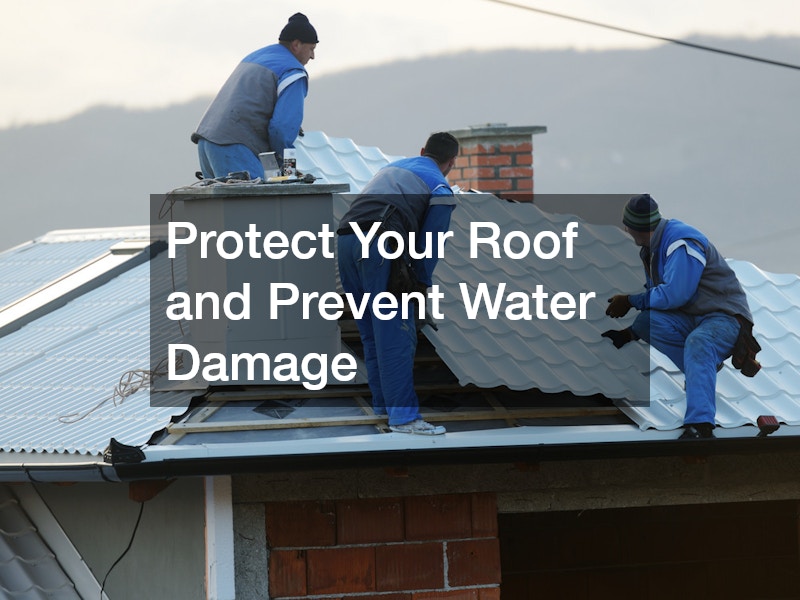
Roofs face constant exposure to sun, rain, wind, and snow. Even minor damage can compromise insulation and lead to leaks, mold growth, and structural weakening. Regular inspections help identify issues such as:
-
Curling, cracked, or missing shingles
-
Sagging decking or blistered membranes
-
Water stains on ceilings or attic insulation
-
Loose flashing around chimneys, vents, or skylights
Commercial properties often face additional risks, including rooftop equipment that creates extra penetration points for leaks.
Roofing Repair and Maintenance Tips
-
Clean gutters and downspouts to prevent water buildup
-
Reinforce flashing and seals around penetrations
-
Apply reflective or protective coatings to extend roof lifespan
-
Conduct infrared scans to detect hidden moisture
-
Schedule inspections biannually, ideally in spring and fall
A proactive roofing strategy not only prevents costly water damage but also improves energy efficiency and occupant comfort.
Maintain Plumbing Systems and Water Heaters
Plumbing Inspections
Water is essential, but plumbing failures are among the most disruptive and expensive issues homeowners face. Licensed plumbers should regularly inspect:
-
Supply lines, shutoff valves, and connections
-
Drainage systems, vent stacks, and traps
-
Pipe integrity and signs of corrosion or leaks
-
Appliance connections, including water heaters and softeners
Early detection of leaks or corrosion prevents water damage, mold growth, and structural deterioration.
Water Heater Services
Proper maintenance of water heating systems ensures reliability and energy efficiency. Key tasks include:
-
Flushing tanks annually to remove sediment
-
Inspecting anode rods and pressure relief valves
-
Installing leak detection devices and automatic shutoffs
-
Considering energy-efficient tankless water heaters
Routine water heater maintenance reduces emergency costs, extends equipment life, and improves indoor air quality by preventing mold growth from leaks.
Keep Pools Clean and Safe

Pool Maintenance Essentials
Pools enhance both aesthetic appeal and recreational value but require consistent upkeep. Core responsibilities include:
-
Skimming debris, vacuuming, and brushing pool walls
-
Monitoring and balancing chemicals such as pH, chlorine, and alkalinity
-
Inspecting pumps, filters, and heaters
-
Winterizing in colder climates or preparing for seasonal openings
Professional pool maintenance ensures safety, prevents costly repairs, and preserves water quality. It also minimizes health risks, including bacterial or algae growth.
Safety and Compliance Tips
-
Maintain fencing and safety barriers
-
Inspect pool drains and suction systems
-
Install proper signage for commercial pools
-
Follow local regulations for water treatment
Consistent maintenance enhances enjoyment and safeguards both property and residents.
Enhance Your Lawn with Sod and Landscaping
Preparing for Sod Installation
A vibrant lawn requires careful preparation before sod installation. Steps include:
-
Removing debris, rocks, and old vegetation
-
Leveling the soil and improving drainage
-
Incorporating nutrient-rich soil amendments
-
Installing irrigation for consistent watering
Landscaping Company Support
Professional landscaping services can provide ongoing care and aesthetic enhancement:
-
Seasonal planting, pruning, and fertilization
-
Erosion control and water management
-
Hardscaping, including pathways, retaining walls, and patios
-
Pest and disease monitoring for plants
A well-maintained landscape improves curb appeal, increases property value, and creates usable outdoor spaces for relaxation and entertainment.
Prevent Pests and Protect Health
Warning Signs of Infestation
Pests pose risks to both property and health. Watch for:
-
Droppings, chewed materials, or damaged insulation
-
Nests or burrows near structures
-
Unexplained odors or activity around doors and windows
-
Structural damage caused by termites, rodents, or carpenter ants
Pest Control Services
Professional pest management focuses on prevention and monitoring:
-
Conduct seasonal exterior and interior inspections
-
Seal cracks and potential entry points
-
Apply environmentally safe treatments for high-risk areas
-
Schedule routine follow-ups to maintain protection
Preventative pest control safeguards property, reduces emergency expenses, and protects residents from health hazards.
Upgrade Exterior Protection with Siding Services
Evaluating Siding
Siding is a property’s first line of defense against the elements. Beyond its aesthetic function, it shields walls from wind, rain, snow, and temperature fluctuations. A siding company can conduct a comprehensive evaluation to identify areas of concern. This includes inspecting panel condition, checking for loose or missing fasteners, assessing moisture infiltration behind panels, and evaluating the effectiveness of vapor barriers and insulation.
Homeowners should also pay attention to subtle signs of siding deterioration, such as bubbling paint, warped panels, or uneven surfaces. High humidity, heavy rainfall, and pest activity can accelerate damage, so regular monitoring is critical. Early detection allows for targeted repairs that prevent water intrusion, mold growth, and structural weakening.
Siding Improvements
Once issues are identified, improvements can range from localized repairs to full replacement. Options include:
-
Repairing damaged or missing panels to restore integrity
-
Upgrading to insulated or impact-resistant siding for energy efficiency and durability
-
Coordinating siding replacement with painting or window installation to reduce labor costs and achieve a uniform appearance
-
Using high-quality sealants to reinforce joints and prevent moisture infiltration
Investing in professional siding services not only preserves structural integrity but also enhances the property’s appearance and value. Additionally, insulated siding can improve energy efficiency, reducing heating and cooling costs over time.
Maintain Paved Surfaces for Safety and Functionality
Driveway and Walkway Care
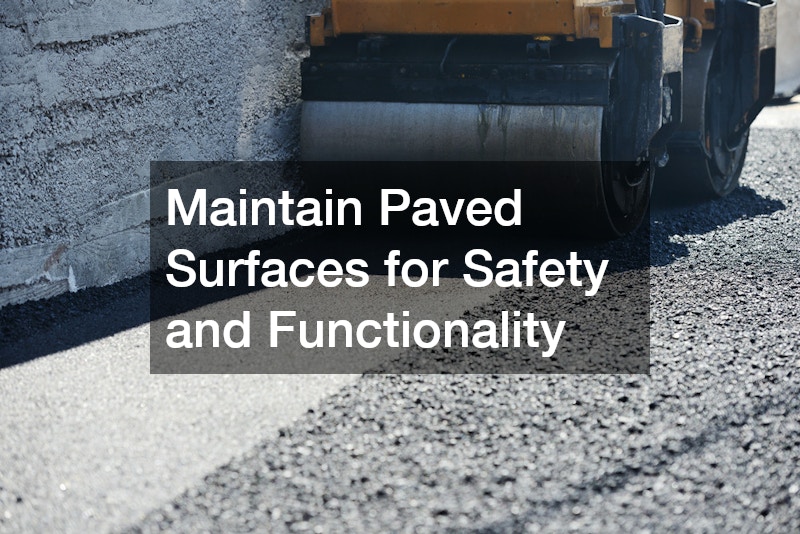
Paved surfaces like driveways, sidewalks, and patios are critical for property safety and accessibility. Over time, cracking, erosion, or settling can create tripping hazards and water pooling issues. Routine maintenance ensures longevity and safe use:
-
Fill minor cracks promptly to prevent further deterioration
-
Resurface worn or uneven areas to maintain smoothness and functionality
-
Grade surfaces properly to ensure effective water drainage and prevent erosion
-
Conduct seasonal inspections, especially after freeze-thaw cycles or heavy rainfall, to detect emerging problems
Paving Company Services
Professional paving services provide expertise and durable solutions for long-term performance. Key services include:
-
Expert installation and repair of asphalt, concrete, or composite surfaces
-
Sealcoating to protect against water damage, UV exposure, and wear
-
Custom design and grading for proper drainage, traffic flow, and minimal maintenance
-
Emergency repairs for large cracks, potholes, or settling areas
Maintaining paved surfaces reduces liability, enhances curb appeal, and protects investments by extending the lifespan of concrete or asphalt features. Properly maintained driveways and walkways also improve accessibility, making your property safer and more inviting for residents, customers, or guests.
Enhance Property Durability and Appearance with Painting
Professional Painting Services
Painting serves a dual purpose: protection and aesthetic enhancement. Exterior paint guards against moisture, UV rays, and temperature fluctuations, while interior paint preserves surfaces and updates the look of living or working spaces. Proper preparation is essential for long-lasting results:
-
Clean surfaces thoroughly to remove dirt, mold, and loose paint
-
Sand rough or uneven areas to ensure smooth adhesion
-
Apply high-quality primer to seal the surface and improve topcoat durability
-
Select weather-resistant coatings for exteriors and low-VOC paints for interiors
Coordinated Projects
Painting often intersects with other exterior improvements. Coordinating paint schedules with siding upgrades, window replacements, or trim repairs minimizes downtime and cost. For example, painting before siding installation can prevent damage during construction, while repainting trim after siding replacement ensures a consistent finish.
Regular painting protects materials, prevents water intrusion, and maintains a fresh appearance that contributes to property value. A professionally executed paint job can also enhance curb appeal, signaling to visitors, tenants, or potential buyers that the property is well cared for.
Coordinating a Comprehensive Maintenance Plan
Scheduling and Preventative Strategy
Creating a unified maintenance plan ensures that all property systems are monitored and serviced systematically. This plan should:
-
Establish an annual calendar covering critical systems, including roofing, plumbing, siding, landscaping, and paved surfaces
-
Assign responsible parties for inspections, follow-ups, and contractor management
-
Integrate seasonal adjustments for pool care, tree trimming, pest control, and irrigation
-
Include documentation for warranties, inspection reports, and completed work
A well-structured plan provides visibility into property health and ensures timely intervention before minor issues escalate into major repairs.
Benefits of a Cohesive Approach
A coordinated maintenance strategy provides measurable benefits:
-
Reduces emergency repair costs by addressing issues proactively
-
Extends the lifespan of equipment, structural components, and exterior finishes
-
Improves safety for residents, employees, and visitors
-
Enhances tenant satisfaction and retention in rental properties
-
Increases property value and overall market appeal through consistent upkeep
By integrating all aspects of maintenance—roofing, siding, plumbing, landscaping, paved surfaces, painting, and pool care—property owners can achieve operational efficiency, cost savings, and long-term performance. A strategic, comprehensive approach transforms routine upkeep from a series of isolated tasks into a structured program that protects assets, optimizes appearance, and ensures every element of the property functions effectively.
Conclusion
Proactive property maintenance and strategic improvements are essential for protecting your investment, enhancing functionality, and maximizing long-term value. By addressing critical systems—such as plumbing, roofing, siding, and paved surfaces—before problems escalate, homeowners can prevent costly emergency repairs, reduce liability, and preserve structural integrity. Similarly, attention to landscaping, pool maintenance, and pest control not only safeguards safety and health but also improves aesthetics and tenant or family satisfaction.
Coordinating services from qualified professionals ensures that every component of your property works together efficiently. Routine inspections, preventative maintenance, and timely upgrades create a cohesive system that minimizes downtime, extends the life of key assets, and optimizes operational performance. Moreover, combining structural upkeep with visual enhancements—through painting, sod installation, and exterior improvements—strengthens curb appeal and supports higher property value over time.
Ultimately, effective property care is about more than fixing what’s broken. It is a disciplined approach to planning, monitoring, and improving your home or commercial space. By integrating inspections, maintenance schedules, and professional services, you reduce risk, avoid unexpected costs, and create an environment that is safe, functional, and attractive. Thoughtful investment in these areas today ensures lasting benefits, peace of mind, and a property that continues to perform well for years to come.