
A patio that only works for three months of the year is not much of an investment. Whether you are dreaming of a covered lounge area for winter or a shaded kitchen for summer, building an outdoor living space that performs in heat, cold, rain, and wind takes more planning than picking out furniture. The good news is that with the right materials, structures, and systems, your backyard can become a true extension of your home rather than a seasonal afterthought. This guide walks through the key elements that turn an ordinary patio into a durable, comfortable, all-weather retreat.
Choosing Ground Surfaces That Survive Every Season
The foundation of any outdoor living space is the surface underfoot, and not every material holds up to freeze-thaw cycles, heavy rain, or blistering sun. Concrete can crack over time, and wood decking often warps or rots when moisture gets trapped underneath. Many homeowners are turning to lanai pavers because they are engineered to drain efficiently, resist cracking, and keep their color even after years of UV exposure. Interlocking paver systems also allow for easier repairs since a single damaged unit can be replaced without redoing the entire surface.
Beyond durability, the right ground surface affects safety and comfort in every season. Textured paver finishes reduce slipping when surfaces get wet from rain or morning dew, which matters if the space will be used year-round. Proper base preparation, including gravel and sand layers, is just as important as the material itself for preventing shifting or pooling water.
- Look for slip-resistant, textured finishes for safety near pools or hot tubs
- Confirm proper drainage slope during installation to avoid standing water
- Ask about freeze-thaw ratings if you live in a colder climate
- Choose lighter colors in hot regions to reduce surface heat buildup
Adding Retractable Shade Structures for Sun and Rain Protection
A covered outdoor space needs to adapt to changing weather throughout the day, and fixed roofs are not always practical or affordable. Retractable awnings give homeowners the flexibility to open up the sky on a mild evening or shield the patio from a sudden downpour or intense afternoon sun. Retractable pergola covers and louvered roof systems offer similar versatility, letting homeowners angle slats to filter light or close them completely when storms roll in. Many modern models are motorized and can be controlled remotely or even programmed to respond to wind sensors, which helps protect the fabric from damage during storms. Higher-end systems also include rain and sun sensors that automatically retract or extend the canopy based on real-time conditions, so homeowners don’t have to rush outside when weather shifts unexpectedly. Fabric choice matters just as much as the mechanism. Acrylic and solution-dyed polyester canopies resist fading and mildew better than basic cotton blends, and most quality awnings are rated to withstand wind speeds between 20 and 30 mph before automatic retraction kicks in. Homeowners in snowier climates should also check weight-load limits, since heavy accumulation can strain the frame if the structure isn’t designed for winter use.
When selecting a shade structure, consider how much wind exposure your yard typically gets, since some retractable systems are rated for higher wind resistance than others. Retractable awnings and pergola covers typically handle winds up to 20-30 mph before requiring manual or automatic retraction, while motorized systems with wind sensors can sense gusts and close automatically to prevent damage. If your property sits in an open area or experiences frequent storms, look for models with reinforced arms and a higher wind rating, or budget for a sturdier freestanding structure instead. Fabric quality matters too, as UV-resistant and water-repellent materials will last longer without fading or developing mildew. Solution-dyed acrylic fabrics tend to outperform printed polyester, holding their color for 8-10 years even with regular sun exposure, and many come treated with a water-repellent finish that sheds light rain without soaking through. Check the fabric’s UPF rating as well, since anything above UPF 50 blocks the vast majority of harmful UV rays, making the space usable even during peak summer afternoons. Beyond material choice, think about how the structure operates day to day. Motorized, remote-controlled retraction offers convenience for frequent adjustments, while manual crank systems cost less upfront and have fewer mechanical parts to maintain. This flexibility makes retractable options a popular middle ground between a bare patio and a fully enclosed structure.
Planning Outdoor Kitchens With Weatherproof Wiring and Lighting
An outdoor kitchen or entertainment area is only as reliable as the electrical work behind it, and this is not a place to cut corners. Outdoor circuits need weatherproof outlets, proper grounding, and covered junction boxes to handle rain and humidity without becoming a hazard. Hiring some of the best electricians in your area for this kind of project ensures the wiring meets code and is rated for outdoor use, which protects both your family and your investment.
Good lighting design also extends the usability of an outdoor space well into the evening and through darker winter months. Layered lighting, combining task lighting near cooking areas with ambient string lights or path lighting, creates both functionality and atmosphere. Planning the electrical layout early, before pavers or structures go in, saves significant cost and hassle later.
- Use GFCI-protected outlets rated for wet or damp locations
- Bury cables at proper code depth if running power across the yard
- Install dimmable lighting for flexibility between entertaining and relaxing
- Consider a dedicated circuit for outdoor kitchen appliances
Building a Detached Structure for Storage and Extra Living Space
For homeowners wanting more than a covered patio, a detached structure can serve as a workshop, storage area, or fully finished outdoor lounge. Pole barn builders specialize in constructing these versatile buildings with post-frame techniques that are often faster and more cost-effective than traditional stick framing. These structures can be insulated and finished to a high standard, making them suitable for year-round use rather than just seasonal storage.
The design flexibility of a post-frame building means it can be customized with windows, insulation, and even plumbing depending on how you plan to use it. This makes it a practical option for homeowners who want a she-shed, home gym, or entertainment barn that stays comfortable no matter the season.
- Ask about insulation options if the building will be heated or cooled
- Consider roof pitch for regions with heavy snow load
- Plan electrical and plumbing rough-in before construction begins
- Choose exterior finishes that match your home for resale value
Keeping Outdoor Spaces Comfortable With Climate Control
Comfort in an outdoor living space often comes down to temperature control, especially in regions with extreme summers or cold winters. Ductless mini-split systems have become a popular way to heat or cool covered patios, sunrooms, and enclosed porches without the expense of extending existing ductwork. These systems typically handle spaces up to 1,000 square feet per unit, and multi-zone configurations can serve several distinct areas from a single outdoor compressor. Radiant heaters and in-floor heating elements offer another layer of comfort for open-air patios where a fully enclosed mini-split isn’t practical. Ceiling fans with reverse airflow settings can also help circulate warm air in winter and create a cooling breeze in summer, reducing strain on any mechanical system already in place. Working with a company that offers professional HVAC services ensures the unit is properly sized for the square footage and insulation level of the space. Undersized systems run constantly and wear out faster, while oversized units cycle inefficiently and leave humidity poorly controlled. A qualified technician will also factor in local climate data, ceiling height, window placement, and shade coverage before recommending equipment, ensuring the investment actually performs as expected year-round.
Beyond mini-splits, some homeowners opt for radiant heaters or in-floor heating systems under paver surfaces to keep patios usable during colder months. Radiant heaters mounted overhead can warm a seating area within minutes and work well for open-air patios where ducted heat isn’t practical, while hydronic in-floor systems take longer to heat up but distribute warmth evenly across the entire surface. Electric in-floor mats tend to cost less upfront, but hydronic systems are generally more efficient for larger patios that need consistent, long-term heating. Proper ventilation is equally important in enclosed spaces to prevent moisture buildup, which can lead to mold or musty odors. Screened porches and three-season rooms benefit from ceiling fans or operable windows that promote airflow, while fully enclosed structures may need mechanical exhaust fans or dehumidifiers to keep humidity levels in check. Skipping this step is a common mistake, since even a well-heated or cooled space can feel unpleasant if the air stays stagnant. A well-planned climate system turns a fair-weather patio into a space that gets used all year. Combining a heating or cooling method with smart ventilation, and sometimes automated controls that adjust based on outdoor temperature, gives homeowners a space that stays comfortable with minimal daily effort.
Designing Plantings That Manage Water and Add Privacy
The plants, trees, and grading around your outdoor living space do more than add beauty, they directly affect drainage, privacy, and comfort. Thoughtful landscaping can direct rainwater away from patios and foundations while also creating windbreaks that make a space more comfortable in colder months. Evergreen shrubs and trees provide year-round privacy screening, unlike deciduous varieties that lose their leaves in fall.
Grading is another critical factor, since a poorly sloped yard can send water pooling toward your patio or even your home’s foundation. Raised planting beds, dry creek beds, and strategic placement of trees can all help manage runoff while enhancing the overall look of the space. Working with a professional early in the design process helps avoid costly regrading later.
- Use native plants for lower maintenance and better climate adaptation
- Add evergreen borders for year-round privacy and wind protection
- Grade soil away from patios and structures to prevent pooling
- Incorporate mulch beds to reduce erosion around planting areas
Preventing Drainage Problems Before They Damage Your Patio
Water is one of the biggest threats to any outdoor living space, and poor drainage can undermine even the best-built patio or structure. Clogged downspouts, poorly placed French drains, or sewer line backups can quickly turn a beautiful backyard into a maintenance headache. Calling a reliable drain cleaning company for an inspection before problems arise can catch issues like tree root intrusion or sediment buildup before they cause flooding or structural damage.
Regular maintenance of gutters, downspouts, and yard drains should be part of your seasonal checklist, especially before heavy rain seasons. Ignoring slow drains around patios or outdoor kitchens can lead to standing water that damages pavers, attracts pests, and creates slip hazards. A proactive approach is almost always cheaper than emergency repairs after a backup or flood.
Protecting the Structure With a Weather-Resistant Roof
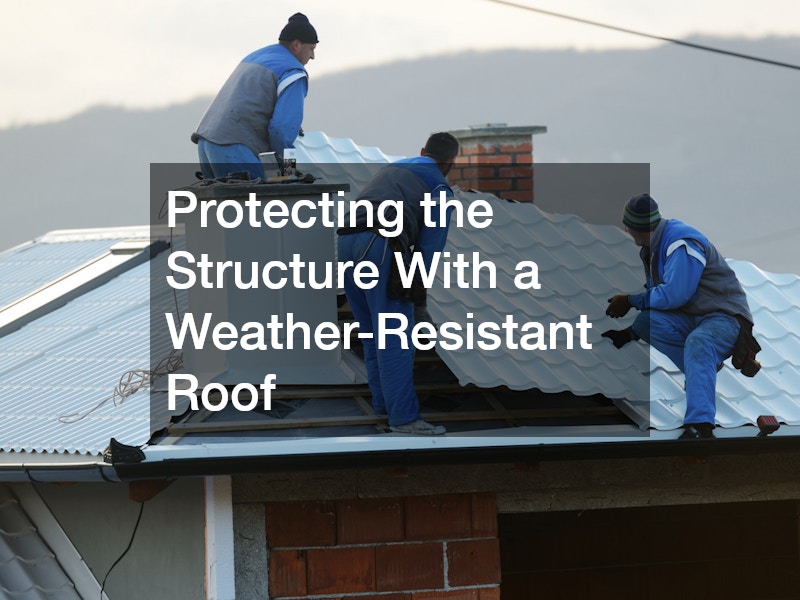
If your outdoor living space includes any kind of roofed structure, whether a pergola, covered porch, or attached patio cover, the roofing material needs to withstand sun, wind, and precipitation without deteriorating quickly. Working with experienced roofers ensures the covering is properly flashed where it meets your home, preventing leaks that could damage both the new structure and existing walls. Metal roofing has become popular for outdoor structures because it sheds snow and rain efficiently while lasting decades with minimal upkeep.
Ventilation and slope matter just as much as material choice when it comes to roof longevity. A roof that is too flat can allow water to pool, while inadequate ventilation can trap heat and moisture underneath, shortening the lifespan of the structure. Getting a professional assessment before construction helps match the right roofing system to your climate and structure type.
Finishing Enclosed Spaces With Durable Doors and Cabinetry
For three-season rooms, enclosed lanais, or outdoor kitchens, the finishing details make a significant difference in both function and durability. Custom doors designed for exterior use can withstand humidity and temperature swings far better than standard interior doors, while also improving energy efficiency when the space is climate controlled. Sliding or bifold styles are especially popular for connecting indoor and outdoor living areas seamlessly.
Storage is another detail that often gets overlooked until the space is already built. Weather-resistant cabinets designed specifically for outdoor kitchens or patios use materials like marine-grade polymer or stainless steel to resist warping, rust, and fading. Choosing the right finishes upfront saves you from replacing swollen or discolored storage units within just a few years.
- Choose marine-grade or powder-coated materials for outdoor cabinetry
- Select doors with weatherstripping to reduce drafts and moisture intrusion
- Consider insulated glass doors for enclosed, climate-controlled spaces
- Match hardware finishes to withstand humidity without corroding
Creating an outdoor living space that performs through every season takes more than good furniture and a nice grill, it requires thoughtful choices in materials, structure, and systems from the ground up. By addressing drainage, shade, climate control, and durable finishes early in the planning process, you avoid costly fixes down the road and gain a space you can actually use year-round. Start by evaluating which elements matter most for your climate and lifestyle, then bring in the right professionals to help you execute the plan properly. A well-built outdoor space is an investment that pays off in comfort, home value, and everyday enjoyment for years to come.