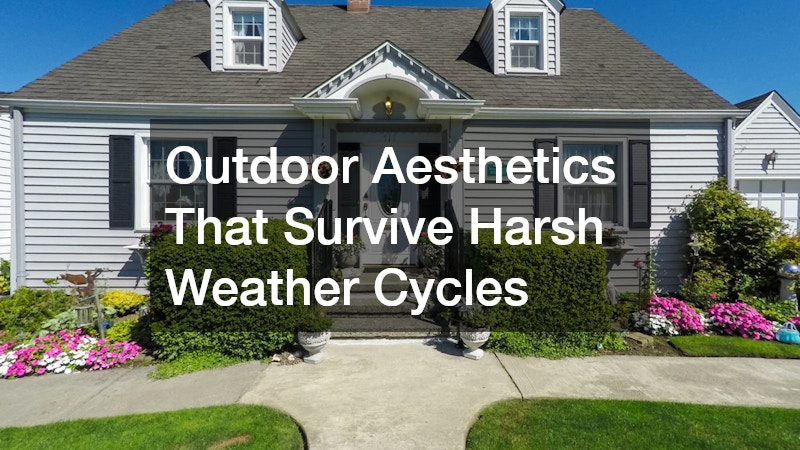

Every season leaves its mark on the outside of your home, from scorching summer sun to ice storms that test every seam and joint. Homeowners who want curb appeal that actually lasts have to think beyond paint colors and landscaping trends and consider how materials and systems perform under repeated stress. The good news is that a weather-resilient exterior does not require constant babysitting once the right choices are made. This guide walks through the key exterior elements that hold up best against harsh weather cycles, and what to look for when upgrading or maintaining them.
Protecting Your Roofline From Temperature Swings
Your roof absorbs more punishment than almost any other part of your home, expanding in summer heat and contracting in freezing temperatures. Over years of these cycles, shingles can curl, crack, or lose granules, which shortens their lifespan and opens the door to leaks. Choosing materials rated for your specific climate zone makes a measurable difference in how well your roof survives decades of freeze-thaw stress.
Working with experienced roofers before small issues become major repairs is one of the smartest investments a homeowner can make. A professional inspection can catch flashing that has pulled away or underlayment that has degraded long before a storm turns it into a bigger problem.
- Schedule a roof inspection twice a year, ideally in spring and fall
- Ask about impact-resistant shingle ratings if you live in a hail-prone area
- Check attic ventilation, since poor airflow accelerates shingle wear
- Replace damaged flashing promptly to prevent water intrusion
Keeping Water Moving Away From Your Foundation
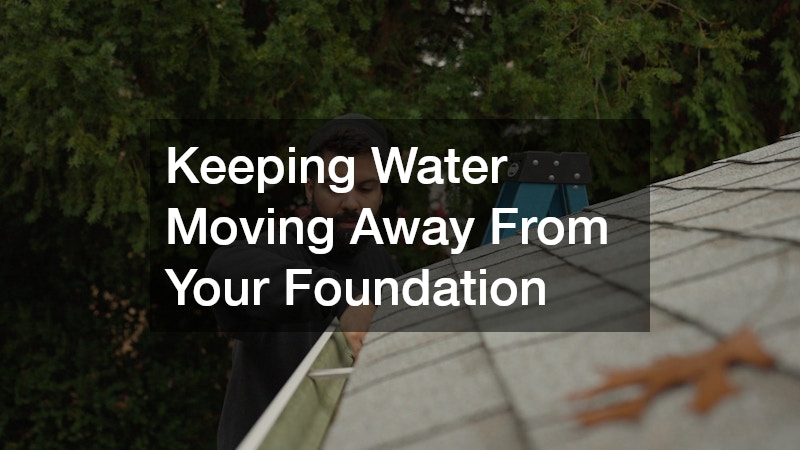
Heavy rain and rapid snowmelt put enormous pressure on a home’s drainage system, and when that water has nowhere to go, it pools near the foundation and causes long-term structural damage. Properly functioning gutters are the first line of defense against this kind of water damage, channeling runoff away from siding, windows, and landscaping beds.
Many homeowners wait until they see visible sagging or water stains before addressing their gutters, but proactive gutter installation before the rainy season hits can prevent thousands of dollars in repairs. Seamless aluminum or steel systems tend to handle temperature swings better than older segmented styles, since fewer joints mean fewer places for leaks to form.
- Clean gutters at least twice a year to prevent clogging from leaves and debris
- Add gutter guards if your property has heavy tree cover
- Ensure downspouts direct water at least five feet away from the foundation
- Check for sagging sections, which indicate improper slope or worn hangers
Choosing Fencing That Holds Up Season After Season
Fencing takes a beating from wind, humidity, and UV exposure, and wood fences in particular are prone to warping, splintering, and rot if not properly sealed. For homeowners who want a lower-maintenance alternative, metal fence supplies offer a durable option that resists rust, warping, and pest damage far better than traditional wood.
When selecting fencing materials, consider not just appearance but how the coating and finish will perform in your regional climate. Powder-coated aluminum and galvanized steel both hold up well against coastal salt air and inland freeze-thaw cycles alike, making them popular choices for homeowners tired of yearly repainting or staining.
- Look for finishes with UV inhibitors to prevent fading
- Choose galvanized or powder-coated steel in humid or coastal climates
- Inspect posts annually for rust or loosening at the base
- Consider height and spacing requirements based on local zoning rules
Managing Sun Exposure on Patios and Decks
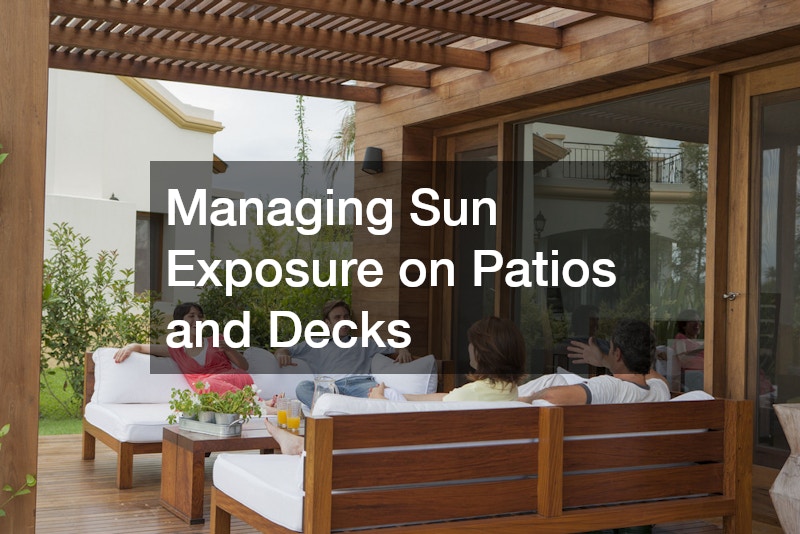
Outdoor living spaces are only enjoyable if they are usable, and relentless sun exposure can make a patio unbearable during peak summer months while also fading furniture and flooring finishes. Installing outdoor solar shades is one of the most effective ways to control heat and glare without sacrificing airflow or the open feel of a patio.
These shades also protect wood decking and outdoor furnishings from UV degradation, which extends the life of everything underneath them. Many homeowners find that adding retractable versions gives them flexibility, allowing full sun exposure in cooler months and shade coverage during peak summer heat.
- Choose shade fabrics with a high UV protection rating for maximum durability
- Consider motorized options for ease of daily adjustment
- Look for weather-resistant hardware that will not corrode outdoors
- Measure carefully to ensure full coverage of exposed seating areas
Selecting Flooring That Withstands Moisture and Foot Traffic
Transitional spaces like covered porches, sunrooms, and mudrooms often deal with more moisture and grit than interior rooms, which means flooring choices need to be tougher than standard hardwood or carpet. Many homeowners are turning to a luxury vinyl flooring company for these areas because the material resists water damage, scratching, and temperature-related warping far better than natural wood.
Beyond durability, modern vinyl flooring options come in styles that convincingly mimic stone, tile, or hardwood, so homeowners do not have to sacrifice aesthetics for resilience. This makes it a practical choice for entryways and outdoor-adjacent rooms that see constant exposure to dirt, moisture, and shifting temperatures throughout the year.
- Look for waterproof cores rather than just water-resistant surfaces
- Check the wear layer thickness for high-traffic durability
- Choose textured finishes to reduce slipperiness when wet
- Confirm the product is rated for temperature fluctuations if used in semi-outdoor spaces
Maintaining Lawns and Landscaping Through Extreme Conditions
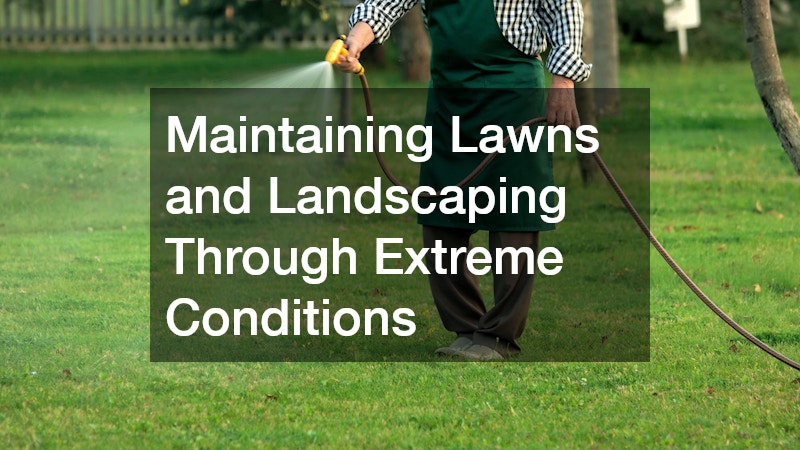
A healthy lawn is more resilient to drought, heavy rain, and temperature extremes than one that is already stressed or malnourished. Consistent lawn fertilization builds stronger root systems that can better withstand dry spells and recover faster after storms or heavy foot traffic.
Timing matters just as much as the fertilizer itself, since applying nutrients at the wrong point in the growing season can do more harm than good. Homeowners should pay attention to their specific grass type and regional climate patterns rather than following a generic schedule.
- Fertilize cool-season grasses in early spring and fall
- Fertilize warm-season grasses in late spring through summer
- Avoid fertilizing right before heavy rain to prevent runoff waste
- Test soil every couple of years to adjust nutrient balance accurately
Preventing Plumbing and Irrigation Failures Outdoors
Outdoor plumbing systems, especially irrigation lines, are particularly vulnerable to freeze damage and pressure fluctuations caused by seasonal temperature swings. Water left sitting in exposed pipes can expand as it freezes, cracking fittings and splitting PVC lines that then fail the moment the system is turned back on in spring. A cracked line or malfunctioning valve can waste water for weeks before anyone notices, driving up bills and stressing the surrounding landscape with waterlogged patches or unexpectedly dry spots. Scheduling sprinkler repair at the start of each season helps catch broken heads, leaks, or misaligned zones before they cause bigger problems. A thorough seasonal check should include testing each zone individually, inspecting heads for clogged nozzles or tilted spray patterns, and checking backflow preventers for proper function since these are often required by local code. It’s also worth checking water pressure at the valve, since pressure that’s too high can blow out fittings while pressure that’s too low signals a hidden leak somewhere in the line. Beyond routine inspections, insulating exposed pipes and shutting off outdoor water sources before the first hard freeze can prevent the majority of cold-weather failures. Draining the system fully in fall, rather than just shutting off the water supply, removes the residual moisture that causes the most damage during winter freeze-thaw cycles.
It is also worth having a local plumber inspect outdoor spigots, backflow preventers, and any exposed piping before the first hard freeze of the year. A professional can spot vulnerabilities you might miss, like a hairline crack in a hose bib or a backflow preventer that’s no longer draining properly, and address them while temperatures are still mild enough to work outside comfortably. Beyond the inspection itself, a few simple precautions in fall can prevent burst pipes and costly water damage once temperatures drop. Disconnect and drain garden hoses, shut off interior valves that feed outdoor faucets, and install foam insulation covers on any spigots that will stay exposed through winter. For sprinkler systems, a blowout using compressed air removes residual water from the lines, since even a small amount left behind can freeze, expand, and crack fittings or valves. Timing matters too: most plumbers recommend completing this work once nighttime temperatures start dipping into the mid-30s consistently, rather than waiting for the season’s first hard freeze warning. Homeowners in regions with unpredictable early cold snaps may want to schedule this inspection as early as late September to avoid being caught off guard.
- Drain and shut off irrigation systems before the first freeze, typically when nighttime temps threaten to drop below 32°F
- Use an air compressor to blow out remaining water from irrigation lines, preventing pipe bursts from ice expansion
- Insulate exposed outdoor pipes and hose bibs with foam sleeves or heat tape, especially in zones with sudden cold snaps
- Disconnect and drain garden hoses before storing them for winter to avoid cracking
- Check sprinkler heads each spring for cracks, clogs, or misalignment caused by ground freeze-thaw cycles
- Run a full test cycle on each irrigation zone to catch leaks, weak pressure, or uneven coverage early
- Test backflow preventers annually to meet local code requirements and protect potable water supplies
- Schedule a professional inspection if your municipality requires certified testing documentation
Keeping Exterior Surfaces Clean Between Weather Events
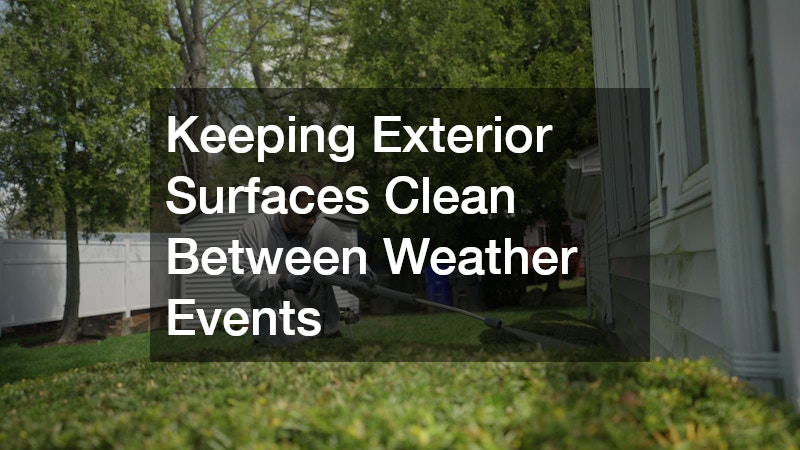
Dirt, pollen, algae, and mineral deposits build up on siding, walkways, and outdoor furniture faster than most homeowners realize, and this buildup can trap moisture against surfaces and accelerate wear. Routine house cleaning on the exterior, including pressure washing siding and walkways, removes these damaging deposits before they cause staining or material breakdown.
Regular cleaning also gives homeowners a chance to spot small problems early, like hairline cracks in concrete or loose siding panels, while they are still easy and inexpensive to fix. Waiting until visible damage appears usually means the underlying issue has already been developing for months.
- Pressure wash siding and walkways at least once a year
- Clean outdoor furniture and cushions before storing them seasonally
- Inspect surfaces for mold or algae growth in shaded, damp areas
- Address stains promptly before they set into porous materials
Planning Larger Exterior Projects With the Right Professional
Some exterior upgrades, especially those involving structural changes, multiple trades, or permits, go more smoothly with a general contractor coordinating the work. Projects like re-siding a home while regrading the yard, or replacing a roof alongside new fencing and hardscaping, often require several specialists working in a particular sequence. Trying to manage separate crews for roofing, fencing, and drainage work independently can lead to scheduling conflicts and inconsistent results. A drainage crew that finishes before the grading is corrected, for example, can end up redoing work once the landscaper identifies runoff issues. A general contractor also handles the paperwork that homeowners often underestimate, including permit applications, inspection scheduling, and code compliance documentation. This matters most on projects that alter drainage patterns, add square footage, or change load-bearing structures, since inspectors will want to see that each trade’s work meets local standards before the next phase begins. Beyond logistics, a good contractor brings a broader view of how materials and finishes will hold up together over time. They can flag mismatches early, such as a fence material that won’t weather at the same rate as new siding, before those choices become expensive to correct.
A good contractor can also help homeowners sequence projects logically, ensuring that drainage and structural work happens before cosmetic upgrades like flooring or fencing are installed. Grading and gutter improvements, for instance, should come first, since water that isn’t properly directed away from the home will undermine patios, damage fence posts, and erode soil beneath new walkways within a season or two. This kind of planning protects the investment homeowners make in weather-resistant materials by making sure the underlying systems are sound first. A contractor might recommend addressing foundation cracks or repairing a damaged retaining wall before installing composite decking, since skipping these steps often means redoing finished work within a few years. Sequencing also matters for permitting and inspections. Many municipalities require drainage or structural changes to pass inspection before a permit for surface-level work, like a new patio or fence, can even be approved. An experienced professional will know the typical order of operations in your area and can build a realistic timeline, often spanning several months, that accounts for weather windows, material lead times, and inspection scheduling. Finally, a knowledgeable contractor can help homeowners prioritize spending. If budget constraints mean the entire project can’t happen at once, they can identify which phases, such as regrading a slope or upgrading flashing, are non-negotiable now, and which cosmetic elements can reasonably wait until next season.
- Get 3-4 quotes before committing to a large exterior project, and compare scope, materials, and warranty terms—not just price
- Verify licensing and insurance before signing any contract, and call the insurer directly to confirm coverage is active
- Ask for a project timeline that accounts for weather delays, including a buffer window for your region’s rainy or freeze season
- Request references from past clients with similar project scope, ideally installations at least two years old to gauge durability
- Confirm who handles permits and inspections, since exterior projects like decks or retaining walls often require local approval
- Ask what happens if weather damages incomplete work, and whether that risk falls on the contractor or the homeowner
Building an exterior that can withstand harsh weather cycles is less about chasing trends and more about making informed, durable choices across every system, from the roof down to the lawn. Small, consistent maintenance efforts paired with the right materials can save homeowners significant time and money over the years. Start by identifying which areas of your property show the most wear, then tackle upgrades in order of urgency and impact. Taking this measured approach will keep your home looking good and functioning well no matter what the seasons bring.