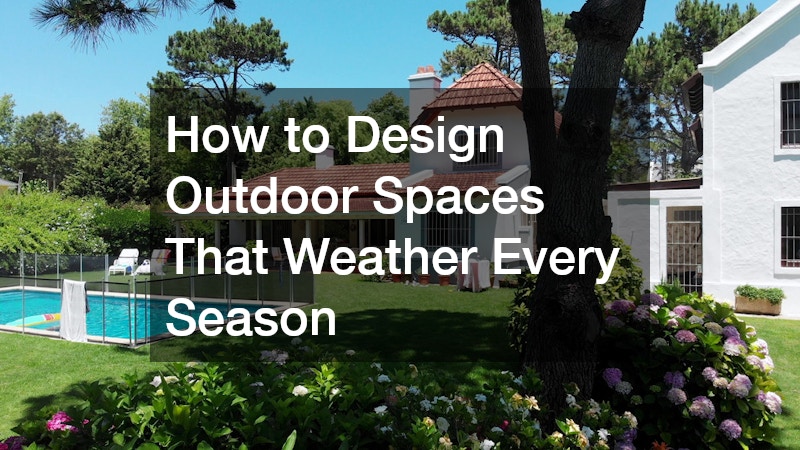

A backyard that looks great in June but turns into a muddy, wind-battered mess by January isn’t really finished. Designing outdoor spaces that hold up through heat, freeze-thaw cycles, heavy rain, and high winds takes more than picking pretty furniture and plants. It means thinking about drainage, materials, structural integrity, and long-term maintenance from the very start. This guide walks through the key elements homeowners should consider before breaking ground on a four-season outdoor living space.
Grading and Drainage Before Any Construction Begins
Before you buy a single plant or paver, figure out where water goes when it rains hard. Poor grading is the root cause of most soggy lawns, cracked patios, and foundation problems, and it only gets worse as landscaping is added on top of it. A property that slopes toward the house, or has low spots that collect standing water, needs correction before any other outdoor project moves forward.
If your yard has any significant elevation change, retaining wall contractors can help you manage runoff while creating usable, level space for patios, gardens, or play areas. A well-built retaining wall does more than look tidy; it controls erosion, redirects water away from structures, and prevents soil from shifting after heavy storms. Skipping this step often means redoing expensive hardscaping a few years down the road.
- Watch where water pools after a heavy rain and mark those spots
- Slope soil away from your home’s foundation at a minimum of 2 percent grade
- Consider French drains or dry wells for chronically wet areas
- Ask about tiered retaining walls if your lot has a steep grade change
Choosing Decking and Patio Materials That Survive Freeze-Thaw Cycles
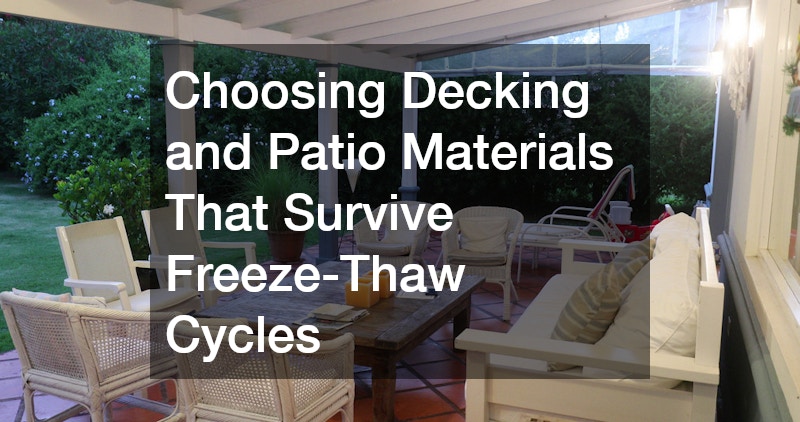
Not every decking or paving material handles seasonal extremes the same way. Wood expands and contracts with moisture, composite materials resist rot but can get hot in direct sun, and natural stone can crack if water seeps in and freezes. Choosing the right material for your climate zone is one of the biggest factors in how long an outdoor space actually lasts.
Experienced deck builders can walk you through the tradeoffs between pressure-treated lumber, cedar, and composite boards, factoring in your region’s humidity, snow load, and temperature swings. A properly built deck also needs adequate spacing between boards and proper flashing where it meets the house, both of which prevent water from pooling and causing rot underneath. Cutting corners on these details tends to show up as warped boards or soft spots within just a few seasons.
- Composite decking resists moisture but can fade over time in intense sun
- Pressure-treated wood is budget-friendly but needs annual sealing
- Natural stone patios need proper base compaction to prevent heaving
- Ask about warranty coverage for freeze-thaw related cracking or splitting
Protecting Your Roofline and Gutters From Seasonal Storm Damage
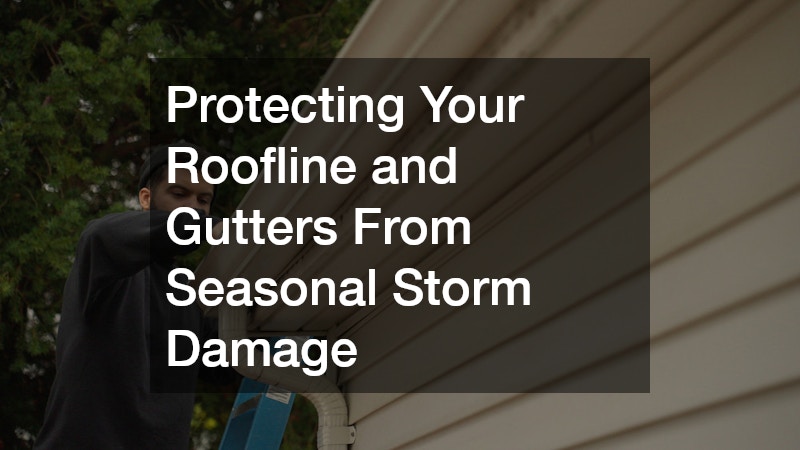
Outdoor living spaces don’t exist in isolation from the rest of your house, and your roof plays a bigger role in your yard’s health than most people realize. Overflowing gutters dump water directly onto patios, decks, and landscaping beds, eroding soil and staining hardscaping over time. A roofer can inspect flashing, gutters, and downspouts to make sure water is being directed well away from outdoor living areas rather than straight into them.
Seasonal storms, hail, and heavy snow loads can also loosen shingles or damage soffits, which then allows water infiltration that eventually shows up as stains or leaks near covered patios and porches. Scheduling a roof inspection twice a year, ideally in spring and fall, catches small issues before they become expensive repairs. This is especially important if your outdoor space includes a covered structure attached to the house.
- Clean gutters at least twice a year to prevent overflow onto patios
- Extend downspouts at least four to six feet away from outdoor living areas
- Check for loose or missing shingles after major wind events
- Inspect flashing around any attached pergolas or covered porches
Keeping Trees and Landscaping Healthy Through Storm Season
Mature trees add shade, privacy, and value to a property, but they also pose real risks during high winds and ice storms if they’re not properly maintained. Weak limbs, overgrown canopies, and roots that have outgrown their space can all become liabilities during severe weather. A tree service can assess the health and structural stability of your trees, removing dead branches before they become falling hazards.
Beyond safety, thoughtful tree placement can actually help regulate your outdoor space’s microclimate, providing shade in summer and windbreak in winter once leaves drop. Root systems near patios or retaining walls should also be monitored, since aggressive roots can crack hardscaping or interfere with drainage systems over time. Regular pruning and health checks keep trees looking good while reducing the odds of costly storm damage.
- Schedule tree inspections annually, especially before hurricane or storm season
- Remove deadwood promptly to reduce breakage risk in high winds
- Plant windbreak trees on the side of prevailing winter winds
- Keep root systems at least ten feet from retaining walls and foundations
Planning Pool and Water Feature Placement for Year-Round Use
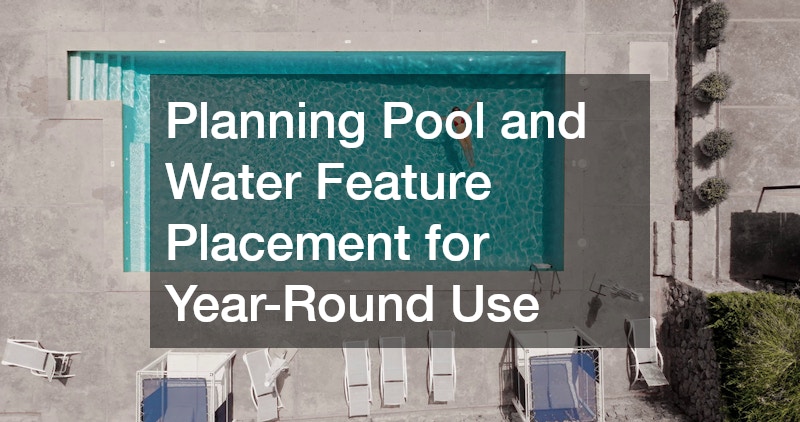
A pool can be a fantastic centerpiece for outdoor living, but its placement, construction, and equipment all need to account for seasonal shifts if you want to get years of reliable use out of it. Luxury pool builders who understand your regional climate can recommend features like automatic covers, variable-speed pumps, and freeze protection systems that keep a pool functional and protected during colder months. Positioning also matters, since pools placed in low-lying areas are more prone to flooding and runoff contamination during heavy rains.
Beyond the pool itself, surrounding hardscaping needs to handle splashing, freeze-thaw cycles, and constant sun exposure without becoming slippery or cracked. Many homeowners are now incorporating spas, fire features, and covered lounge areas into their pool designs specifically to extend usability into cooler months. Thinking through these details at the design stage avoids expensive retrofits later.
- Install freeze protection on pool equipment in regions with hard winters
- Choose slip-resistant decking materials for pool surrounds
- Consider a pool cover system to reduce debris and heat loss
- Add a fire feature or heater to extend outdoor swim season
Selecting Countertops and Surfaces for Outdoor Kitchens
Outdoor kitchens have become a popular addition, but not every countertop material can handle direct sun, temperature swings, and moisture exposure. Natural stone options like granite hold up well outdoors, while some engineered materials require more careful selection for exterior use. Many homeowners are surprised to learn that quartz countertops, while extremely popular indoors, need to be chosen carefully for outdoor applications since prolonged UV exposure can cause discoloration in certain formulations.
If you do want the look of engineered stone outside, ask suppliers specifically about UV-stabilized or outdoor-rated quartz countertops designed to resist fading and heat damage. Pairing the right countertop with stainless steel appliances and proper drainage underneath your outdoor kitchen structure will keep the space functional through every season. Covered kitchen areas also help extend the life of any surface material by reducing direct sun and rain exposure.
- Choose UV-stabilized materials for any countertop in direct sunlight
- Add a roof or pergola over outdoor kitchens to reduce weathering
- Seal natural stone countertops annually to prevent staining
- Use stainless steel or marine-grade hardware to resist rust
Managing Outdoor Plumbing and Irrigation Through Temperature Extremes
Outdoor kitchens, pools, and irrigation systems all rely on plumbing that’s exposed to the elements in ways indoor systems never are. A licensed plumber can properly install shutoff valves and insulation for any exterior plumbing lines, which is essential in regions where temperatures drop below freezing. Burst pipes from an unexpected freeze are one of the most common and preventable outdoor plumbing failures homeowners face.
Irrigation systems also need seasonal attention, from spring startup checks to a thorough fall winterization that clears water from the lines before the first freeze. Skipping winterization can crack pipes and damage sprinkler heads, leading to costly repairs and wasted water once the system is turned back on. Setting a seasonal maintenance calendar for all outdoor plumbing keeps small issues from turning into major repairs.
- Insulate exposed outdoor pipes before the first hard freeze
- Winterize irrigation systems by blowing out water from the lines
- Install frost-free hose bibs for winter convenience
- Schedule a spring startup check for sprinkler systems
Preventing Moisture Damage in Covered and Enclosed Outdoor Areas
Screened porches, covered patios, and outdoor storage structures can trap humidity if they aren’t properly ventilated, creating conditions where mold and mildew thrive. This is especially common in warm, humid climates or after heavy rainy seasons when moisture lingers in shaded, enclosed spaces. If you notice a musty smell or discoloration on outdoor furniture, cushions, or ceiling materials, it’s worth calling in mold remediation specialists before the problem spreads further.
Good ventilation, proper drainage away from covered structures, and moisture-resistant building materials all reduce the risk of mold taking hold in the first place. Ceiling fans in covered porches help keep air moving, while gutters and downspouts should always direct water away from these structures rather than allowing it to pool nearby. Catching moisture problems early is far less expensive than remediating an established infestation.
- Use mold-resistant drywall or ceiling materials in covered outdoor spaces
- Install ceiling fans to improve air circulation on porches
- Check for musty odors after extended periods of rain
- Keep gutters clear so water doesn’t pool near covered structures
Timing Outdoor Renovations Around Seasonal Contractor Availability
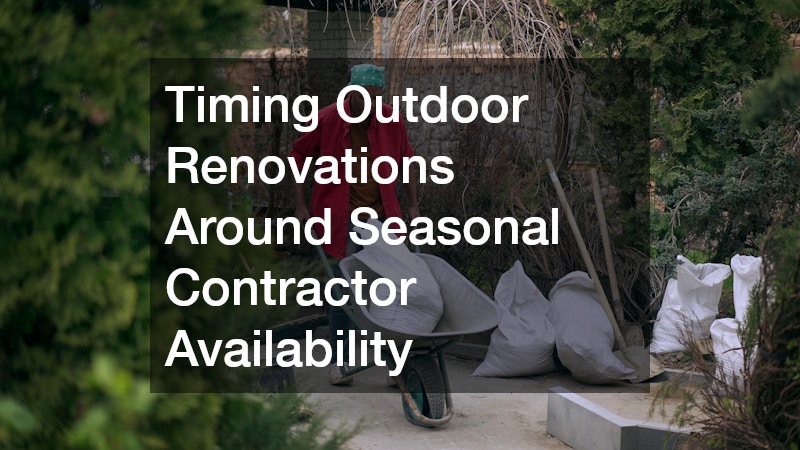
Many homeowners don’t realize that timing a renovation project around seasonal demand can affect both cost and quality. Spring and early summer are the busiest seasons for most outdoor contractors, which can mean longer wait times and higher prices compared to booking work in the fall or winter off-season. Planning major projects like new decking, retaining walls, or pool installations a season ahead of when you want to use the space gives you more flexibility in scheduling.
If you’re planning a larger renovation that involves temporarily relocating furniture, equipment, or even living arrangements during construction, it’s worth researching moving companies early so you’re not scrambling once work begins. This is particularly relevant for major backyard overhauls that require heavy equipment access or extended construction timelines. Booking services in advance, whether it’s a contractor or a moving crew, tends to result in smoother project execution overall.
- Book major outdoor projects in fall or winter for better contractor availability
- Order materials early to avoid seasonal supply shortages
- Plan temporary storage solutions if construction will block yard access
- Confirm project timelines account for weather delays
Maintaining Climate Control for Attached Outdoor Living Structures
Sunrooms, three-season porches, and other structures attached to the home sometimes include heating, cooling, or ventilation systems to make them usable in more extreme weather. An HVAC company can help determine whether a mini-split system, ductless heat pump, or extension of your existing ductwork makes the most sense for a semi-outdoor space. Improperly sized or installed systems in these transitional spaces often struggle to keep up with temperature swings, leading to wasted energy and discomfort.
Ventilation is just as important as heating and cooling in these spaces, since poor airflow contributes to both temperature problems and moisture buildup. Working with a professional to properly size equipment for the square footage and insulation level of the space prevents the system from running constantly without actually maintaining comfort. This upfront planning pays off in lower energy bills and a more usable space across all four seasons.
- Choose ductless mini-splits for spaces not connected to central HVAC
- Insulate walls and ceilings properly before adding climate control
- Size equipment based on square footage and window exposure
- Schedule annual maintenance to keep systems running efficiently
Building an outdoor space that genuinely holds up through every season takes planning across drainage, materials, structural work, and ongoing maintenance rather than a single quick fix. Start by addressing the fundamentals like grading and drainage, then work outward toward the features that make the space enjoyable, such as kitchens, pools, or covered lounges. Bringing in the right professionals at each stage, from contractors to specialized service providers, helps you avoid costly mistakes and extends the life of your investment. With the right planning now, your outdoor space can stay functional, safe, and enjoyable no matter what the forecast brings.