

You can repaint the walls, swap the furniture, and add fresh decor, but true home comfort starts in places you rarely see. The systems tucked behind drywall, under floors, and above ceilings quietly control your temperature, air quality, water flow, and safety every single day. When homeowners understand what these hidden systems do and how to maintain them, they save money, avoid emergencies, and enjoy a home that actually feels good to live in. This guide breaks down the most important behind-the-scenes systems and what they mean for your everyday comfort.
The Roof That Protects Everything Underneath
Your roof is the first line of defense against weather, and its condition affects insulation, moisture control, and even indoor air quality. A roof with aging shingles, cracked flashing, or hidden leaks can let moisture seep into attic insulation, reducing its effectiveness and driving up energy bills. Many homeowners do not notice roof problems until water stains appear on ceilings, which usually means damage has already been happening for months.
Scheduling a professional inspection at least once a year helps catch small issues before they become expensive repairs. A licensed roofer can identify problems that are invisible from the ground, such as lifted shingles, deteriorated underlayment, or ventilation gaps that trap heat in summer.
- Check for missing, curling, or cracked shingles after major storms
- Look inside the attic for daylight, moisture, or musty odors
- Clean gutters regularly to prevent water backup under roofing materials
- Replace flashing around chimneys and vents before it rusts through
Electrical Wiring You Never See but Always Rely On
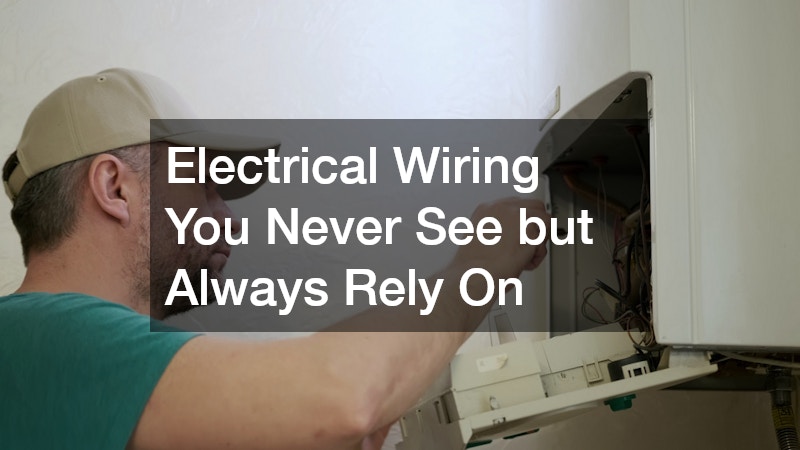
Behind every light switch and outlet is a network of wiring that was likely installed decades ago, especially in older homes. Outdated electrical systems struggle to keep up with modern demands like multiple devices, HVAC systems, and kitchen appliances running at once. This strain can lead to tripped breakers, flickering lights, or in worse cases, overheating wires hidden inside walls.
Routine electrical inspections give homeowners a clear picture of what is happening behind the scenes before small issues become safety hazards. An inspection typically covers panel capacity, grounding, outlet condition, and any signs of wear on wiring insulation.
- Warm outlet covers or a persistent burning smell should never be ignored
- Frequent breaker trips often signal an overloaded circuit
- Homes older than 30 years may still have outdated wiring types
- Adding major appliances often requires a panel capacity review
The Water Heater Working Quietly in the Background
Few homeowners think about their water heater until a cold shower reminds them it exists. This appliance works continuously to keep water at a comfortable temperature, and its efficiency directly affects both comfort and monthly utility costs. Sediment buildup, a failing thermostat, or an aging tank can all reduce performance long before a total breakdown occurs.
Most water heaters last between eight and twelve years, depending on maintenance and water quality in your area. Flushing the tank annually removes mineral deposits that reduce efficiency and shorten the unit’s lifespan.
- Rusty water or unusual noises from the tank often indicate sediment buildup
- Inconsistent water temperature can point to a failing heating element
- Setting the thermostat to around 120 degrees balances comfort and safety
- Tankless models offer more efficiency but require different maintenance routines
What Happens When Water Gets Where It Shouldn’t

Water intrusion is one of the most damaging things that can happen to a home, and it often starts in places that are hard to see, like behind baseboards, under flooring, or inside wall cavities near plumbing lines. Common culprits include slow pipe leaks, failed roof flashing, and window seals that have worn thin over time. By the time a stain appears on a ceiling or a floorboard starts to feel soft, the damage below the surface is usually far more extensive.
Left untreated, moisture creates the perfect environment for mold growth, wood rot, and structural weakening. Mold spores can begin colonizing damp material in as little as 24 to 48 hours, and once established, they’re notoriously difficult and expensive to fully remove. Wood-framed structures are especially vulnerable, since prolonged dampness softens framing members and can compromise the load-bearing integrity of floors and walls.
Even a small, slow leak can cause thousands of dollars in damage if it goes unnoticed for weeks or months. A pinhole leak dripping just a cup of water a day can add up to over 20 gallons a month, quietly soaking insulation and subflooring the entire time. Homeowners who catch these issues early — through routine inspections or simply noticing a musty smell — often spend a fraction of what a full remediation project would cost.
When water damage repair becomes necessary, acting quickly makes a significant difference in the final cost and the extent of the damage. Within the first 24 to 48 hours, standing water begins soaking into drywall, insulation, and subflooring, creating conditions where mold can start forming in as little as two to three days.
Professionals assess not just visible damage but also moisture trapped inside walls and subfloors that standard drying methods might miss. They use moisture meters and infrared cameras to detect dampness hidden behind finished surfaces, since a wall can look dry while the material behind it stays saturated for weeks.
This distinction matters because untreated moisture pockets lead to secondary problems: warped framing, corroded fasteners, and musty odors that resist cleaning. A thorough assessment also considers the water’s source and classification, since water from a burst pipe is treated differently than water backed up from a sewer line. Getting this evaluation right upfront often prevents a small repair from turning into a much larger, more expensive reconstruction project down the road.
- Warped flooring, buckling laminate, or peeling/bubbling paint often signal hidden moisture behind walls or under subfloors
- Musty smells are often the first sign of mold before it becomes visible, especially in basements, closets, or behind furniture pushed against exterior walls
- Check under sinks, around appliances, and near water heaters monthly for slow leaks — a flashlight and dry paper towel test can catch drips before they stain
- Watch for discolored or soft drywall, which can mean moisture has been present for weeks rather than days
- Address water stains on ceilings immediately rather than waiting, since they usually point to a roof, plumbing, or HVAC condensation issue that worsens over time
- Consider a $20-30 moisture meter for a quick way to check suspicious spots without cutting into walls
Bathrooms Built for Comfort, Not Just Looks
Bathrooms take a beating from daily humidity, temperature changes, and constant water exposure, which makes their hidden components especially important. Ventilation, plumbing lines, and subfloor materials all work together to keep the space comfortable and free from moisture problems. A bathroom that looks fine on the surface can still have ventilation issues that trap humidity and encourage mold growth behind tile.
A thoughtful bathroom remodel often addresses more than aesthetics by improving exhaust fans, upgrading plumbing lines, and reinforcing water-resistant flooring. These upgrades reduce long-term maintenance headaches while making the space more comfortable to use every day.
- Poor ventilation is a leading cause of hidden mold behind tile and drywall
- Older plumbing lines may need replacement during larger renovations
- Water-resistant subflooring prevents long-term structural damage
- Proper exhaust fan sizing matters more than most homeowners realize
Outdoor Living Spaces That Need Structural Attention Too

Decks and patios are extensions of your living space, but their comfort and safety depend on what is happening beneath the surface boards. Moisture, temperature swings, and structural wear can weaken support beams long before visible cracks appear. Many homeowners are surprised to learn that deck failures are often linked to hidden rot rather than obvious damage.
Working with an experienced composite deck builder can help homeowners choose materials that resist moisture, fading, and warping better than traditional wood. Composite materials also require less ongoing maintenance, which makes them a practical choice for busy households.
- Check support posts and joists for soft spots or discoloration
- Composite decking resists splintering and moisture absorption
- Proper spacing between boards prevents water pooling
- Annual inspections help catch structural issues before they worsen
The Landscape Systems That Support Your Home’s Foundation
The trees and soil surrounding your home play a bigger role in comfort and structural health than most people realize. Overgrown branches can damage roofing, siding, and gutters, especially during storms when wind-whipped limbs scrape shingles or clog drainage systems with debris. Root systems, meanwhile, can interfere with foundations and underground pipes, sometimes cracking concrete or infiltrating sewer lines in search of moisture.
Certain species pose more risk than others. Fast-growing trees like willows, silver maples, and cottonwoods have aggressive root systems that can extend two to three times the height of the tree, making proximity to a home’s foundation or septic system a real concern. Homeowners should also watch for signs of stress—leaning trunks, exposed roots, or dead branches—that signal a tree may become a hazard during high winds.
Regular tree services help manage this risk by trimming branches away from structures, thinning canopies to reduce wind resistance, and identifying trees that may pose a future hazard. Professional arborists can also assess root proximity to foundations and recommend barriers or selective removal when necessary. Scheduling an inspection every one to two years catches problems early, before a single storm turns a landscaping issue into an expensive repair.
Beyond trees, ground cover materials affect moisture control and soil erosion around your foundation. Grading matters just as much as plant choice—soil should slope away from the house at roughly a two-inch drop per foot for the first ten feet to prevent water from pooling against the walls.
Mulch plays a bigger role here than most homeowners realize. Many landscaping professionals use a bark dust blower to apply mulch evenly across garden beds, achieving a consistent two-to-three-inch layer that regulates soil temperature and retains moisture during dry months. This even distribution also matters for drainage, since clumped or uneven mulch can create channels that funnel water toward the foundation instead of away from it.
The type of mulch matters too. Organic options like bark or wood chips break down over time, enriching soil but requiring reapplication every year or two, while inorganic materials like gravel or rubber mulch last longer but do less to moderate soil temperature. Choosing the right combination of grading, ground cover, and mulch keeps excess moisture away from your home’s foundation year-round.
- Trim branches that hang within ten feet of the roofline to prevent gutter clogs and roof damage during high winds
- Remove dead or leaning trees before storm season, especially any within falling distance of the house
- Mulch beds help prevent soil erosion near foundation walls by slowing runoff during heavy rain
- Keep mulch depth between two and three inches—too much can trap moisture against siding and invite rot
- Even mulch application improves water retention for plant roots while reducing weed growth near the home
- Grade soil so it slopes away from the foundation at roughly a six-inch drop over ten feet to redirect water flow
Pools and Painted Surfaces That Reflect Long-Term Care

A pool that looks fine from a distance can hide surface issues like cracking, staining, or rough texture that affect both comfort and safety. Over time, plaster and surface coatings wear down from chemical exposure and constant use, creating an environment that feels less inviting even if the water itself is clean. A pool resurfacing contractor can restore a smooth, safe swimming surface while addressing small cracks before they become larger structural concerns.
Exterior surfaces face similar wear from sun, moisture, and temperature swings, which is why professional maintenance matters just as much outside the home. A skilled painting contractor does more than apply color, since proper surface preparation protects siding and trim from moisture intrusion. Fresh, well-applied paint acts as a protective barrier that extends the life of exterior materials.
- Rough pool surfaces can cause skin irritation and indicate deeper wear
- Cracks in pool plaster often lead to water loss over time
- Exterior paint should be inspected every few years for peeling or fading
- Proper prep work prevents moisture from getting trapped under paint
True home comfort is built from the inside out, starting with systems most homeowners never think about until something goes wrong. By paying attention to your roof, electrical wiring, plumbing, and outdoor structures, you can catch small issues early and avoid costly surprises. Take time this season to walk through your home with fresh eyes, checking the areas outlined above, and schedule professional inspections where needed. A little proactive attention today can mean a more comfortable, worry-free home for years to come.