

You replaced the countertops, repainted the walls, and maybe even added a new fixture or two, yet something still feels off every time you walk through the door. Comfort in a home rarely comes down to cosmetics alone; it is the result of dozens of systems working quietly in the background. When one of those systems is neglected, even the most beautifully updated house can feel drafty, damp, noisy, or just plain unwelcoming. This article walks through the overlooked culprits that keep homeowners from enjoying the upgrades they already paid for.
Outdated Flooring Undermines a Fresh Renovation
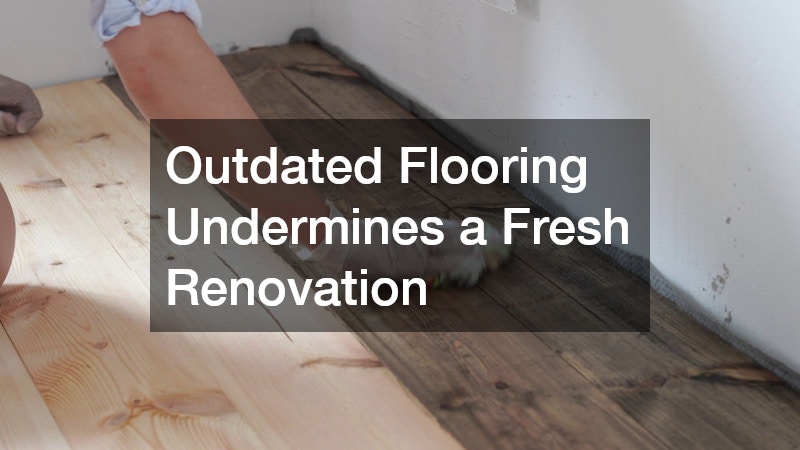
New paint and updated fixtures can only do so much when the floor beneath them is worn, uneven, or poorly insulated. Old flooring often traps cold air, creaks underfoot, and clashes with the newer finishes surrounding it, making a renovated room feel unfinished even when everything else is updated. Homeowners frequently underestimate how much flooring affects the temperature and acoustics of a space, especially over crawl spaces or slab foundations without proper underlayment.
A flooring replacement is often the missing piece that ties a remodel together, both visually and functionally. Modern flooring materials come with better insulation properties and moisture resistance, which directly improves comfort in rooms that previously felt cold or humid. Before blaming your HVAC system for an uncomfortable room, consider whether the floor itself is the actual source of the problem.
- Cold or drafty floors often point to missing insulation beneath older flooring
- Squeaky or uneven floors can signal subfloor damage that upgrades alone will not fix
- Moisture-resistant flooring options help reduce humidity-related discomfort in lower levels
Hidden Plumbing Issues Undermine Everyday Comfort
A house can look completely updated on the surface while still dealing with plumbing problems that quietly affect daily life. Slow drains, gurgling sounds, or musty odors near sinks and showers are often signs of a clogged drain line rather than a simple surface-level clog. These issues tend to worsen gradually, so many homeowners adjust to the inconvenience without realizing it is a fixable problem.
Left unaddressed, a partially blocked line can lead to backups, unpleasant smells, and even water damage that undermines the very upgrades you invested in. Getting the line professionally cleared and inspected can restore normal function and prevent a small nuisance from becoming a costly repair. Comfort is not only about temperature and aesthetics; it is also about a home that functions the way it should without daily friction.
- Slow-draining sinks or tubs in multiple rooms often indicate a shared line problem
- Gurgling toilets can be an early warning sign of blockage further down the system
- Recurring clogs despite regular cleaning usually mean a deeper, professional fix is needed
An Aging Roof Quietly Affects Indoor Climate
Many homeowners pour their renovation budget into kitchens, bathrooms, and living spaces while overlooking the roof, even though it plays one of the biggest roles in indoor comfort. A roof nearing the end of its lifespan, typically 20 to 25 years for standard asphalt shingles, often loses much of its ability to insulate and ventilate properly. That decline rarely announces itself with dramatic damage; it shows up instead as rooms that never quite feel right. An aging roof can allow heat to escape in winter and let it build up in the attic during summer, making upstairs rooms uncomfortable no matter how well the rest of the house is climate controlled.
Poor attic ventilation compounds the problem, trapping hot air that radiates down through ceilings and forces air conditioning systems to work harder. In colder months, the same gaps and worn underlayment let conditioned air slip out, driving up heating bills while rooms still feel drafty. Small leaks or damaged shingles can also introduce moisture that leads to musty smells and uneven humidity throughout the home.
Even a minor leak that never causes a visible stain can slowly saturate insulation, reducing its effectiveness by a significant margin and creating pockets of damp, humid air. Over time, this hidden moisture can encourage mold growth in attic spaces, affecting indoor air quality in rooms far from the roofline itself. Because these effects build gradually, many homeowners assume their HVAC system or wall insulation is to blame and invest in upgrades that never fully solve the problem. A roof inspection, checking for curling shingles, cracked flashing, and adequate attic airflow, can often reveal the real source of the discomfort before more money is spent chasing symptoms elsewhere.
A roof that’s approaching 15 to 20 years old can be losing efficiency long before it shows visible signs of failure. Bringing in a roofer for a routine inspection can reveal problems that are not obvious from the ground, such as worn flashing, deteriorating underlayment, or ventilation gaps around vents and chimneys. Even small gaps of an inch or two can let conditioned air escape or allow humid outside air to seep into the attic. These hidden issues tend to show up as uneven room temperatures, musty odors, or a furnace and AC that seem to run constantly without keeping up. Addressing them often has a bigger impact on comfort than another round of interior updates, since no amount of new paint or flooring can compensate for air leaking out through the attic.
A well-sealed, properly ventilated roof keeps conditioned air where it belongs and prevents the temperature swings that make upgraded rooms feel disappointing. It also protects insulation from moisture damage, which matters because wet insulation can lose much of its effectiveness. Scheduling an inspection every few years, or after major storms, helps catch these problems while repairs are still simple and inexpensive.
- Uneven temperatures between floors often trace back to roof insulation or ventilation gaps, with upstairs rooms running 5–10°F warmer in summer and colder in winter
- Poor attic ventilation traps heat in summer and moisture in winter, forcing your HVAC system to work harder to compensate
- Water stains on ceilings are a sign of leaks that worsen over time if ignored, often starting small and spreading along framing before becoming visible
- Even minor, slow leaks can degrade insulation’s effectiveness, creating cold spots and driving up energy bills long before major damage appears
- Granule loss or curling shingles suggest the roof is nearing the end of its 20–25 year service life
- Bald patches on shingles or granules collecting in gutters mean reduced protection against heat and UV rays, directly affecting indoor comfort
Deteriorating Siding Lets Outdoor Conditions In
Siding is easy to overlook because it rarely fails all at once, but gradual cracking, warping, or gaps can let outside air seep into the walls of your home. This slow infiltration makes rooms feel drafty even after you have upgraded windows or added new insulation inside. A residential siding contractor can identify areas where moisture has gotten behind the exterior, which often correlates with the musty smells or cold spots homeowners struggle to explain.
Because siding acts as a protective shell for the entire structure, its condition affects everything from energy bills to indoor air quality. Replacing damaged or outdated siding is not just a cosmetic decision; it directly impacts how well your home retains heat and resists moisture intrusion. If your energy bills have crept up despite recent updates, the exterior envelope of your home is worth a closer look.
- Visible cracks, warping, or fading siding often mean reduced insulating performance
- Soft spots on exterior walls can indicate trapped moisture and potential rot
- Upgrading siding alongside insulation improvements yields the most noticeable comfort gains

Overgrown Trees Create Shade, Moisture, and Structural Problems
Landscaping decisions made years ago can quietly work against the comfort of your home today. Overgrown branches that hang too close to the roof trap moisture, encourage mold growth, and block airflow around the house, all of which contribute to a stuffy or damp feeling indoors. Roots growing near the foundation can also interfere with drainage, leading to damp basements or crawl spaces that affect the air quality throughout the home.
Bringing in tree removal companies to address hazardous or overly close trees can noticeably improve airflow, natural light, and moisture control around your property. This is especially important before or after major exterior work, since contractors need clear access to the roofline and siding to do their jobs properly. A well-managed landscape supports the comfort improvements you have already made rather than working against them.
- Branches touching the roof or siding trap moisture and invite pests
- Root systems near the foundation can disrupt drainage and contribute to dampness
- Removing or trimming problem trees improves sunlight and natural ventilation around the home
Outdoor Living Spaces Extend Comfort Beyond Interior Walls
Comfort is not confined to the inside of your house, and an unusable or poorly built outdoor space can make the whole property feel incomplete. A deck builder can transform a neglected backyard into a functional extension of your living space, but only if the structure is built to handle local weather and usage patterns. That means accounting for freeze-thaw cycles, humidity, and sun exposure specific to your region, not just installing whatever material looks best in a showroom.
Warped boards, unstable railings, or inadequate drainage underneath a deck are common reasons homeowners stop using an outdoor area altogether. Composite decking, for instance, resists warping far better than untreated pine, but it still needs proper spacing and ventilation underneath to avoid moisture buildup. Railings should be inspected for wobble at least once a year, since loose posts are often a sign that the footings below have shifted or rotted.
Drainage deserves particular attention, since standing water under a deck can rot support posts and attract pests within a couple of seasons. A slope of roughly one-quarter inch per foot away from the house, combined with gravel or a proper grading system, keeps water moving instead of pooling. Skipping this step during construction is one of the most expensive mistakes to fix later, since it often means tearing out decking boards to access the structure underneath.
Beyond structural soundness, small design choices affect whether a deck actually gets used. Shade elements like pergolas, retractable awnings, or strategically placed trees can make the difference between a space that sits empty in July and one that becomes a daily retreat.
For homes in humid or rainy climates, lanai enclosures offer a way to enjoy outdoor space without the discomfort of insects, direct sun, or unpredictable weather. Screened or glass-paneled enclosures can knock down bug populations by nearly 100%, block a significant portion of UV exposure, and still let in natural breezes, giving homeowners a middle ground between a fully open patio and a closed-in room. Many designs also incorporate retractable screens or vinyl panels, so the space can flex from open-air in mild weather to fully sealed during storms or cold snaps. These enclosed areas essentially add usable square footage to the home, bridging the gap between indoor comfort and outdoor scenery.
A 200-300 square foot lanai, for example, can function as a dining area, home office, or reading nook for much of the year, effectively expanding livable space without the cost of a full room addition. When outdoor spaces are functional and inviting, they take pressure off interior rooms and give the household more flexibility. A family that regularly eats or entertains in an enclosed lanai reduces daily wear on interior kitchens and living rooms, which in turn eases the sense of crowding that often makes upgraded interiors still feel tight or overused.
- Warped, splintering, or wobbly decks discourage outdoor use no matter the season, and boards that cup or crack often signal moisture trapped beneath the surface
- Proper drainage and footing prevent long-term structural issues with deck construction, with footings typically needing to sit below the frost line to avoid seasonal heaving
- Gaps between deck boards should allow airflow underneath, since blocked ventilation accelerates rot even in pressure-treated lumber
- Enclosed patio spaces reduce pest and weather exposure while adding livable area, effectively creating a three-season room without full renovation costs
- Screened or glass-paneled enclosures also cut down on pollen and debris, making the space usable for allergy sufferers
- Adding ceiling fans or retractable shades to covered patios helps regulate temperature swings that would otherwise limit comfortable hours outside

Backyard Water Features Change the Feel of a Property
For homeowners craving a resort-like feel at home, an outdated or poorly designed backyard can be the missing piece in an otherwise upgraded property. Working with an experienced pool builder ensures that a new pool or spa is positioned, sized, and finished in a way that complements the rest of the yard rather than overwhelming it. Poor placement or outdated equipment can lead to constant maintenance headaches that offset any comfort the feature was meant to add.
Beyond aesthetics, a well-planned pool area improves how a family actually uses their outdoor space, encouraging more time outside and less reliance on indoor entertainment. Updated filtration and energy-efficient equipment also reduce the ongoing maintenance burden that often frustrates pool owners. When designed thoughtfully, a backyard water feature becomes a genuine extension of the home’s comfort rather than an underused afterthought.
- Poor pool placement can create shade, drainage, or privacy issues
- Outdated equipment increases maintenance time and energy costs
- A well-integrated pool design encourages more consistent outdoor use
Relocation Stress Can Mask Existing Home Problems
Sometimes the discomfort homeowners feel has less to do with the house itself and more to do with how recently they moved in. Settling into a new home takes time, and unresolved logistics from a move can make even a well-maintained property feel chaotic and unfamiliar. Hiring reliable moving companies to handle the heavy lifting and logistics can reduce the stress that often gets mistakenly attributed to the home’s condition.
Once the boxes are unpacked and the household settles into a routine, many homeowners find that their initial discomfort fades as they become more familiar with the space. This is a useful distinction to make before investing in additional upgrades, since sometimes the issue is adjustment rather than an actual defect in the home. Giving yourself time to acclimate can clarify which comfort issues are structural and which are simply part of the moving process.
- New homeowners often mistake unfamiliarity for a flaw in the property
- Professional movers reduce physical and logistical stress during a transition
- A settling-in period of several weeks helps clarify which issues are actually worth addressing
True home comfort comes from the sum of many systems working together, not just the visible upgrades that catch a buyer’s or guest’s eye. If your home still feels off despite recent improvements, start by identifying which of these overlooked areas might be quietly working against you. Addressing the right issue, whether it is hidden in the walls, the yard, or beneath the floor, often delivers more noticeable comfort than another cosmetic update. Take stock of your home systematically, and prioritize the fixes that align with the specific discomfort you are experiencing.