

Homeownership brings an incredible sense of pride, but it also comes with a seemingly endless list of maintenance tasks and upgrades. When a property requires multiple improvements, deciding where to begin can feel completely overwhelming. Many people notice cosmetic opportunities first, dreaming of a fresh kitchen or an elegant master suite where they can entertain guests. While these upgrades provide immediate satisfaction, prioritizing them out of order frequently leads to financial regret. Imagine spending thousands on high-end drywall, custom paint, and luxury floor tile, only to watch it crack or suffer water damage a few months later because an underlying issue went unnoticed.
Planning a successful home transformation requires a strategic mindset. Homeowners must look at their property as an interconnected ecosystem where every individual component relies heavily on the stability of another. A beautifully designed interior means very little if the external shell of the building fails to keep out the elements. This guide breaks down the logical progression of major home upgrades, helping families map out a multi-phase renovation plan that preserves capital, protects assets, and ensures every dollar spent contributes directly to the long-term value, safety, and durability of the property.
By understanding how one construction project impacts the next, anyone can navigate the complex world of contracting with confidence. This approach eliminates the common logistical pitfalls that routinely drain savings accounts and extend timelines. When a renovation plan follows a strict sequence, tradespeople can work efficiently without getting in each other’s way or accidentally damaging previously completed work. Let’s explore the step-by-step breakdown of how to sequence a major property overhaul to maximize efficiency and guarantee a great return on investment.
Addressing the Invisible Backbone of the House
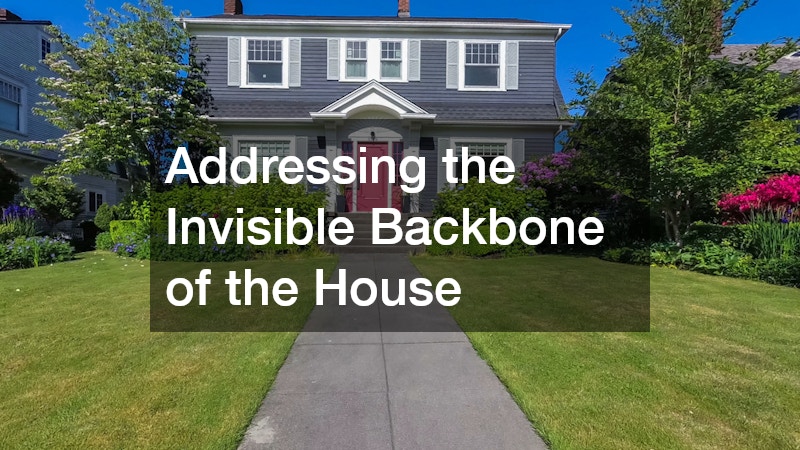
Every durable building depends on the stability of the ground and the base beneath it. When a property suffers from shifting soil, poor drainage, or natural settling over time, every room inside the house eventually feels the effects. Interior doors might stick in their frames, windows may become difficult to open, and visible cracks can snake across drywall surfaces. Attempting to execute high-end cosmetic renovations or intricate finish work while the underlying framework of the house is still actively moving is a guaranteed recipe for future disaster and wasted capital.
For this reason, structural stabilization must always represent the first phase of any comprehensive home improvement plan. Property owners need to thoroughly inspect their lower levels, basements, and exterior perimeters for clear signs of shifting before booking other trade professionals. Seeking professional foundation repair services should happen long before picking out interior paint colors, buying new appliances, or ordering custom wooden cabinetry. When specialized structural crews stabilize the base of a home, they often must hydraulically raise or level specific sections, a necessary process that can cause minor shifting throughout the rest of the upper framework.
If a homeowner completes interior remodeling projects prior to this leveling process, the subsequent movement can easily ruin the brand-new finishes by cracking fresh plaster and misaligning new tile configurations. Addressing the soil conditions, piering systems, or underpinning needs first guarantees that every future project sits on a perfectly level, motionless platform. This critical initial step eliminates the risk of future settling, ensuring that the next phases of the renovation timeline remain perfectly secure for decades to come. Fixing these critical core issues provides immense peace of mind, allowing the rest of the restoration timeline to proceed safely.
Shielding the Property from Severe Moisture Damage
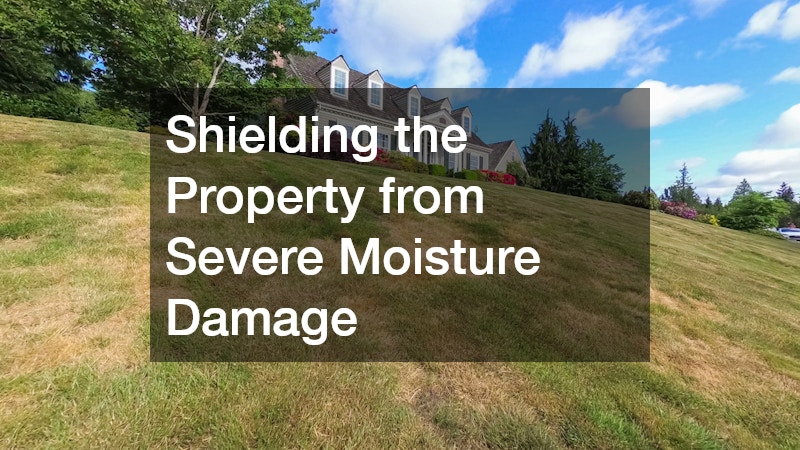
Once the base is secure, attention must turn upward to the highest points of the structure. The roof lines and associated drainage networks form the primary defensive shield against wind, rain, snow, and ice. Environmental moisture is arguably the most destructive force a property faces, causing hidden wood rot, toxic mold growth, and structural degradation over short periods. If the top of a house leaks, every financial investment made beneath it remains in constant jeopardy. Therefore, evaluating the health of the overhead shield is the next logical step in the sequencing process.
Working with established companies that provide comprehensive roofing services allows property owners to accurately identify compromised shingles, failed valley flashing, or hidden plywood deck rot that could threaten the home’s interior rooms. A brand-new roof creates a watertight seal that safeguards everything inside the home, from the attic insulation down to the main living room ceiling. However, a high-quality roof is only half of the moisture management equation. The new roof materials must work in harmony with an efficient perimeter channel system designed to guide heavy precipitation completely away from the main building structure.
Installing a modern, seamless gutter setup ensures that heavy downpours do not spill over the edges of the roofline and pool directly around the newly repaired foundation below. When water cascades down the sides of a house unmanaged, it rapidly erodes landscaping, rots exterior wood siding, and can eventually penetrate the lower levels, undoing the costly structural stabilization work completed in the initial phase. By prioritizing overhead protection and efficient drainage simultaneously, property owners establish a perfectly dry, secure environment where subsequent interior and exterior finish work can safely thrive without any risk of water-induced ruin.
Sealing the Building Envelope for Maximum Thermal Efficiency
With the structural foundation stable and the roof completely watertight, the next phase of the renovation sequence involves securing the vertical walls and primary functional openings of the home. Windows and exterior doors act as the front-line barriers between a climate-controlled interior and the unpredictable outdoor elements. Old, drafty windows or warped doors do far more than just drive up monthly utility bills; they allow moisture to infiltrate the wall cavities and compromise the structural framing over time. Before diving into interior upgrades, replacing these worn-out elements ensures the home remains weatherproofed and insulated.
Investing in a comprehensive window replacement project eliminates persistent drafts, reduces irritating external street noise, and prevents excessive solar heat gain from overworking the home’s heating and cooling systems. Modern multi-pane windows feature advanced insulating gas fills and low-emissivity coatings that keep indoor spaces comfortable throughout every season. Along with the windows, the main points of entry require careful structural consideration. Proceeding with an exterior entry door replacement updates the overall security of the home while completing the thermal seal of the building envelope, creating a tight barrier against drafts.
A new exterior door ensures a tight, plumb fit within the rough framing, preventing wind and driving rain from leaking onto the entryway flooring. Completing these exterior opening upgrades prior to starting interior finish work is highly practical from a construction standpoint. The physical process of removing old window units and heavy door frames inherently creates a significant amount of dust and airborne debris, which can occasionally disrupt the surrounding interior drywall or plaster. By finishing these messy installations early, homeowners protect their indoor spaces from construction mess and ensure subsequent interior wall finishes remain pristine.
Revitalizing the Interior Living Sanctuary
Now that the home is structurally sound, watertight, and sealed against the elements, it is safe to transition indoors for cosmetic and functional upgrades. This is the exciting stage where design dreams become reality without the constant fear of external weather forces ruining the hard work. Among all the various interior spaces, kitchens and bathrooms demand the absolute most coordination, trade integration, and capital investment. They also happen to yield some of the highest returns on investment and daily satisfaction for the family.
Launching a comprehensive bath remodeling project at this specific point in the sequence makes perfect sense because the home’s framing is settled, the walls are entirely dry, and the main plumbing lines are no longer at risk from structural shifts. Whether updating a tight guest bathroom or turning a master bath into a personal luxury spa, this phase allows homeowners to focus on high-end materials like natural stone, custom glass enclosures, and premium plumbing fixtures. Working within a fully secured building envelope means newly tiled showers, custom vanities, and intricate flooring will stay perfectly aligned and beautiful for the long haul.
Additionally, because the windows and doors have already been replaced, there is zero risk of subcontractors needing to drag heavy window units or framing materials through a freshly remodeled bathroom or hallway. The interior craftsmanship can proceed smoothly, cleanly, and efficiently, transforming the daily living experience while building significant equity inside a structurally perfect shell. Taking the time to finish these interior spaces completely before moving to the final exterior property enhancements ensures that the family can enjoy a clean, completed indoor refuge while the outdoor transformation takes place.
Designing the Structural Outdoor Footprint

After perfecting the interior living sanctuary, the renovation focus can comfortably shift to the surrounding property and outdoor entertainment environments. Expanding the usable square footage into the backyard is an excellent way to enhance lifestyle quality and boost curb appeal. However, outdoor construction often requires heavy equipment, significant earthmoving, and major structural carpentry. It is absolutely crucial to complete these large-scale outdoor projects before applying delicate finishing touches to the final landscape design or lawn.
Initiating contact with professional deck contractors allows homeowners to design elevated wooden or long-lasting composite platforms that blend seamlessly with the home’s existing architecture. These durable structures provide the ideal setting for outdoor dining, relaxation, and social gatherings. Concurrently, integrating hard stone elements into the landscape completes the structural layout of the yard. Engaging a skilled, experienced local hardscaping contractor ensures that retaining walls, paver patios, walkways, and driveways are engineered correctly for proper drainage and soil stability over time.
This professional handles the complex grading and excavation needed to prevent water from rushing toward the house, further reinforcing the moisture protection established in the earlier phases of the renovation. Building the deck and hardscape elements together prevents overlapping construction schedules and minimizes disruptions to the yard. Because these projects involve heavy foot traffic, concrete mixers, and large lumber deliveries, completing them before final landscaping ensures that delicate new lawns, flowerbeds, and decorative shrubbery are not accidentally trampled or destroyed during the active building process.
Enhancing Comfort with Seasonal Shade Solutions
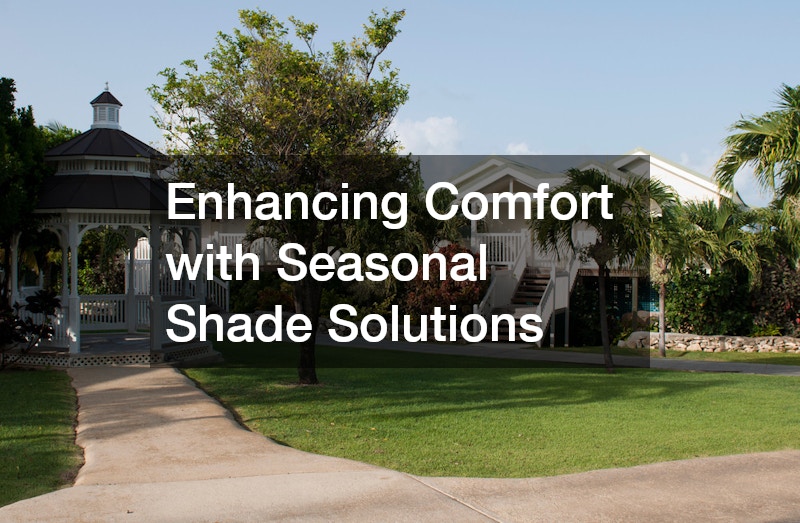
The final phase of a renovation sequence focuses on comfort, utility, and seasonal enjoyment. Once the structural decks and stone patios are fully cured and constructed, homeowners can install the premium features that make these outdoor spaces truly livable during the hottest or wettest days of the year. Direct summer sunlight and driving insects can easily render a gorgeous new deck or patio completely unusable during peak afternoon hours. Adding customizable protection transforms these raw outdoor platforms into true year-round extensions of the home’s living space.
Exploring options for custom patio screens and awnings provides a highly effective method for controlling intense glare, blocking harmful UV rays, and keeping pesky seasonal bugs away from outdoor dining areas. These additions define the outdoor room, making it feel incredibly cozy, private, and well-protected. For areas that require maximum day-to-day flexibility, installing a motorized or manual retractable awning offers the perfect architectural compromise. On mild, overcast days, the awning can remain fully retracted, allowing natural ambient light to flood into the adjacent house windows.
When the summer sun beats down intensely, extending the fabric canopy creates instant shade, dropping local temperatures significantly and reducing the cooling load on the home’s indoor air conditioning systems. Because these specialized shade systems attach directly to the exterior walls or existing sturdy deck posts, installing them as the very last step ensures they fit perfectly against the finished structures without any risk of damage from heavy construction activities. This final touch completes the property transformation, delivering an optimized balance of beauty, durability, and functional utility.
Harmonizing the Entire Renovation Timeline
Successfully modernizing a property requires patience, planning, and a clear understanding of construction logic. While it is always tempting to jump straight to visually stunning projects like interior styling or backyard entertainment areas, skipping ahead almost always results in extra costs and broken timelines. By adhering to a strict, top-to-bottom, structural-to-cosmetic sequence, homeowners protect their hard-earned money and ensure every upgrade builds upon a stable foundation. A dry, level, and well-insulated house provides the perfect canvas for luxury interior design and outdoor living spaces, turning a stressful remodel into a rewarding investment journey.