

A home rarely fails all at once. It sends small warnings first, a slow drip, a stiff door, a strange smell, and those warnings tend to surface right when the seasons change. Catching them early can mean the difference between a quick fix and a five-figure repair bill. This checklist walks through the systems that deserve a seasonal look, so you can plan ahead instead of reacting in a crisis.
Inspect Your Roof Before Weather Extremes Hit
Your roof takes more abuse than almost any other part of your home, absorbing sun, wind, hail, and freeze-thaw cycles all year long. A seasonal walk-around, done safely from the ground with binoculars, can reveal curling shingles, bare spots, or sagging areas before they turn into leaks. Look closely at flashing around chimneys and vents, since that’s where most water intrusion actually starts.
If your roof is nearing the end of its expected lifespan or you’re seeing granules piling up in the gutters, it may be time to start budgeting for a roof replacement rather than another round of patchwork. Getting ahead of this decision gives you time to compare materials and financing options instead of scrambling after a storm causes visible damage. Waiting too long often turns a planned project into an emergency one.
Schedule Professional Roof Evaluations Every Few Years

Even a careful homeowner can miss problems that are only visible up close, which is why a periodic professional inspection is worth the investment. Reputable roofing companies can spot early signs of rot, ventilation issues, or improper past repairs that aren’t obvious from the ground. Many offer free or low-cost inspections, especially after a major storm rolls through your area.
- Ask for photos of any problem areas they find, not just a verbal summary
- Get a written estimate before agreeing to any repair work
- Check licensing and insurance before letting anyone on your roof
- Compare at least two quotes for larger repair or replacement jobs
Test Heating and Cooling Systems Before Peak Season
Nothing exposes a neglected HVAC system faster than the first heat wave or cold snap of the season. Running your system on a mild day, ideally two to three weeks before you’ll actually need it, lets you catch strange noises, weak airflow, or inconsistent temperatures while there’s still time to schedule a repair without an emergency fee. HVAC technicians typically charge 1.5 to 2 times their standard rate for after-hours or peak-season calls, so a spring or fall tune-up can pay for itself many times over. Run the system for a full 15-minute cycle and pay attention to how it starts up, not just how it runs. Clicking, grinding, or rattling noises often signal loose components or a failing motor, while a burning smell warrants shutting the unit off and calling a professional immediately. Also check that every room reaches a comfortable temperature; a stuffy or unusually cold room can point to a blocked vent, a failing damper, or ductwork that needs sealing. Simple owner-level tasks, like replacing filters and clearing debris from outdoor units, can extend the life of the entire system. Swap out filters every one to three months depending on your household (more often if you have pets or allergy sufferers), and clear leaves, grass clippings, and dirt at least two feet away from outdoor condenser units. It’s also worth checking that indoor vents and outdoor unit fins aren’t bent or obstructed, since restricted airflow forces the system to work harder and shortens its lifespan. Finally, consider scheduling a professional inspection annually, even if the system seems to be running fine. Technicians can check refrigerant levels, test electrical connections, and measure airflow with tools most homeowners don’t have on hand, catching small issues before they turn into a $3,000 compressor replacement.
Before the weather turns, run your furnace and air conditioner for a full cycle to catch problems while you still have time to fix them. Listen for grinding, rattling, or clicking sounds, and check that airflow feels consistent across every room. Musty odors when the AC kicks on often point to mold in the ductwork, while a system that runs constantly without reaching the set temperature may be low on refrigerant or nearing the end of its life. If you’re due for an upgrade, spring and fall are the smartest times to plan an AC installation, since contractors have more open scheduling and you avoid the summer rush. Booking during these shoulder seasons can also mean better pricing, as many companies offer discounts to keep their crews busy during slower months. A typical central AC replacement takes one to two days, so scheduling it before the heat arrives spares you from sweating out a multi-day wait in July. Homeowners with older ductwork or those adding a room without existing vents often find that a ductless mini split solves the problem more affordably than extending traditional ductwork. These systems mount directly on a wall or ceiling and connect to an outdoor unit through a small conduit, avoiding the demolition and expense of running new ducts. They’re also worth considering for garages, sunrooms, or finished attics that your main system struggles to reach. Both options are worth researching before your current system forces your hand. Get at least two quotes, ask about warranty coverage on parts and labor, and confirm the contractor is licensed to handle refrigerant, since this affects both safety and resale value down the line.
Check Water Heater Performance and Warning Signs
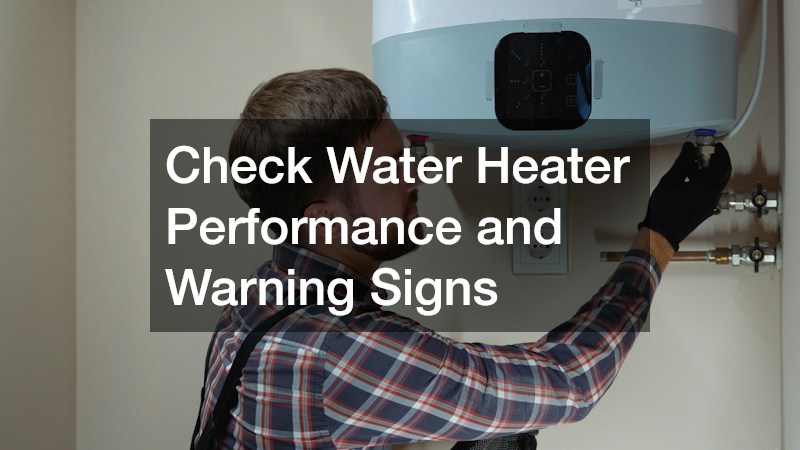
Water heaters tend to fail quietly until they fail completely, so a seasonal check is genuinely worth five minutes of your time. Look for rust-colored water, unusual noises like popping or rumbling, or a tank that feels warm to the touch on the outside. These are often early signs that sediment buildup or a failing component is putting stress on the unit.
Catching these symptoms early usually means a straightforward water heater repair rather than a full replacement and the cleanup that comes with a tank failure. If your unit is more than eight to ten years old, ask a technician during any routine visit whether it’s worth repairing again or planning ahead for a new one. A small maintenance flush once or twice a year can also meaningfully extend the unit’s working life.
Test Garage Door Function and Hardware Twice a Year
Garage doors are one of the largest moving parts of any home, and they take on a lot of stress from daily use and temperature swings. Listen for grinding or popping sounds when the door opens and closes, and watch for uneven movement that suggests the door is out of balance. These symptoms often point to worn hardware rather than a problem with the opener itself.
A broken garage door spring repair is one of the most common seasonal calls homeowners make, and it’s not a job to attempt without proper tools, since the springs are under intense tension. Left unaddressed, a failing spring can strain the opener motor and lead to a much larger repair bill down the road. A quick lubrication of hinges, rollers, and tracks each season also keeps the whole system running smoothly.
Evaluate Outdoor Living Spaces for Wear and Damage

Decks, porches, and patios take a beating from sun exposure, rain, and shifting ground, especially in climates with real seasonal swings. Walk the surface looking for soft spots, loose railings, or boards that have started to cup or split. These are signs that moisture has gotten into the wood and structural repairs may be needed sooner rather than later.
If you’re noticing widespread wear rather than isolated problem spots, it may be worth consulting porch contractors who can evaluate whether the structure needs targeted repairs or a more complete rebuild. Getting a professional opinion before hosting a gathering or listing your home for sale can prevent an embarrassing, and expensive, surprise. Small issues caught early are almost always cheaper to fix than the ones that get discovered after they’ve spread.
Address Plumbing and Sewer Line Concerns Early
Slow drains, gurgling sounds, or sewage odors near your yard are signs that shouldn’t be ignored, especially as tree roots grow more aggressive in warmer months, actively seeking out moisture and nutrients in aging pipes. A clogged sewer line often starts small, with one slow drain, before spreading to multiple fixtures throughout the house as the blockage worsens over weeks or months. Pay attention to patterns: if your kitchen sink backs up whenever you run the washing machine, or multiple drains gurgle at once, that’s a strong signal the problem lies deeper in the main line rather than an isolated fixture. Homes older than 20 years, or those with mature trees near the sewer line’s path, face higher risk and may benefit from a proactive camera inspection, which typically costs a couple hundred dollars but can reveal root intrusion, bellied pipes, or joint separation before they become emergencies. Catching it in that early stage usually means a simpler and far less invasive repair, such as hydro-jetting or a localized patch, instead of a full excavation. Waiting too long can turn a $300 fix into a $5,000 to $10,000 pipe replacement, especially if sewage backup damages flooring, drywall, or your home’s foundation.
Homes on properties with lower elevation or those connected to municipal systems with pump-assisted infrastructure should also pay attention to lift stations, since a malfunction there can back up plumbing for an entire neighborhood, not just one house. Lift stations use pumps to move wastewater uphill toward the main treatment system when gravity alone can’t do the job, and when one fails due to a power outage, mechanical breakdown, or clogged pump, the backup can ripple through every connected home rather than just yours. If you notice recurring backups despite clear pipes on your end, it’s worth asking your municipality or a plumber whether a nearby lift station could be part of the issue. Warning signs include gurgling drains that happen at the same time as a neighbor’s, sewage odors after heavy rainfall, or repeated backups in the lowest drain in your home, such as a basement floor drain, even right after you’ve had your own lines snaked. This is a less common problem, but one that’s easy to overlook until it causes real damage. A backwater valve, installed on your home’s main sewer line, can act as a safeguard by preventing wastewater from flowing back into your house even if a municipal lift station or main line backs up. It’s a relatively small investment compared to the cost of cleaning up a sewage backup, which can easily run into the thousands once flooring, drywall, and remediation are factored in.
Manage Pest Activity Around Your Property Each Season

Warmer months bring a noticeable uptick in pest activity, and some of it poses more than a nuisance risk. Ticks in particular become more active in spring and summer, especially in yards bordering wooded areas or tall grass. Regular tick control treatments around the perimeter of your property can significantly reduce the risk of bites for both people and pets.
- Keep grass trimmed short and clear leaf litter regularly
- Create a barrier of wood chips or gravel between lawns and wooded areas
- Check pets for ticks after outdoor time, especially in warmer months
- Consider professional treatment if you live near dense vegetation
Prepare Windows Doors and Seals for Temperature Shifts
Gaps around windows and doors let conditioned air escape and let outside moisture and pests in, which quietly drives up utility bills throughout the year. A simple test involves holding a lit candle or incense stick near the frame on a windy day and watching for flickering that reveals drafts. Recaulking and weatherstripping are inexpensive fixes that pay for themselves within a season or two.
Beyond energy costs, poor sealing can allow moisture to seep in around frames, eventually leading to wood rot or mold growth that’s far more expensive to address. Taking twenty minutes each season to walk the exterior of your home and check every window and door frame is one of the simplest habits that pays off consistently. It’s a small task that’s easy to postpone but rarely takes as long as people expect.
None of these checks require a huge investment of time, but skipping them consistently is how small issues turn into costly emergencies. Build a simple calendar reminder for each season and work through this list room by room, system by system. The homeowners who avoid the biggest surprises aren’t lucky, they’re just consistent about looking closely before problems have a chance to grow.