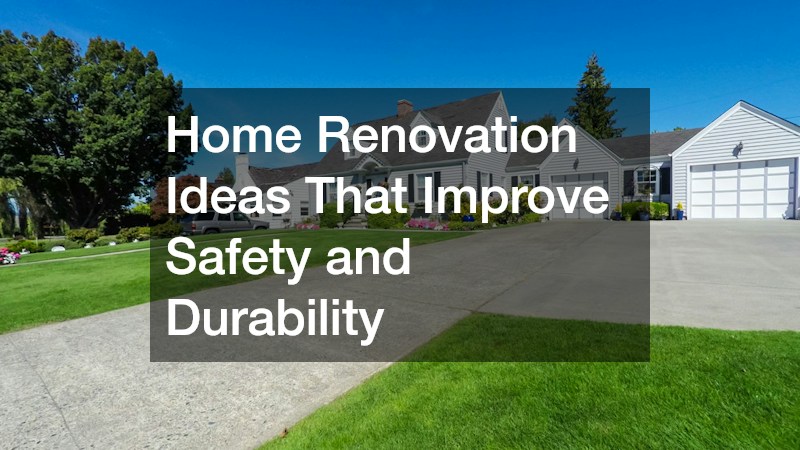

Home renovations can do more than improve a property’s appearance. Strategic upgrades can reduce safety hazards, prevent expensive damage, and help a home withstand everyday wear and changing weather conditions. Improvements to structural components, essential systems, and high-traffic areas can also increase comfort while protecting the property’s long-term value.
Before beginning a renovation, homeowners should assess the condition of their property and identify problems that require immediate attention. Water intrusion, deteriorating materials, outdated equipment, and structural concerns can worsen when left unresolved. Prioritizing practical improvements and choosing durable materials helps homeowners create safer living spaces while reducing future maintenance demands.
Strengthen Your Roof Against Weather Damage
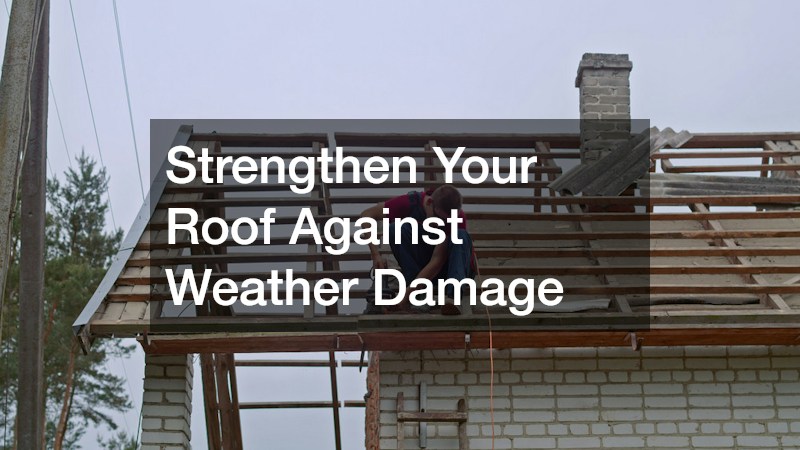
A home’s roof protects its interior and structural components from rain, wind, snow, and sunlight. Damaged roofing materials can allow moisture into the attic, leading to stained ceilings, deteriorating insulation, and wood rot. Addressing these problems promptly helps prevent more extensive repairs.
Look for missing shingles, damaged flashing, sagging areas, and water stains on ceilings. Granules accumulating in gutters may also indicate aging roofing materials. Avoid climbing onto a damaged or steep roof to investigate problems yourself.
A qualified roofing contractor can inspect the roofing system, identify leaks, and recommend appropriate repairs. If deterioration is widespread or repairs have become frequent, a roof replacement may provide more reliable protection.
When planning roofing improvements, consider these steps:
- Choose suitable materials: Select roofing products designed for local weather conditions and the home’s structural requirements.
- Inspect flashing: Check areas around chimneys, skylights, and vents, where improper sealing can allow water inside.
- Improve attic ventilation: Appropriate ventilation helps manage heat and moisture that can damage roofing materials.
- Schedule inspections: Professional evaluations after severe weather can identify damage before it affects interior spaces.
Maintaining the roof protects the entire building, including insulation, framing, and interior finishes. Addressing small problems early can prevent moisture from spreading into other areas of the home.
Protect Your Foundation From Structural Problems
The foundation supports the home’s weight and helps maintain the stability of its walls and floors. Soil movement, inadequate drainage, and prolonged exposure to moisture can contribute to structural deterioration. Identifying warning signs early helps homeowners determine whether professional repairs are necessary.
Watch for widening cracks, uneven floors, doors that suddenly stick, or gaps developing around windows. Although some small cracks are common, changes in their size or appearance warrant investigation. Persistent basement dampness may also indicate drainage problems.
Foundation contractors can evaluate settlement, investigate structural damage, and recommend appropriate repairs. Depending on the cause, solutions may include crack repair, drainage improvements, or specialized stabilization systems.
Homeowners can reduce certain risks by taking these precautions:
- Improve grading: Ensure the ground generally slopes away from the foundation so rainwater does not collect beside the house.
- Maintain downspouts: Direct roof runoff away from foundation walls without creating drainage problems elsewhere.
- Monitor landscaping: Consider how large trees and changes in soil moisture may affect the property’s foundation.
- Investigate dampness: Address recurring water intrusion rather than covering stains or applying paint over affected surfaces.
Resolve known moisture and structural problems before finishing a basement. Installing drywall or flooring over unresolved damage can conceal deterioration and make future repairs more expensive.
Upgrade Heating and Cooling Systems for Safer Indoor Living

Heating and cooling systems influence indoor comfort, ventilation, and energy consumption. Aging equipment may struggle to maintain consistent temperatures or require frequent repairs. Renovations provide an opportunity to evaluate whether existing systems operate safely and meet household needs.
Qualified HVAC contractors can assess the condition of equipment, examine airflow, and recommend appropriate repairs or replacements. They can also help homeowners evaluate system sizing and ventilation requirements. An improperly sized system may cycle too frequently or struggle to maintain comfortable temperatures.
Consider these improvements when updating your home’s mechanical systems:
- Replace filters regularly: Follow manufacturer recommendations to maintain airflow and system performance.
- Keep vents clear: Avoid blocking supply registers and return-air grilles with furniture or stored belongings.
- Seal duct leaks: Properly sealed ducts can reduce conditioned air loss and improve comfort.
- Schedule professional maintenance: Routine servicing helps identify worn components and developing problems.
- Check combustion safety: Fuel-burning appliances must be properly installed, vented, and maintained.
Install smoke alarms and carbon monoxide alarms in appropriate locations, following local requirements and manufacturer instructions. Test them regularly and replace units as their service life ends. If a carbon monoxide alarm sounds, leave the building and contact emergency services from a safe location.
When renovations change insulation, room layouts, or window placement, reassess ventilation and heating and cooling needs. Coordinating these improvements supports indoor comfort without compromising air quality.
Prevent Water Damage Through Better Drainage and Plumbing
Water damage can affect flooring, cabinets, drywall, insulation, and structural materials. Overflowing gutters, poorly positioned downspouts, and leaking pipes can introduce moisture into vulnerable areas. Improving drainage and maintaining plumbing helps protect the home from preventable deterioration.
Inspect gutters for blockages, loose fasteners, sagging sections, and visible leaks. Water spilling over the edges can damage landscaping and contribute to foundation moisture problems. Gutter contractors can repair damaged sections, improve drainage capacity, and recommend suitable systems for managing roof runoff.
Inside the home, check beneath sinks, around appliances, and near water heaters for signs of leakage. Plumbers can investigate recurring leaks, replace deteriorated pipes, and install accessible shutoff valves or leak detection devices.
Useful upgrades include:
- Install leak sensors: Place compatible detectors near washing machines, dishwashers, and water heaters.
- Replace worn hoses: Inspect appliance supply hoses and replace damaged components with suitable products.
- Maintain drains: Investigate recurring blockages instead of repeatedly relying on temporary solutions.
- Protect exposed pipes: Insulate vulnerable plumbing in colder areas to reduce the risk of freezing.
- Inspect water heaters: Address corrosion, leaks, and other signs of deterioration with professional service.
Remember that waterproofing should address the source of moisture. Painting over a damp wall will not resolve poor drainage or an active plumbing leak. Identifying the underlying cause is essential for preventing recurring damage.
Improve Window and Door Safety
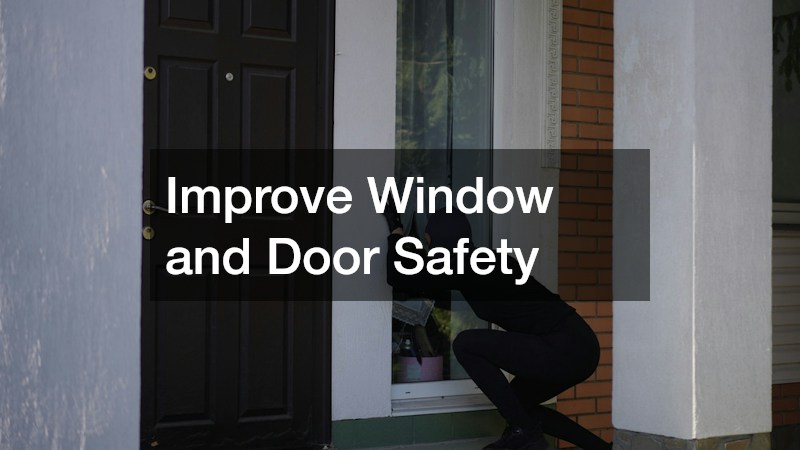
Windows and exterior doors help protect a home from weather, unwanted entry, and drafts. Deteriorating frames, damaged seals, and malfunctioning locks can compromise security and allow moisture inside.
Inspect window frames for rot, cracked seals, and gaps. Exterior doors should close securely, and their locks should operate smoothly. Condensation between glass panes may indicate a failed insulated-glass seal, while condensation on interior surfaces can suggest excessive indoor humidity.
Window contractors can recommend replacement windows with durable frames, suitable glazing, and secure locking mechanisms. Consider the local climate, maintenance requirements, energy performance, and household safety needs when choosing products.
Several improvements can make windows and doors safer:
- Replace worn weatherstripping: Proper seals help reduce drafts and prevent wind-driven rain from entering.
- Choose appropriate glass: Tempered or laminated glass may provide added protection in suitable locations.
- Improve door security: Install reliable locks and reinforce vulnerable hardware where appropriate.
- Maintain emergency exits: Ensure bedroom windows meet applicable egress requirements and remain usable.
- Inspect exterior caulking: Repair deteriorated seals around frames to limit moisture intrusion.
Avoid sealing windows shut when they serve as emergency exits. Renovations should preserve accessible escape routes and comply with applicable building codes.
Properly installed windows and doors can also reduce unwanted air leakage. However, improving airtightness may increase the need for mechanical ventilation, so energy efficiency and indoor air quality should be considered together.
Make Garages Safer and More Durable
Garages often serve as storage areas, workshops, and entryways into the home. Heavy use, vehicle traffic, moisture, and temperature fluctuations can gradually damage surfaces and create safety hazards.
Inspect garage floors for significant cracks, uneven areas, and standing water. Check walls and ceilings for leaks or deterioration, and make sure walkways remain free of clutter. Poor lighting can make it difficult to notice hazards or safely handle equipment.
A garage builder can help evaluate structural concerns, improve storage arrangements, and plan a layout that supports the household’s needs.
Prioritize these practical improvements:
- Improve lighting: Illuminate entrances, work areas, and storage spaces.
- Secure shelving: Anchor storage units appropriately and keep heavy objects from falling.
- Maintain the garage door: Test safety reversal features according to the manufacturer’s instructions, and hire professionals for damaged springs or cables.
- Control moisture: Investigate water entering beneath the garage door and improve drainage where necessary.
- Store hazardous products safely: Keep chemicals, fuels, and sharp tools secured and out of children’s reach.
If the garage connects directly to the house, maintain the required fire separation and ensure the connecting door meets applicable requirements. Never operate a vehicle inside an enclosed garage, even with the main door open, because carbon monoxide can accumulate.
Choose Durable Materials for High-Traffic Areas

The materials used in a renovation affect how well rooms withstand everyday wear. Flooring, countertops, stairs, and cabinetry experience varying levels of moisture exposure, impact, and frequent cleaning. Choosing materials suited to each space can reduce maintenance and improve safety.
Bathrooms, laundry rooms, and entryways benefit from flooring designed for wet conditions. In kitchens and hallways, consider surfaces that resist scratches, stains, and heavy foot traffic.
Custom home builders can help homeowners compare materials and plan durable features during extensive renovations. Their expertise may be especially useful when several rooms need coordinated updates or existing structural conditions limit the available options.
Before selecting products, evaluate these factors:
- Moisture resistance: Choose materials suited to humidity, spills, and frequent cleaning.
- Impact resistance: Consider durable finishes for mudrooms, hallways, and other busy areas.
- Maintenance requirements: Compare cleaning instructions, refinishing needs, and repair options.
- Indoor air quality: Follow ventilation recommendations when installing paints, adhesives, and new flooring.
- Accessibility: Consider lever-style handles, wider pathways, and stable handrails.
Stairways deserve particular attention because small defects can create fall hazards. Install sturdy handrails where required, provide adequate lighting, and repair loose steps or uneven flooring. Removing abrupt transitions can also reduce the risk of tripping.
Durability should not come at the expense of usability. The best materials balance long-term performance, maintenance needs, comfort, and household safety.
Coordinate Renovations With a Clear Project Plan
Renovations often involve several interconnected tasks, including structural repairs, plumbing changes, electrical work, and finish installation. Poor coordination can cause delays, unnecessary expenses, and damage to newly installed materials.
Begin by identifying urgent hazards and problems that could worsen if left untreated. Active leaks, structural instability, and unsafe equipment should generally be addressed before cosmetic improvements. Grouping related projects can also reduce repeated demolition and disruption.
General contracting services can help coordinate trades, manage schedules, and organize work across multiple stages of a renovation.
Use these steps to keep projects organized:
- Request written estimates: Confirm the scope of work, materials, timelines, and payment arrangements.
- Verify qualifications: Check applicable licenses, insurance, references, and relevant experience.
- Confirm permit requirements: Contact local building officials before beginning work that may require approval.
- Set aside contingency funds: Budget for hidden damage discovered during demolition.
- Keep project records: Retain permits, inspection reports, receipts, warranties, and maintenance instructions.
Do not cover walls or ceilings until required inspections are complete and concealed systems have been checked. Photographing plumbing and wiring before closing walls can also make future maintenance easier.
Maintain communication with contractors throughout the project. Document approved changes and clarify how unexpected repairs will affect the budget and schedule. Careful planning helps protect both the quality of the work and the renovation investment.
Establish a Preventive Maintenance Routine
Renovations provide lasting benefits when homeowners maintain their improvements after construction. Even durable materials and professionally installed systems require periodic inspections, cleaning, and servicing.
Create a seasonal checklist that reflects local weather conditions, equipment recommendations, and the property’s age. During routine checks, homeowners can:
- Inspect ceilings and walls for new stains, cracks, or discoloration.
- Clear gutters and confirm that downspouts direct water away from the foundation.
- Check visible plumbing connections and appliance hoses for leaks.
- Examine exterior caulking and weatherstripping for deterioration.
- Test smoke alarms and carbon monoxide alarms according to instructions.
- Replace HVAC filters and schedule recommended equipment maintenance.
- Inspect stairs, handrails, and garage doors for damage.
Keep records of repairs and maintenance dates to identify recurring problems and support warranty claims. Arrange professional evaluations when structural movement, persistent moisture, or equipment problems appear.
Addressing small concerns promptly helps preserve renovation results and reduces the likelihood of extensive repairs.
Build a Safer, Longer-Lasting Home
Home renovations are most effective when they address the conditions that affect safety, structural stability, and everyday performance. Improvements to roofing, foundations, drainage, windows, mechanical systems, and high-traffic areas can help prevent damage while making living spaces more comfortable.
Start by assessing the home’s condition, prioritizing urgent repairs, and choosing durable materials suited to each space. Qualified professionals and careful project coordination can help ensure that improvements meet household needs and applicable safety requirements.
Finally, maintain renovated areas through regular inspections and recommended servicing. By addressing developing problems early and keeping accurate maintenance records, homeowners can protect their investment and create a safer, more durable home for years to come.