

The outside of your home starts a conversation before anyone ever knocks on your door. From the color of your siding to the health of your lawn, every exterior choice quietly signals how much care and attention goes into the property. Whether you are preparing to sell, welcoming guests, or simply taking pride in your street presence, understanding what these details communicate can help you make smarter decisions. This guide breaks down the most telling exterior features and what they reveal about a home and the people who maintain it.
Mulch and Ground Cover Choices
The material you choose to fill your garden beds says more than most homeowners realize. Fresh, evenly spread bark dust signals a homeowner who invests in regular upkeep and understands the value of protecting plant roots from temperature swings and moisture loss. Faded, patchy, or weed-choked ground cover, on the other hand, suggests neglect even if the rest of the home looks pristine. Ground cover is one of the cheapest ways to instantly elevate curb appeal, which is why so many real estate agents recommend refreshing it before listing a property.
Beyond appearances, the right ground cover also protects your landscaping investment long term. It suppresses weeds, retains soil moisture, and slowly breaks down to enrich the soil beneath it.
- Dark, finely shredded mulch tends to read as more polished and modern
- Rock or gravel ground cover suits low-maintenance, drought-tolerant designs
- Ground cover should be refreshed every one to two years to maintain color and function
- Avoid piling material directly against tree trunks or siding, which can trap moisture
Roofline Condition and Curb Appeal

Few features shape a first impression as powerfully as the roof. A clean, well-maintained roofline suggests a homeowner who stays ahead of maintenance, while curling shingles, moss growth, or sagging sections raise immediate red flags for buyers and neighbors alike. Many homeowners underestimate how much the roof contributes to overall exterior harmony, especially when siding and landscaping have been updated but the roof has been ignored. Investing in Residential Roofing upgrades or repairs often delivers one of the highest returns on curb appeal per dollar spent.
Color and material choice matter just as much as condition. A roof that clashes with the home’s siding or brick can make even a freshly renovated exterior look disjointed, while a cohesive palette ties the entire facade together.
- Moss and algae streaks often indicate trapped moisture and poor ventilation
- Missing or curling shingles suggest the roof is nearing the end of its lifespan
- Gutters that pull away from the fascia can point to deeper structural issues
- A roof replacement can shift a home’s entire aesthetic, so choose materials carefully
Historic and Older Home Preservation
Older homes and rustic properties carry a charm that newer construction often cannot replicate, but that charm depends entirely on how well the structure has been preserved. Thoughtful cabin restoration work, for instance, tells visitors that the owner values character and history over simply gutting a property for a modern look. Preserving original wood siding, stone chimneys, and hand-built details takes more effort than standard renovation, but it pays off in a home that feels authentic rather than manufactured.
Restoration also requires balancing preservation with modern livability. Owners who update insulation, wiring, and plumbing while keeping the original facade intact tend to end up with homes that are both charming and comfortable, which is exactly the impression most buyers and guests want to see.
Driveway and Walkway Materials

The path leading up to your front door sets expectations before a single interior detail comes into view. Cracked, uneven concrete or gravel that has washed away over time can make even a beautifully landscaped yard feel unfinished. Homeowners who invest in durable, well-graded surfaces are often working with experienced civil contractors to ensure proper drainage and long-term stability rather than a quick patch job. Poor grading is one of the most common causes of repeat driveway damage, since water pooling near the surface accelerates cracking in freeze-thaw climates.
- Pavers offer a high-end look but require periodic joint sand replacement
- Poured concrete is durable but prone to cracking without proper base preparation
- Gravel driveways need regrading every couple of years to prevent ruts
- Proper slope and drainage planning prevents water from pooling near the foundation
Lawn Health and Yard Maintenance
A lush, evenly mowed lawn is one of the fastest visual cues that a home is well cared for. Brown patches, overgrown edges, or bare dirt spots tell a different story, often pointing to irrigation problems, poor soil quality, or simple neglect. Consistent mowing height, seasonal fertilization, and proper watering schedules keep grass resilient through temperature swings and heavy foot traffic. A healthy lawn does not just look good; it also reduces erosion and helps manage stormwater runoff around the foundation. If you are planning a major expansion with a home addition contractor, maintaining proper grading and drainage around the lawn can also help protect both the existing home and the new structure.
- Mow at a consistent height rather than scalping the lawn short
- Aerate compacted soil once or twice a year for better water absorption
- Overseed thin areas in early fall for the strongest root establishment
- Watch for pest damage, which often shows up as irregular brown patches
Outdoor Pest Prevention Signals
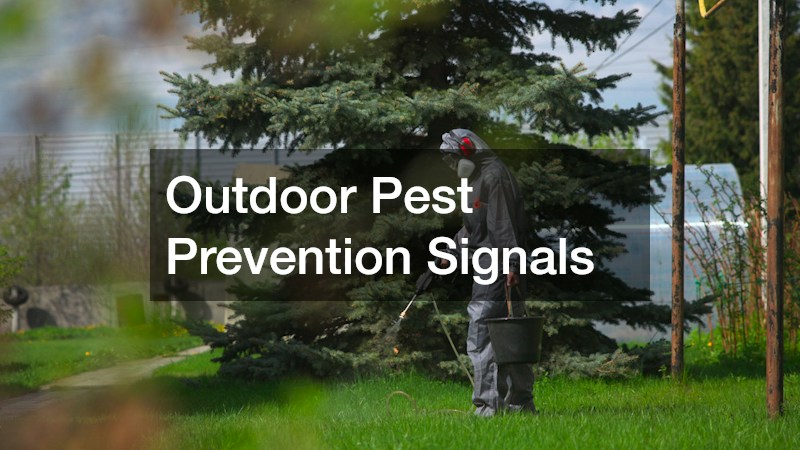
Nothing undermines an otherwise beautiful exterior faster than visible signs of pest activity. Wood damage on fences, mud tubes along the foundation, or wasp nests tucked under eaves all suggest that pest management has fallen behind schedule. These are the kinds of details a potential buyer’s inspector will flag immediately, and they can raise questions about what else might have been neglected. Homeowners who schedule regular pest control services are typically catching small issues before they become structural problems, particularly with wood-destroying insects like termites and carpenter ants that thrive in damp mulch beds or stacked firewood. A few simple habits go a long way: keeping mulch pulled back several inches from the foundation, storing firewood at least 20 feet from the house, and trimming back shrubs that create moisture pockets against siding. Standing water in gutters or low-lying yard areas is another common culprit, since it attracts mosquitoes and can accelerate wood rot near rooflines. Seasonal timing matters too. Spring and early summer are peak periods for termite swarms and nest-building, so an inspection before warmer weather sets in often catches problems while they’re still minor and inexpensive to fix. Addressing these issues proactively protects both the home’s appearance and its long-term structural integrity, and it signals to anyone evaluating the property that the home has been genuinely cared for, not just cosmetically maintained.
Prevention is almost always cheaper than remediation once pests have established themselves, and a home’s landscaping often broadcasts which category its owners fall into. Simple habits like trimming vegetation away from the siding and storing firewood off the ground can dramatically reduce the risk of infestation. Experts generally recommend keeping shrubs and branches at least 12 to 18 inches from exterior walls, since overgrown greenery gives ants, termites, and rodents a direct bridge to your home. Mulch choices matter too. Wood mulch piled thickly against a foundation retains moisture and attracts termites, so many pest-conscious homeowners opt for gravel or rubber alternatives near the home’s perimeter while reserving organic mulch for beds farther out. Standing water is another giveaway. Clogged gutters, low spots in the yard, or neglected birdbaths create mosquito breeding grounds, while a well-graded lawn and clean drainage system signal a homeowner who stays ahead of maintenance. Firewood deserves special mention: stacking it at least 20 feet from the house and a few inches off the ground prevents it from becoming a termite highway. Together, these small landscaping decisions tell a quiet but consistent story about how proactively a homeowner protects their investment.
Septic and Underground System Upkeep
Not every exterior signal is visible at first glance, and few things are more overlooked than what is happening underground. A soggy patch of lawn, a lingering odor, or unusually green grass in one specific area can all indicate septic system stress. Homeowners who stay current on maintenance often request septic estimates before problems surface, since a proactive inspection is far less expensive than an emergency repair or full system replacement. Ignoring these warning signs can eventually lead to costly landscaping damage when a failing system requires excavation.
- Schedule a septic inspection every one to three years depending on household size
- Avoid planting trees with aggressive root systems near the drain field
- Keep heavy vehicles and equipment off the septic field to prevent compaction
- Watch for slow drains inside the home, which can signal early system issues
HVAC and Exterior Equipment Presentation
The exterior units tied to your home’s comfort systems are easy to overlook, but a neglected air conditioning unit surrounded by weeds, mulch buildup, or overgrown shrubs sends a subtle message of deferred maintenance. Keeping the area around the unit clear and scheduling routine AC service helps the system run efficiently while also keeping that corner of the yard looking intentional rather than forgotten. Most manufacturers recommend leaving at least two feet of clearance on all sides of the unit so air can flow freely and technicians can access it without wrestling through vegetation. Many homeowners bundle this task with their seasonal landscaping cleanup, trimming back plants that have grown too close to the unit’s airflow vents. This is also a good time to hose off the exterior coils, straighten any bent fins, and check that the unit is sitting level on its pad, since shifting ground can cause vibration and strain on the connecting lines over time. Beyond the AC condenser, it’s worth extending the same attention to other equipment scattered around the exterior, like generators, heat pumps, irrigation backflow devices, and utility boxes. A simple decorative screen, low fencing, or strategically placed shrubs can hide these functional necessities without blocking airflow or access, striking a balance between curb appeal and practicality that tells visitors the home is genuinely well cared for.
Most homeowners don’t think about their HVAC system until it fails, but the equipment sitting beside your house is as visible as any garden bed. A condenser unit surrounded by weeds, buried under leaves, or rusting in plain sight tells visitors that maintenance happens reactively, not proactively. Simple upkeep, like clearing a two-foot perimeter of debris and keeping the unit level on its pad, signals the opposite. When something does go wrong, choosing a reliable AC repair company quickly prevents small mechanical issues, like a failing capacitor or refrigerant leak, from turning into costly breakdowns during peak summer heat. Acting within the first day or two of noticing strange noises, weak airflow, or rising energy bills is usually the difference between a $200 repair and a $2,000 replacement. Beyond the unit itself, consider how it’s screened from view. A simple lattice enclosure, strategically placed shrubs, or a painted privacy fence panel can hide unsightly equipment without blocking the airflow it needs to run efficiently. Just be sure any landscaping stays at least 12 to 18 inches away from the unit to allow proper ventilation and easy technician access. A well-maintained unit, paired with tidy surrounding landscaping, reinforces the same message the rest of the exterior is sending: this is a home that receives consistent care.
Every choice on the outside of your home, from the mulch in your flower beds to the equipment tucked along the side yard, adds up to a larger impression of how well the property is cared for. Taking a walk around your home with fresh eyes can help you spot the small issues before they become expensive problems or lasting negative impressions. Start with one or two areas that need the most attention, then build a seasonal maintenance routine that keeps the rest in check. Small, consistent investments in your exterior will pay off in curb appeal, property value, and everyday pride of ownership.