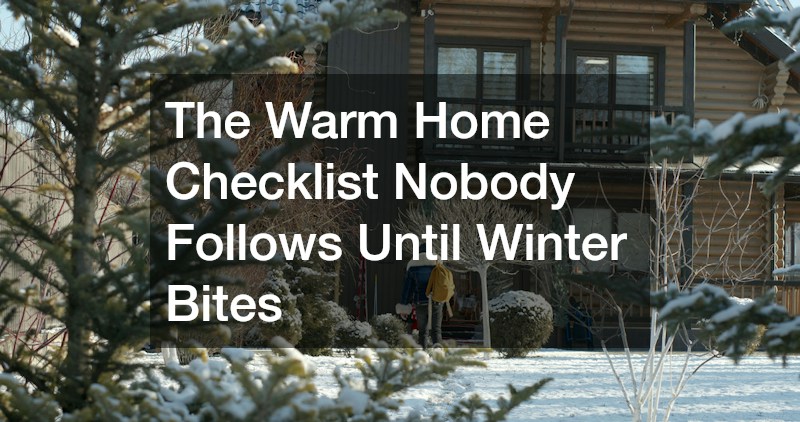

Every year, the first hard freeze catches homeowners off guard, turning small maintenance oversights into expensive emergencies. The truth is that most winter home disasters, from burst pipes to failed furnaces, are preventable with a few hours of preparation in the fall.
This checklist walks through the systems that quietly determine whether your winter is comfortable and affordable or stressful and costly. Work through it before the temperature drops, not after.
Inspect Your Roof Before the First Snowfall
Your roof takes the brunt of winter weather, and small issues like loose flashing or cracked shingles can turn into leaks once snow and ice settle in. A visual inspection from the ground, or better yet from a ladder, can reveal warning signs like missing shingles, sagging areas, or clogged valleys where debris collects. If you notice anything questionable, it is worth getting a professional opinion before winter storms arrive rather than after damage has already occurred.
Many roofing companies offer seasonal inspections specifically designed to catch problems early, and this service often costs far less than emergency repairs during a January storm. If your roof is more than fifteen years old, it may also be worth asking about upgrade options that handle snow load and ice better than traditional asphalt shingles.
- Check for curled, cracked, or missing shingles
- Look for granules collecting in gutters, a sign of shingle wear
- Inspect flashing around chimneys and vents for gaps
- Note any sagging areas that could indicate structural issues
Schedule a Professional Roof Evaluation

While a homeowner can spot obvious damage, a trained eye catches the subtler problems that lead to winter leaks, like deteriorating underlayment or improperly sealed seams. Reaching out to roofing contractors in early fall means you get ahead of the seasonal rush, when appointment slots fill quickly, and prices sometimes climb due to demand. A thorough evaluation typically includes checking attic ventilation, insulation levels near the roofline, and the condition of ice and water shields in vulnerable areas.
This is also the right time to ask about warranty coverage on your existing roof, since some issues may be eligible for repair at little to no cost if caught within the coverage window. Waiting until a leak appears mid-winter often means paying rush rates and dealing with temporary patches until proper repairs are possible in warmer weather.
- Ask about attic insulation and ventilation as part of the inspection
- Request documentation of any repairs for insurance purposes
- Confirm whether your roof warranty is still active
- Get a written estimate before committing to major repairs
Consider Durable Roofing Materials for Long-Term Savings
If your roof is nearing the end of its lifespan, autumn is a smart time to research replacement options before you are forced into a rushed decision during an active leak. Metal roofing companies have seen growing interest from homeowners who want a surface that sheds snow and ice more effectively than traditional shingles, reducing the risk of ice dam formation. Metal roofing also tends to last significantly longer, often 40 to 70 years, which can offset the higher upfront cost over time.
Beyond durability, metal roofing reflects heat in summer and holds up better under heavy snow loads, which matters if you live in a region with frequent winter storms. Getting quotes in the fall, rather than waiting for a crisis, gives you time to compare materials, financing options, and installation timelines without pressure.
- Ask about snow guard systems to prevent sudden ice slides
- Compare lifespan and warranty terms across material types
- Factor in potential insurance discounts for impact-resistant roofing
- Request references from recent installations in your climate
Test Your Furnace and Heating System Early
Nothing ruins a winter morning faster than a furnace that refuses to start when temperatures drop into the twenties. Turn your heating system on well before you actually need it, ideally in early fall, so you have time to address any issues while service technicians are less booked. Strange smells, unusual noises, or weak airflow are all signs that something needs attention before the system is running around the clock.
- Replace furnace filters at the start of the season and every 60 to 90 days after
- Listen for banging, rattling, or squealing sounds during startup
- Check that vents and returns are not blocked by furniture or rugs
- Verify your thermostat is functioning and accurately reading temperature
Confirm Your Water Heater Can Handle Winter Demand
Cold weather means longer showers, more dishwashing, and higher hot water demand overall, which puts extra strain on a system that may already be aging. Sediment buildup at the bottom of the tank reduces efficiency and can cause strange noises or inconsistent temperatures, so a seasonal check is worthwhile. Scheduling water heater service before winter ensures the unit is flushed, the anode rod is inspected, and any small leaks are caught before they become bigger problems.
A water heater operating at reduced efficiency not only struggles to keep up with demand but also drives up energy bills significantly during the coldest months. If your unit is older than eight to ten years, ask a technician whether repair or replacement makes more financial sense given how much colder inlet water temperatures will push operating costs up.
- Flush the tank annually to remove sediment buildup
- Check the pressure relief valve for proper function
- Insulate exposed hot water pipes in unheated areas
- Set the thermostat to 120 degrees for safety and efficiency
Protect Your Pipes From Freezing and Bursting
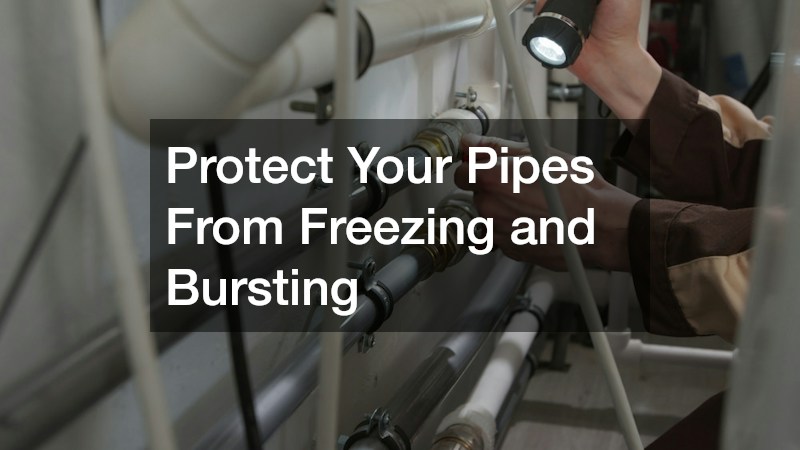
Frozen pipes are one of the most common and expensive winter emergencies, often resulting in flooding that damages floors, walls, and belongings before anyone notices the problem. Just a quarter-inch crack in a burst pipe can release over 250 gallons of water in a single day, turning a small oversight into a major repair bill. Pipes running through unheated basements, crawl spaces, garages, or exterior walls are the most vulnerable and deserve extra attention before temperatures drop below freezing.
Simple precautions can make a significant difference. Letting faucets drip slightly during extreme cold keeps water moving and relieves pressure buildup, while opening cabinet doors under sinks allows warm household air to reach pipes along exterior walls. Disconnecting garden hoses and shutting off exterior spigots prevents residual water from freezing and expanding back into interior lines.
A reputable plumbing company can identify high-risk areas in your home and recommend insulation or heat tape solutions tailored to your layout. They can also inspect for previous cold-weather damage, install pipe sleeves in crawl spaces, and advise on whether your home’s water shutoff valve is easily accessible in case of an emergency. Investing a little in professional prevention now is far cheaper than paying for water damage restoration later.
Simple habits also make a difference. Keeping cabinet doors open under sinks on exterior walls lets warm air circulate around the pipes, and letting faucets drip slightly during a hard freeze relieves pressure buildup inside the line. For pipes running through unheated spaces like garages, crawl spaces, or attics, foam pipe insulation sleeves are cheap—often just a dollar or two per foot—and take only minutes to install.
Knowing where your main water shutoff valve is located can save significant damage if a pipe does burst, since every minute of flowing water adds to the cleanup cost. Test the valve before winter arrives to make sure it turns smoothly; valves that haven’t been touched in years can seize up or leak when you finally need them. It’s also worth showing every adult in the household where the valve is and how to use it, so shutting off the water doesn’t depend on one person being home.
If you’ll be away for an extended stretch during cold weather, consider shutting off the main valve and draining the pipes entirely, or at minimum keeping the thermostat no lower than 55°F. A burst pipe discovered days later, after water has soaked into floors and walls, costs far more to repair than the extra heating bill ever would.
- Insulate pipes in crawl spaces, attics, and exterior walls using foam sleeves or wrap-style insulation, paying extra attention to any pipe within 3-4 feet of an outside wall
- Let faucets drip slightly during extreme cold (below 20°F) to keep water moving and relieve pressure buildup, focusing on fixtures fed by exposed or exterior-wall pipes
- Disconnect and drain outdoor hoses before the first freeze, then install insulated faucet covers on exterior spigots
- Seal drafts near pipes with caulk or spray foam where they pass through foundations, exterior walls, or unheated spaces, since cold air infiltration is often the real culprit behind frozen lines
- Keep cabinet doors under sinks open on frigid nights so household heat can reach pipes along exterior walls
- Know the location of your main shutoff valve and make sure everyone in the household does too, in case a pipe bursts and you need to act fast
Have Your Septic System Serviced Before the Ground Freezes
Once the ground freezes solid, accessing your septic tank for maintenance becomes far more difficult and sometimes impossible until spring thaw. Scheduling septic pumping in the fall ensures your system enters winter with adequate capacity, reducing the risk of backups when the tank is least accessible. A full tank combined with frozen ground is a frustrating combination that often leads to sewage backing up into the home at the worst possible time.
Cold temperatures also slow down the bacterial activity that breaks down waste in the tank, meaning a system that was borderline in October can become a real problem by January. If it has been more than three years since your last service, fall is the ideal window to get ahead of it.
- Have the tank pumped if it has not been serviced in two to three years
- Mark the tank lid location before snow makes it hard to find
- Avoid heavy vehicle or equipment traffic over the drain field in winter
- Ask about adding risers for easier future access
Prepare Your Yard and Drainage for Snow and Ice
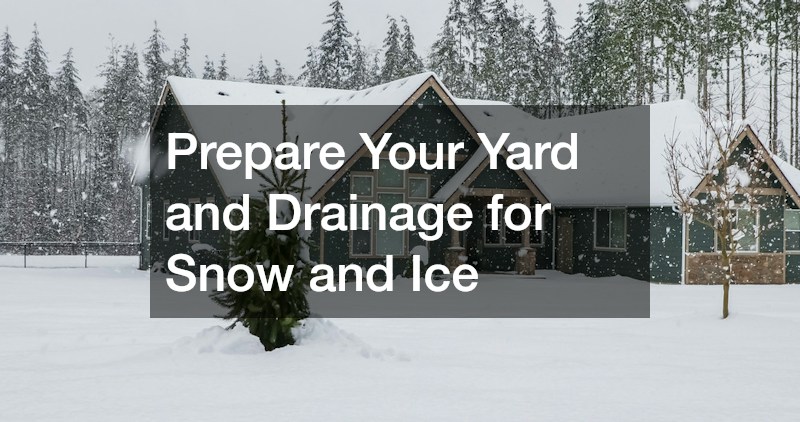
What happens outside your home directly affects what happens inside, especially when it comes to drainage and grading around the foundation. Poor grading can send melting snow directly toward your basement, so it is worth walking the perimeter of your home to check that the ground slopes away from the foundation. Working with landscape designers in the fall can help you address drainage issues, trim back trees that might drop heavy limbs under snow load, and protect delicate plants before the first frost.
Gutters and downspouts also play a critical role in managing winter runoff, and clogged gutters are a leading cause of ice dams that damage roofing and fascia. Clearing leaves and debris now, before they freeze into a solid mass, saves considerable frustration later in the season.
- Clean gutters and downspouts thoroughly before the first freeze
- Trim tree branches that hang near the roofline or power lines
- Ensure downspouts direct water at least five feet from the foundation
- Wrap or cover sensitive shrubs and young trees for insulation
Conclusion
Winter has a way of exposing every shortcut and skipped maintenance task, usually at the least convenient moment. Working through this checklist now, while there is still time to schedule inspections and repairs without rushing, puts you in control instead of reacting to emergencies. Start with whichever system feels most uncertain, whether that is your roof, your heating, or your plumbing, and work outward from there. A few proactive calls this fall can spare you a very cold and very expensive surprise this winter.