

Owning a home means budgeting for far more than your mortgage, utilities, and the occasional coat of paint. Every season brings its own set of maintenance tasks and repair surprises, many of which homeowners never see coming until a system fails or a storm rolls through. Understanding what expenses typically appear in spring, summer, fall, and winter can help you plan ahead instead of scrambling for cash when something breaks. This guide walks through the most common seasonal costs so you can budget smarter and avoid the panic of an unexpected bill.
Spring Storm Preparation and Window Protection Costs
As spring storms roll in, many homeowners realize their windows and doors are not equipped to handle high winds and flying debris. This is when calls to hurricane shutters companies tend to spike, especially in coastal and storm-prone regions where insurance providers now require documented storm protection before renewing a policy or offering discounts. Installing shutters is not a one-time impulse buy either, since pricing varies widely based on material, coverage size, and whether you choose accordion, roll-down, or removable panel styles. Accordion shutters typically run $15 to $25 per square foot installed and stay permanently attached, while roll-down versions can climb to $30 to $50 per square foot but offer push-button convenience during fast-approaching storms. Removable panels are the budget option, often $10 to $15 per square foot, though they require storage space and manual installation each time a storm warning is issued. Homeowners also need to budget for less obvious costs, like reinforcing the tracks and anchors that shutters attach to, upgrading garage doors to meet wind-load codes, or adding impact-resistant film to skylights and glass doors that shutters won’t cover. Permit fees and mandatory inspections in many hurricane-prone counties add another layer of expense that’s easy to overlook until the paperwork arrives. Getting quotes from multiple hurricane shutters companies before storm season peaks can also help avoid the rush pricing that kicks in once a named storm is already in the forecast.
Homeowners often underestimate how long it takes to schedule an installation before storm season peaks, which pushes prices higher during rush periods. Storm shutters, impact-resistant windows, and reinforced screens can take anywhere from two to six weeks to install once ordered, and that lead time stretches even further once the first spring storm warnings hit the news. Booking early in spring, before demand climbs, usually means better pricing and more flexible appointment windows. Contractors typically raise rates by 15% to 30% during peak storm season simply because demand outpaces their availability, and same-week appointments become nearly impossible to find. It’s also worth budgeting for the add-ons that often get overlooked, like resealing window frames, replacing worn weatherstripping, or upgrading to impact-rated glass, all of which add to the base installation cost. A basic set of storm shutters might run $200 to $500 per window, while impact-resistant window replacements can climb well into the thousands depending on home size. Scheduling a professional inspection in late winter, rather than waiting until spring storm forecasts start rolling in, gives homeowners time to compare quotes and catch minor issues before they become expensive emergency repairs.
- Accordion shutters run $15-$30 per square foot installed but fold neatly against the wall, so there’s no bulky storage bin taking up garage space
- Roll-down shutters cost $20-$35 per square foot and offer one-button convenience, but budget $150-$300 every few years for motor servicing or replacement
- Panel shutters are the cheapest option at $10-$20 per square foot, though they demand manual labor to haul out, hang, and store before and after every storm
- Beyond materials, factor in re-caulking or resealing tracks annually to prevent water intrusion around window frames
- Insurance discounts of 5-15% on windstorm coverage may offset a portion of installation costs, but check your policy’s specific shutter or impact-window requirements first
- Impact-resistant windows are a pricier alternative (often $700-$1,500 per window) but eliminate the need for separate shutter storage and installation labor altogether
Summer Pest Activity and Backyard Comfort

Warmer months bring an explosion of insect activity, and standing water from spring rains only makes things worse. Many families find that mosquito removal becomes a seasonal necessity rather than a luxury, particularly if they have low-lying yards, ponds, or wooded areas nearby. Professional treatments typically involve larvicide application and perimeter spraying that needs to be repeated every few weeks throughout the warm season.
Ignoring mosquito populations does not just mean itchy bites, it can also affect how much you use your outdoor living space. Homeowners who invest in ongoing treatment often find they get significantly more use out of patios, decks, and yards during peak summer months.
Roof Inspections After Winter Weather Damage
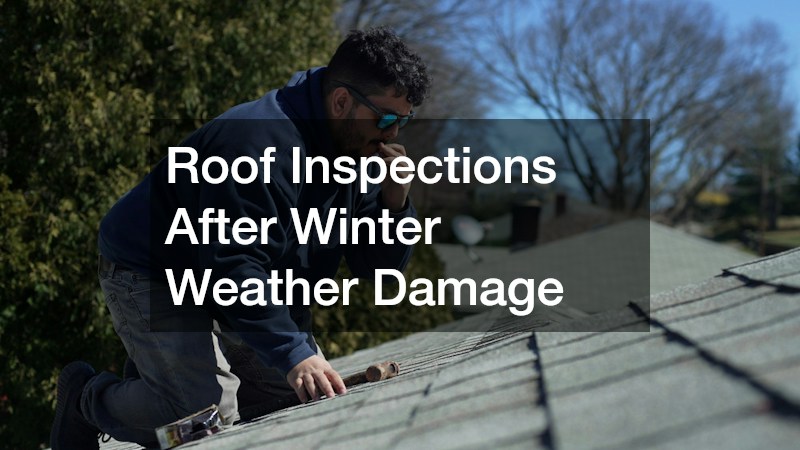
Once snow and ice melt away, many homeowners discover damage they never noticed during the colder months. This is the time of year when roofers see a noticeable uptick in service calls, as ice dams, heavy snow loads, and freeze-thaw cycles can loosen shingles or crack flashing. A thorough spring inspection catches small problems before they turn into leaks that damage insulation, drywall, and framing.
It is worth scheduling an inspection even if you do not see obvious signs of damage from the ground. Many issues, like lifted shingles or damaged underlayment, are only visible up close, and catching them early can save thousands in interior repair costs.
- Check for granule loss in gutters, which signals shingle wear
- Look for sagging spots that may indicate trapped moisture
- Inspect flashing around chimneys and vents for cracks
- Schedule inspections in early spring before storm season begins
Cooling System Tune-Ups Before Peak Heat
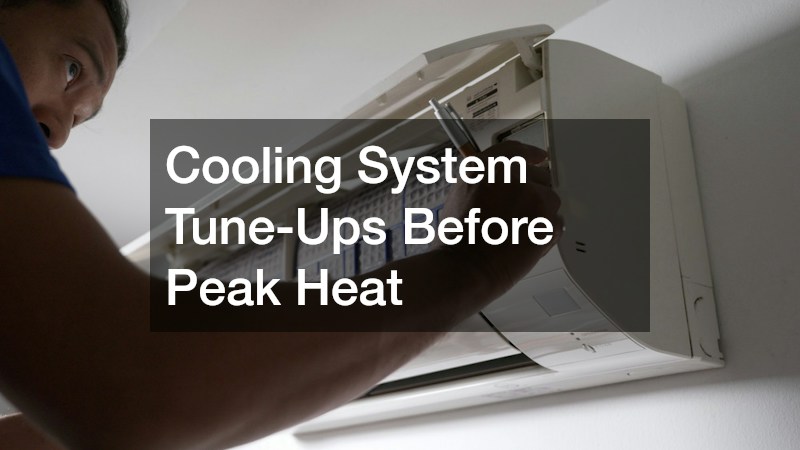
As temperatures climb, air conditioning systems that sat idle all winter suddenly get pushed to their limits. This is exactly when AC companies get flooded with calls from homeowners whose units are struggling to keep up or failing outright. A pre-summer tune-up, including coil cleaning, refrigerant checks, and filter replacement, can prevent a total breakdown during the hottest weeks of the year.
Skipping this seasonal maintenance often leads to higher energy bills, since a dirty or neglected system has to work much harder to cool the same space. Scheduling service in late spring, before demand peaks, also tends to mean shorter wait times and more availability for appointments.
Emergency Cooling Failures During Extreme Heat
Even well-maintained systems can fail unexpectedly during a heatwave, and this is when homeowners feel the true cost of not having a backup plan. Same-day AC repair often comes with premium pricing during peak summer months simply due to overwhelming demand. Common culprits include failed capacitors, refrigerant leaks, and frozen evaporator coils, all of which can leave a home uncomfortably warm within hours.
Having a trusted technician’s contact information saved before an emergency strikes can save valuable time when your system finally does fail. Many companies offer priority scheduling for existing maintenance customers, which is another reason seasonal tune-ups pay off beyond just efficiency.
- Listen for unusual clicking or grinding sounds as early warning signs
- Watch for warm air blowing from vents despite the thermostat setting
- Check for ice buildup on refrigerant lines
- Note any spike in humidity indoors, which often signals reduced cooling capacity
Garage Door Wear From Temperature Swings
Garage doors take a beating from constant use and fluctuating temperatures, and springs are usually the first component to fail. A broken garage door spring repair call often comes at the worst possible time, like when you’re rushing out the door for work or trying to get the car out before a storm. Extreme heat causes metal to expand and contract repeatedly, which gradually weakens springs until they snap without warning.
Regular lubrication and visual inspections can extend spring life, but eventually replacement becomes unavoidable. Homeowners should never attempt this repair themselves, since garage door springs are under intense tension and can cause serious injury if handled incorrectly.
Outdoor Living Investments for Fall Entertaining
As temperatures cool in autumn, many homeowners turn their attention to outdoor living spaces they want to enjoy before winter arrives. This is a popular season for a custom deck build, since cooler weather makes construction more comfortable for crews and materials cure properly without summer humidity interference. Planning a deck project in fall also means you’re ready to enjoy the space by the time spring entertaining season rolls around.
Material choice significantly affects both upfront cost and long-term maintenance requirements, so it pays to research options before committing. Composite decking costs more initially but requires far less upkeep than traditional wood over the years.
- Pressure-treated wood is budget-friendly but needs regular staining
- Composite materials resist rot and insects with minimal maintenance
- Railings and built-in seating add functionality but increase overall cost
- Permits are often required, so factor that into your project timeline
Plumbing Backups During Fall Leaf Season
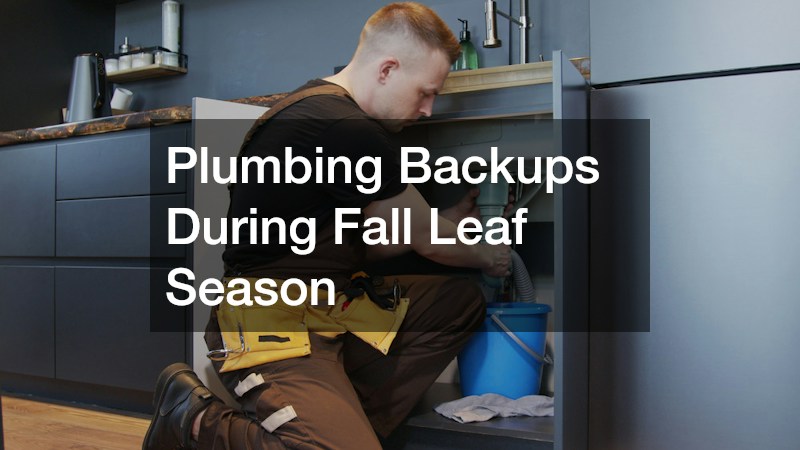
Falling leaves and debris create a perfect storm for household plumbing problems, especially as they wash into gutters and outdoor drains. Indoor pipes are not immune either, and clogged drain cleaning calls tend to rise as grease, food particles, and hair accumulate over months of heavy summer use. A slow drain in fall is often an early warning sign of a bigger blockage forming further down the line.
Regular maintenance, like flushing drains with hot water and avoiding pouring grease down the sink, can prevent many of these issues before they start. When a clog does not respond to basic home remedies, professional drain cleaning equipment can clear the line without damaging older pipes.
Septic System Maintenance Before Winter Freeze
Homes with septic systems face a unique seasonal challenge, since frozen ground can make repairs far more difficult and expensive during winter months. Scheduling septic tank pumping in fall ensures your system starts winter with adequate capacity, reducing the risk of backups when the ground is too hard to dig. Most systems need pumping every three to five years, though household size and usage patterns can shorten that interval considerably.
Warning signs of a system nearing capacity include slow drains throughout the house, gurgling sounds in pipes, and unpleasant odors near the drain field. Addressing these symptoms before winter arrives can prevent a much costlier emergency dig once the ground freezes solid.
Roofing Upgrades and Winter Readiness Costs
Late fall is one of the last practical windows to address serious roofing issues before winter weather makes construction difficult or impossible. Most roofing contractors stop taking on major jobs once temperatures consistently drop below 40°F, since shingle sealants won’t bond properly in the cold. That gives homeowners a narrow stretch, often just September through early November depending on climate, to schedule inspections and repairs before crews book up entirely. Homeowners facing significant damage or an aging roof often decide that roof replacement is more cost-effective than continued patch repairs. A single repair might run a few hundred dollars, but a homeowner who pays for three or four repairs across a couple of years can easily spend more than half the cost of a full replacement. Roofs older than 20 years, or those with widespread granule loss, curling shingles, or recurring leaks in multiple spots, are usually better candidates for replacement than another round of patching. Materials, labor availability, and weather conditions all factor into timing, and waiting too long can mean facing a leak during a snowstorm instead of on a mild fall afternoon. Asphalt shingles remain the most budget-friendly option, while metal roofing costs more upfront but holds up better against ice and heavy snow load. Homeowners should also budget for incidental costs like attic insulation checks or ventilation upgrades, which contractors often recommend alongside a new roof to prevent ice dams later in the season.
A full roof replacement typically runs anywhere from $8,000 to $20,000 or more depending on square footage, roofing material, and the pitch of the roof, making it one of the largest home expenses a homeowner will face. But it also offers an opportunity to upgrade insulation, ventilation, and materials for better long-term energy efficiency. Adding a radiant barrier or upgrading attic insulation during the project, for instance, can noticeably reduce heating costs once winter arrives. Homeowners should also factor in smaller but easy-to-overlook line items, like ice and water shield installation, new flashing around chimneys and vents, and gutter guards, all of which help prevent costly leaks and ice dam damage later in the season. These add-ons can push the final bill up by a few hundred to a couple thousand dollars, but they often pay for themselves by avoiding emergency repairs mid-winter. Getting at least three quotes and comparing not just price but warranty terms, material quality, and contractor reviews can help homeowners avoid corner-cutting work that fails prematurely. Manufacturer warranties often range from 20 years to lifetime coverage, but labor warranties vary widely and are worth negotiating. Scheduling the work early in fall gives contractors enough time to complete the project and address any surprises before winter closes the project window.
Seasonal home expenses are rarely convenient, but they are almost always predictable if you know what to watch for throughout the year. Building a maintenance calendar and setting aside a small monthly reserve for these recurring costs can turn sudden financial stress into manageable, planned spending. Start by identifying which seasonal task is coming up next on your property and get ahead of it before it becomes an emergency. A little proactive planning now can save you significant money and stress down the road.