

Every home has a hidden layer of infrastructure that keeps it running, from water heaters to electrical panels to roof vents, and none of it was designed with your color palette in mind. Homeowners often assume these systems have to stay ugly or exposed, or worse, they spend money hiding them in ways that create bigger headaches down the road. The good news is that with a little planning, you can work around necessary home systems while still building a space that feels cohesive and intentional. This guide walks through the most common problem areas and offers practical ways to blend function with style.
Softening the Look of Exposed Water Heaters and Furnaces
Mechanical closets and utility corners tend to sit in plain sight, whether in a basement, garage, or laundry room, and painting the walls around them can make a bigger difference than people expect. A fresh coat in a color that matches the surrounding room helps the equipment recede visually instead of standing out as an eyesore. Many homeowners bring in painting companies to handle these awkward spaces because uneven surfaces, pipes, and tight corners require more careful cutting-in work than a typical wall.
Beyond paint, simple additions like a curtain, folding screen, or slatted wood panel can visually separate mechanical equipment from living space without blocking necessary airflow or access for repairs. It is important to leave manufacturer-recommended clearance around any unit, so measure before you build a permanent enclosure. A little creativity here goes a long way toward making a utility area feel like part of the home rather than an afterthought.
Planning Around Fuel Tanks and Supply Lines

Homes that rely on propane for heating, cooking, or backup generators often have an above-ground tank that sits somewhere visible near the house or yard. Rather than ignoring it, homeowners can landscape around the tank with fast-growing shrubs or a decorative lattice fence, as long as they maintain the clearance required for safe servicing and refueling access. Check with your provider before planting anything, since roots and dense foliage can sometimes interfere with delivery trucks or technician access.
Painting the tank itself in a muted, earthy tone that blends with your siding or landscaping is another straightforward option that many propane companies allow, provided the color does not affect heat absorption or violate local codes. A small decorative structure, like a painted wood surround with hinged access panels, can also disguise a tank while keeping it fully functional. The goal is camouflage, not concealment, since technicians still need quick and safe access for inspections and refills.
Working With Rooflines, Vents, and Metal Roofing Details
Roof vents, flashing, and exhaust stacks are necessary for ventilation, but they can visually clutter an otherwise clean roofline if not planned thoughtfully. When replacing or upgrading a roof, many homeowners now consult metal roofing contractors who can color-match vent covers and flashing to the roofing material itself, creating a much more seamless appearance from the street. This kind of coordination is far easier to arrange during a roof replacement than after the fact, so it is worth raising during initial project discussions.
Metal roofing also offers more flexibility in finish and profile than many homeowners realize, with options ranging from standing seam panels to shingle-style tiles that mimic traditional materials. Choosing a style that complements your home’s architecture, rather than simply picking the cheapest option, pays off in curb appeal for decades. A roof that looks intentional, rather than purely functional, sets the tone for the rest of your exterior design.
Concealing Electrical Panels and Meter Boxes
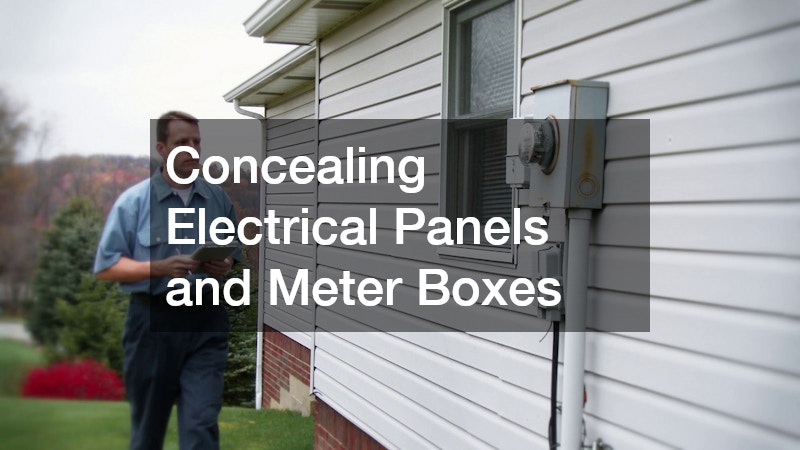
Electrical panels are required by code to remain accessible, which means they cannot be fully boxed in or hidden behind permanent cabinetry. However, a shallow hinged cabinet door painted to match the wall, or a piece of framed artwork on a hidden hinge, can offer a stylish cover while still allowing quick access when needed. This approach works especially well in hallways, mudrooms, or basements where the panel sits at eye level.
Outdoor meter boxes and disconnect switches can be softened with plantings or a decorative screen, as long as utility workers can still reach them without obstruction. Choose low-growing shrubs or a lightweight lattice panel that can be swung open rather than lifted or unbolted, since anything cumbersome discourages easy access during a reading or repair. A little distance and a visual buffer are usually enough to make the box less noticeable.
Designing Kitchens Around Plumbing and Ventilation Constraints
Kitchens are packed with necessary systems, including gas lines, water supply pipes, and exhaust ductwork for range hoods, all of which limit where appliances and cabinetry can go. A skilled kitchen remodeler can help you understand which walls are load-bearing or carrying plumbing stacks before you fall in love with a layout that is not actually feasible. Knowing these constraints early prevents costly change orders once demolition begins.
Good design does not fight these limitations, it works with them, using cabinetry panels, toe-kick vents, and decorative range hood covers to visually integrate necessary components into the overall look. Open shelving can also be used strategically to draw the eye away from a bulky vent hood or an oddly placed soffit hiding ductwork. The result is a kitchen that feels custom-built around your systems rather than compromised by them.
Choosing Durable, Attractive Flooring Near Mechanical Zones

Areas near water heaters, sump pumps, and washing machines see more moisture and wear than the rest of the house, which makes material choice especially important. Tile remains one of the most popular options for these zones because it resists water damage, is easy to clean, and comes in enough styles to match nearly any design direction. Porcelain and ceramic varieties in particular hold up well in basements, laundry rooms, and mudrooms where equipment failures can occasionally cause small leaks.
- Choose a matte or textured finish in mechanical areas to reduce slipping when floors get wet
- Use larger format tile in small utility rooms to minimize grout lines and simplify cleaning
- Match tile tone to adjoining rooms so the utility space does not feel visually disconnected
- Consider a slight slope or floor drain near appliances prone to leaks
Managing Roof Drainage Without Cluttering Your Exterior
Gutters and downspouts are essential for directing water away from your foundation, but poorly maintained or mismatched systems can make an otherwise attractive exterior look neglected. Scheduling regular gutter repairs prevents sagging, rust stains, and overflow damage that draw the eye in all the wrong ways. Keeping gutters cleaned and properly pitched also protects your siding and landscaping investment, so it is not purely a cosmetic concern.
When it comes time to replace an aging system, choosing a gutter color that matches or complements your fascia and trim makes a noticeable difference in how put-together your home looks from the curb. Concealed hangers and seamless gutter runs also reduce visual clutter compared to older sectional systems. A well-maintained gutter system is one of those details that people notice only when it is falling apart, so staying ahead of repairs pays off in appearance as well as function.
Keeping Trees and Landscaping From Threatening Your Home Systems

Landscaping plays a major role in how well your home’s systems are hidden or highlighted, but overgrown trees can create real risks to roofing, siding, and underground lines. Branches hanging too close to the roof can trap moisture, damage shingles or metal panels, and provide easy access for pests trying to get into your attic. In more serious cases, root systems from mature trees can grow into septic lines or foundation footings, leading to expensive repairs.
A professional tree removal or trimming service can help you strike the right balance, keeping trees that add shade and curb appeal while removing or pruning back growth that threatens your home’s infrastructure. This is especially important before installing new landscaping around tanks, meters, or utility boxes, since you do not want fast-growing roots undoing your design work in a few years. Regular pruning also keeps trees looking healthier and more attractive, which supports your broader landscaping goals.
Protecting Septic and Chimney Systems Through Routine Maintenance
Some home systems are easy to forget because they live underground or inside a wall, but neglecting them creates both safety risks and unattractive emergency repairs later. Septic systems need regular septic pumping to prevent backups that can flood your yard and damage the landscaping you have worked hard to design. As a general rule, a typical three-bedroom home with a 1,000-gallon tank needs pumping every three to five years, though a larger household or a smaller tank will need more frequent service. Staying on a pumping schedule based on household size and tank capacity is far cheaper than dealing with a failed drain field, which can cost thousands of dollars to replace and may take your yard out of commission for weeks. Chimneys deserve the same disciplined attention, even though they are easy to ignore when they are not actively in use. Creosote buildup from wood-burning fireplaces is a leading cause of house fires, so most experts recommend an annual inspection and cleaning before the start of heating season. A professional sweep will also check for cracked flue liners, blocked caps, and animal nests, any of which can force dangerous fumes back into your living space. Both systems reward homeowners who think ahead rather than react. Marking pumping and sweep dates on a shared calendar, keeping service records, and budgeting for these visits as routine maintenance rather than surprise expenses will protect your home’s safety and your décor investment alike.
Chimneys carry similar out-of-sight risks, since creosote buildup and structural cracks are not visible from the living room but can lead to house fires or costly masonry repairs. The National Fire Protection Association recommends annual inspections for every chimney, fireplace, and vent, regardless of how often you actually use them. Hiring a qualified chimney inspection company once a year catches these problems early, before they force you into disruptive and expensive renovations. A Level 1 inspection covers the readily accessible parts of the chimney and suits homes with no known issues, while a Level 2 inspection—required after a home sale, a chimney fire, or major weather events—includes a video scan of the flue lining. Costs typically range from $100 to $300 for a basic visit, a small price compared to the thousands a masonry rebuild or fire-related repair can run. Between professional visits, homeowners can watch for warning signs themselves: a strong campfire-like odor from the fireplace, dark streaks on the exterior masonry, or white staining called efflorescence, which signals moisture intrusion. Catching these clues early lets you schedule a repair before the damage spreads to the roofline or attic space. Keeping both septic and chimney systems properly maintained protects the investment you have made in the rest of your home’s design.
Building a Whole Home Maintenance Routine That Supports Your Design Goals
Decorating around necessary systems works best when it is paired with a consistent maintenance routine, since a well-kept system is always easier to disguise than a failing one. Bringing in a reliable cleaning company for regular deep cleaning of vents, filters, and utility areas keeps dust and grime from making equipment look worse than it actually is. A clean, well-organized mechanical space photographs better, shows better to guests, and simply feels less like clutter.
- Set seasonal reminders for HVAC filter changes and vent dusting
- Schedule annual inspections for roofing, chimney, and septic systems together to simplify planning
- Keep a folder of manuals and service records for major systems in one accessible spot
- Walk your property twice a year to check for new landscaping or drainage issues near utilities
Decorating around necessary home systems is less about hiding them completely and more about integrating them thoughtfully into your overall design. With the right combination of materials, maintenance, and a few strategic upgrades, even the most utilitarian corners of your home can feel intentional. Start with one problem area at a time, whether that is a visible propane tank or a cluttered roofline, and build outward from there. A home that balances function and style does not happen overnight, but every small improvement adds up to a space you will genuinely enjoy living in.