

A small leak, a hairline roof crack, or a sticking door might seem like minor annoyances, but left unaddressed they can snowball into five-figure repair bills. Most catastrophic home damage doesn’t happen overnight; it builds slowly behind walls, under slabs, and beneath shingles until the problem becomes impossible to ignore. The good news is that a handful of strategic upgrades and routine checks can catch these issues early, saving you money, stress, and disruption. This guide walks through the smartest investments homeowners can make to protect their property before small problems turn into major disasters.
Detecting Hidden Water Leaks Under Your Foundation
One of the most expensive problems a homeowner can face is a leak that develops underneath the concrete slab of their house. These leaks are often invisible at first, hiding behind slightly higher water bills or a warm spot on the flooring, until the damage has already spread to the foundation itself. Professional slab leak detection uses acoustic equipment and thermal imaging to pinpoint the exact location of a leak without tearing up your entire floor. Catching this early can mean the difference between a targeted repair and a full foundation overhaul.
Homeowners in older properties or homes built on reactive soil should be especially proactive about this kind of inspection. Waiting until you see visible cracks in walls or flooring usually means the damage has already progressed significantly.
- Watch for unexplained spikes in your water bill
- Listen for the sound of running water when all fixtures are off
- Notice warm patches on flooring, which can indicate a hot water line leak
- Schedule an inspection if your home is over 20 years old and has never been checked
Scheduling Regular Plumbing Inspections Before Pipes Fail
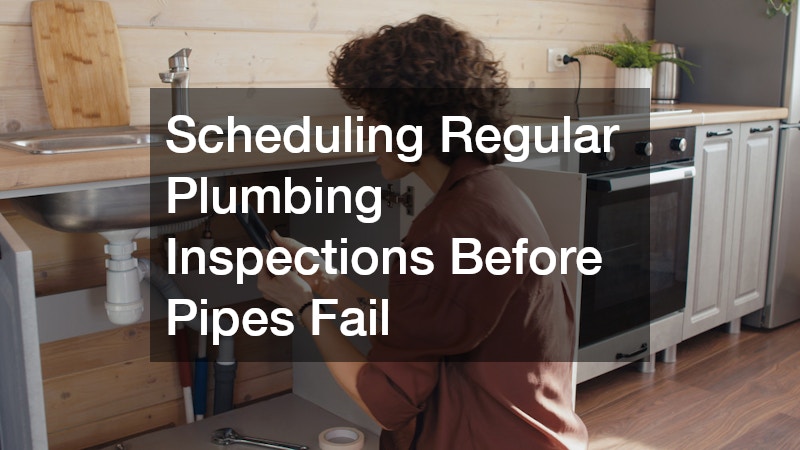
Pipes don’t usually announce their failure in advance; they simply give out, often while you’re at work or asleep. Licensed plumbers can identify warning signs like corroded fittings, low water pressure, or aging galvanized pipe long before a full rupture occurs. A routine inspection every couple of years is a small expense compared to the cost of repairing a burst pipe and everything it damages on its way out.
Many homeowners only think to call a professional once water is already pooling on the floor, but a proactive relationship with a trusted plumbing team pays off over the life of your home. They can also flag issues with your water heater, sump pump, or main shutoff valve that you’d otherwise miss.
- Ask for an inspection of exposed pipes in the basement or crawl space
- Replace supply lines to washing machines and dishwashers every 5 to 10 years
- Have your water pressure tested annually, since high pressure stresses pipe joints
- Know the location of your main water shutoff valve before an emergency happens
Keeping Your Pool From Becoming a Costly Liability
A backyard pool adds value and enjoyment to a property, but neglecting it can lead to expensive structural and mechanical problems. Cracked tile, unbalanced water chemistry, and a failing pump can escalate quickly if not addressed. Consistent pool maintenance keeps the water chemistry balanced, which protects not just the plumbing and filtration system but also the surrounding pool deck from staining and erosion.
Skipping seasonal maintenance is one of the most common ways homeowners end up facing a surprise repair bill. A neglected pool can also become a breeding ground for algae and bacteria, which is both a health concern and an expensive cleanup project.
- Test water chemistry weekly during swimming season
- Inspect the pump and filter system monthly for unusual noise or reduced flow
- Clear debris from skimmers regularly to avoid strain on the circulation system
- Have the pool professionally serviced before opening and closing each season
Extending Roof Life With Timely Inspections and Repairs

Your roof is your home’s first line of defense against the elements, and even small amounts of neglect can lead to significant interior damage. A missing shingle or a small area of flashing failure might not seem urgent, but it allows water to seep into the attic and wall cavities over time. Reputable roofing companies recommend an inspection at least once a year, plus additional checks after major storms, to catch problems while they’re still cheap to fix.
Many roof failures are gradual, which is exactly what makes them so dangerous financially. By the time you notice a stain on your ceiling, moisture has often been collecting in the attic insulation and framing for months.
- Check for granules collecting in gutters, a sign of shingle wear
- Look for daylight coming through the attic boards
- Trim overhanging branches that can damage roofing material during storms
- Replace cracked or curling shingles before the next rainy season
Choosing the Right Professional for Multi-System Renovations
When a home improvement project touches more than one system, such as combining electrical work with structural changes or a kitchen remodel that involves plumbing and framing, coordinating multiple specialists yourself can lead to costly miscommunication. Experienced general contractors manage these moving parts, ensuring permits are pulled correctly and that work passes inspection the first time. This oversight prevents the kind of rushed or mismatched work that often results in leaks, structural weaknesses, or code violations down the line.
Trying to save money by skipping professional project management on a complex renovation frequently backfires. Subcontractors who aren’t coordinated properly can damage each other’s work, leading to rework that costs more than hiring proper oversight from the start.
- Verify licensing and insurance before signing any contract
- Ask for a written timeline and payment schedule
- Request references from recent, similar-sized projects
- Confirm who is responsible for pulling permits
Protecting Your Yard’s Drainage and Grading
The ground surrounding your home plays a bigger role in preventing damage than most people realize. Poor grading directs water toward your foundation instead of away from it, and overgrown root systems can crack driveways, patios, and even underground pipes. Consistent landscape maintenance includes checking that soil slopes away from the house and that mulch beds aren’t holding moisture against the siding.
Trees planted too close to the home are a frequently overlooked source of long-term damage. Roots seeking moisture can infiltrate sewer lines, while overhanging limbs deposit debris that clogs gutters and traps moisture against the roofline.
- Ensure soil grade slopes away from the foundation at a minimum of six inches over ten feet
- Keep tree roots at least ten feet from underground utility lines
- Clean gutters and downspouts seasonally to direct water away from the home
- Aerate and inspect the lawn for pooling water after heavy rain
Responding Quickly When Moisture Gets Inside
Once water finds its way into a home, whether from a roof leak, burst pipe, or flooding, the clock starts ticking. Mold can begin growing within 24 to 48 hours, and materials like drywall and subflooring absorb moisture quickly, often requiring full replacement rather than simple drying. Addressing water damage immediately, rather than waiting to see if it dries out on its own, is one of the most important financial decisions a homeowner can make.
Insurance policies often have specific timelines for reporting water-related incidents, so documenting the damage right away also protects your ability to file a claim. Acting fast limits the spread of moisture to adjacent rooms and reduces the likelihood of long-term structural issues.
- Shut off the water source immediately if a leak is active
- Photograph the affected area before starting cleanup
- Use fans and dehumidifiers to begin drying within hours, not days
- Contact your insurance provider promptly to understand coverage details
Upgrading Entry Points to Improve Security and Efficiency

Exterior doors take a beating from weather, daily use, and temperature swings, and an old or warped door does more than look outdated. Gaps around the frame let in moisture and pests, while poor insulation drives up energy bills throughout the year. Even a quarter-inch gap under a door can let in enough air leakage to noticeably affect heating and cooling costs over a year. Standard doors are built to fit generic frame sizes, so as a house settles or humidity levels shift, small gaps often form that homeowners don’t notice until drafts or pest problems show up. Many homeowners invest in custom entry doors not just for curb appeal but because a properly fitted door seals tighter and resists warping far better than an off-the-shelf option. Custom doors also allow for upgraded core materials, like fiberglass or steel with foam insulation, which hold up better against moisture and temperature swings than hollow or solid-wood alternatives. Beyond insulation, many custom options include reinforced frames and multi-point locking systems, adding a real layer of security compared to a standard single-deadbolt setup. When paired with quality weatherstripping and a properly sloped threshold, these upgrades keep water from pooling at the base of the door, preventing rot and structural damage down the line.
If your current door sticks, doesn’t latch properly, or shows visible daylight around the edges, it’s worth evaluating exterior door replacement sooner rather than later. These are classic signs that the door has warped, the frame has shifted, or the weatherstripping has failed, and none of these problems improve with time. Beyond the obvious comfort issues, a poorly sealed door is a security and efficiency liability. Gaps around the edges let in drafts that force your HVAC system to work harder, and the same gaps can make it easier to force the door open. A door with a solid steel or fiberglass core, paired with a properly installed deadbolt and reinforced strike plate, addresses both concerns at once. Waiting too long can mean the surrounding frame and threshold suffer water intrusion, turning a simple door swap into a more involved carpentry repair. Moisture that seeps in around a compromised seal can rot wood framing, warp subflooring, and even invite termites, damage that often isn’t visible until you remove the old door and trim. When budgeting for exterior door replacement, factor in not just the unit cost but potential frame repair, new weatherstripping, and updated hardware. Catching the problem early, while it’s still cosmetic rather than structural, keeps the project affordable and straightforward.
- Check weatherstripping for cracks, gaps, or flattened areas once a year, and replace it if it no longer springs back when pressed
- Test for drafts around the frame during colder months by holding a lit candle or incense stick near the edges and watching for flickering
- Inspect the threshold for soft spots, discoloration, or a musty smell that indicate water intrusion underneath
- Add a door sweep or draft blocker at the bottom if daylight is visible around the edges when the door is closed
- Consider fiberglass or steel doors for better resistance to warping, denting, and moisture damage compared to solid wood
- Upgrade to a smart lock or reinforced strike plate with 3-inch screws to improve both security and long-term frame durability
- Reseal or caulk around the exterior door frame every few years to keep water from seeping into the wall cavity
Refreshing Exterior Surfaces to Prevent Long-Term Wear
Paint does more than improve appearance; it acts as a protective barrier against moisture, UV rays, and pests. When exterior paint begins to crack or peel, the underlying wood or siding is exposed to the elements, which can lead to rot and costly structural repairs. Hiring professional painting companies to repaint every five to seven years, or sooner in harsh climates, preserves the integrity of your siding and trim.
Beyond aesthetics, a fresh, properly applied coat of paint can reveal underlying issues like soft wood or hidden moisture before they become severe. A qualified painter will often flag these problems during preparation, giving homeowners a valuable early warning system.
- Inspect siding and trim annually for peeling, bubbling, or fading paint
- Address caulking gaps around windows and doors before repainting
- Choose high-quality exterior paint rated for your climate
- Repaint decks and fences to prevent wood rot from sun and rain exposure
Preventing expensive home damage isn’t about tackling every project at once; it’s about staying alert to the small warning signs and addressing them before they escalate. Regular inspections, timely repairs, and choosing the right professionals for each job will save you far more in the long run than any short-term cost you might avoid by waiting. Start with the systems most vulnerable in your specific home, whether that’s aging pipes, a worn roof, or a drafty entry door, and build a maintenance routine around them. Your future self, and your bank account, will thank you for it.