

There’s nothing more frustrating than cranking up the thermostat and still reaching for a sweater indoors. If your furnace runs nonstop but your living room still feels chilly, the problem often has nothing to do with the thermostat setting at all. Cold homes are usually the result of several small issues working together, from aging equipment to gaps you can’t see. This guide walks through the most common culprits so you can figure out where your heat is actually going.
Aging or Malfunctioning Furnace Components
When a furnace struggles to keep up, the issue is often mechanical rather than a matter of thermostat settings. A furnace typically lasts 15 to 20 years, and by the later stretch of that lifespan, individual components start to degrade well before the whole unit fails outright. Worn-out igniters, clogged burners, or a failing blower motor can all cause your system to run continuously while producing less warm air than it should. A cracked heat exchanger or a slipping blower belt can quietly rob the system of efficiency, sometimes cutting airflow by 20% or more without ever tripping an obvious warning sign. Dirty flame sensors are another common culprit, causing the burner to shut off prematurely and forcing short, ineffective heating cycles throughout the day. Many homeowners try to compensate by raising the temperature, which only increases wear on an already struggling unit. This creates a cycle where the furnace runs longer hours at higher settings, accelerating the breakdown of the very parts causing the problem in the first place. A yearly professional tune-up can catch these issues early, often for far less than the cost of a mid-winter emergency repair or a full system replacement.
Furnaces don’t fail all at once — they wear down gradually, and the warning signs are often easy to dismiss. A cracked heat exchanger, a failing blower motor, a worn-out capacitor, or a malfunctioning limit switch can all cause your system to run without actually heating your home effectively. Ignition problems and dirty flame sensors are also common culprits, especially in units that haven’t had regular maintenance. If your system is more than ten years old and you’re noticing uneven heating, short cycling, or strange noises like grinding, rattling, or booming, it may be time to call a professional for heating repair rather than waiting for a full breakdown. These symptoms rarely resolve on their own, and running a struggling furnace continuously often accelerates wear on the remaining healthy components. A technician can diagnose whether the issue is a simple part replacement — often in the $150 to $450 range depending on the component — or a sign that the whole unit needs replacing. They’ll typically check the heat exchanger for cracks, test electrical connections, measure airflow, and inspect the ignition system during a standard diagnostic visit. Catching these problems early often saves money compared to emergency repairs in the dead of winter, when demand is high and parts may take longer to source. A furnace nearing the end of its 15-to-20-year lifespan may also cost more to keep patching than to replace outright, which is worth discussing honestly with your technician.
- Listen for banging, clicking, or grinding sounds during operation — banging often means a delayed gas ignition, while grinding can signal a failing blower motor bearing
- Check if certain rooms are consistently colder than others, which may point to blocked ductwork, worn-out ductwork insulation, or a furnace too small for your home’s square footage
- Note how long the system runs before shutting off — cycles shorter than 10-15 minutes suggest short-cycling, often caused by a dirty flame sensor or clogged filter
- Watch for a noticeable increase in your energy bills, especially a jump of 10% or more without a change in usage or weather patterns
- Pay attention to the age of your furnace; units older than 15-20 years lose efficiency and are more prone to component failure
- Check the pilot light or ignition flame color — it should burn blue, not yellow or flickering, which can indicate a ventilation or combustion issue
Poor Attic and Wall Insulation
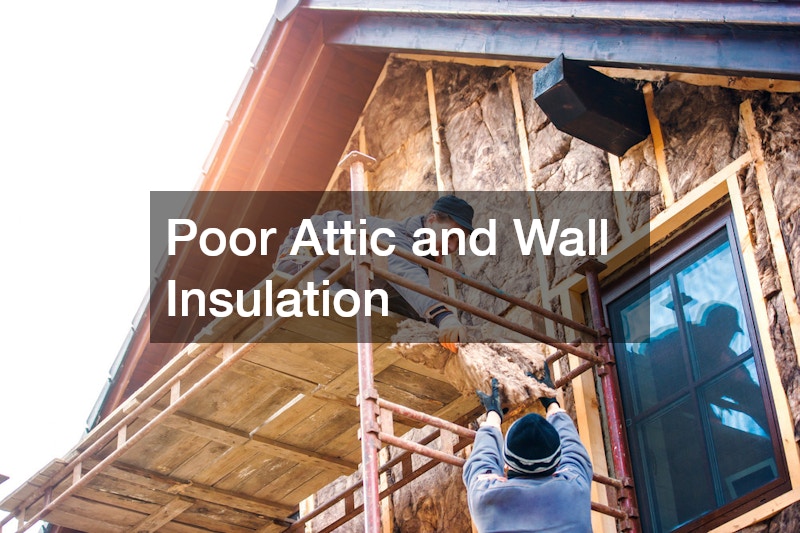
Heat naturally rises, and if your attic insulation is thin or unevenly distributed, warm air escapes through the roof almost as fast as your furnace can produce it. The Department of Energy estimates that up to 25% of a home’s heat loss occurs through an under-insulated attic, making it one of the single biggest culprits behind a chronically cold house. Older homes in particular often have insulation that has settled or compacted over the decades, leaving gaps that let heat slip away. Fiberglass batts can lose loft over time, while loose-fill cellulose tends to shift and thin out near the eaves, exactly where sealing matters most. If your attic has less than R-38 insulation (roughly 10-14 inches, depending on material), you’re likely well below current recommended levels for most northern and midwestern climates. Walls tell a similar story, though the damage is harder to see. Homes built before the 1970s were frequently insulated with minimal material or none at all, and even newer construction can have insulation that’s improperly installed, compressed, or missing behind outlets, corners, and window headers. A simple test is to feel the wall surface near an exterior corner on a cold day; if it’s noticeably cool to the touch, insulation is likely underperforming. This is one of the most common reasons homeowners feel like they’re heating the outdoors instead of their living room, and it’s often invisible until an energy audit or infrared scan reveals exactly where the warm air is escaping.
Wall insulation matters just as much, especially in homes built before modern energy codes were standardized, typically pre-1980 in many regions. A simple way to check is to feel interior walls on a cold day; if they feel noticeably cool to the touch, insulation is likely insufficient or missing entirely in that section. You can also do a quick outlet test: turn off power to a wall outlet, remove the cover plate, and peek inside to see whether insulation is actually present behind the drywall. The attic deserves equal attention, since the Department of Energy recommends R-38 to R-60 insulation depending on climate zone, yet many older homes have only R-13 to R-19. If you can see the tops of your attic floor joists poking through the insulation, that’s a clear sign you’re underinsulated. Gaps around recessed lighting, attic hatches, and plumbing stacks are also common heat-loss points that get overlooked. Adding blown-in insulation or upgrading existing material can make a dramatic difference without requiring major construction. Blown-in cellulose or fiberglass can typically be installed in a single day and often pays for itself within a few years through lower heating bills. For walls, dense-pack cellulose injected through small drilled holes is usually far less invasive than tearing into drywall, making it a practical option for finished homes.
Drafty Windows and Poorly Insulated Glass Panes
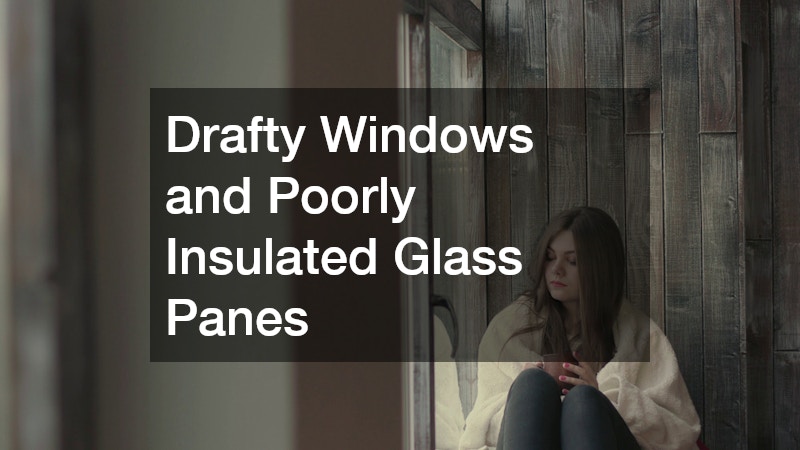
Windows are one of the biggest sources of heat loss in any home, particularly if they’re single-pane or have deteriorating seals. Even well-built windows lose efficiency over time as caulking cracks and weatherstripping wears thin. If you can feel a breeze near a closed window, that’s a clear sign heat is escaping right through the frame.
Upgrading your window coverings is one of the simplest and most affordable ways to reduce this heat loss without replacing the windows themselves. Thermal curtains, cellular shades, and insulated blinds all create an extra barrier between the glass and your living space. Closing them at night and opening them during sunny afternoons can meaningfully reduce how hard your heating system has to work.
- Choose cellular or honeycomb shades for the best insulating properties
- Look for curtains with thermal or blackout lining
- Seal gaps around window frames with weatherstripping tape
- Consider storm windows for particularly old or drafty units
Leaky Ductwork and Poor Airflow
Even a perfectly functioning furnace can’t heat your home effectively if the ductwork carrying warm air is full of leaks. Ducts running through unheated attics, crawl spaces, or basements are especially prone to losing heat before it ever reaches your rooms. Over time, joints loosen, insulation around ducts deteriorates, and small tears develop that let conditioned air escape.
A home performance professional can pressure-test your ductwork to identify exactly where leaks are occurring. Sealing these gaps with mastic sealant or metal tape, and insulating exposed duct runs, often improves heating efficiency significantly. This is a frequently overlooked fix that homeowners skip in favor of simply adjusting the thermostat.
Gaps Around Pipes and Plumbing Penetrations
Every place a pipe enters or exits your home is a potential point of heat loss, and many homeowners never think to check these spots. Gaps around plumbing penetrations under sinks, near water heaters, or where pipes pass through exterior walls can let in surprising amounts of cold air. These small openings add up, especially in older homes where original construction didn’t prioritize sealing around utility lines.
If you’re already having work done on your water heater or pipes, it’s worth asking plumbers to point out any gaps they notice while they’re in the walls or crawl space. Sealing these openings with expanding foam or caulk is inexpensive and can be done in an afternoon. It’s a small task that’s easy to overlook but can noticeably reduce drafts in rooms near plumbing fixtures.
- Check under kitchen and bathroom sinks for visible gaps
- Inspect where the water heater’s pipes exit the wall
- Look at exterior spigots and hose bib connections
- Seal any gaps with caulk or expanding foam insulation
Roof Damage and Compromised Attic Seals

A damaged or aging roof doesn’t just risk leaks during storms; it can also be a hidden source of heat loss throughout the winter. Missing shingles, damaged flashing, or gaps around vents and chimneys let cold air infiltrate the attic space and push warm air out faster than normal. Even minor roof damage that doesn’t cause visible water intrusion can still compromise your home’s overall thermal envelope.
Scheduling roof repair before winter sets in is one of the most effective ways to prevent this kind of energy loss. A qualified contractor can inspect flashing around chimneys and vents, replace damaged shingles, and confirm that attic ventilation isn’t inadvertently letting in cold outdoor air. Addressing these issues proactively also helps protect the insulation underneath from moisture damage.
Overhanging Trees Blocking Southern Sun Exposure
Natural sunlight through south-facing windows can provide a surprising amount of passive heat during the day, but overgrown branches often block this free warmth. Homes surrounded by dense tree cover may stay noticeably colder simply because sunlight never reaches the windows during peak daylight hours. This is a subtle factor that many homeowners overlook when troubleshooting a cold house.
Hiring tree services to trim back branches that shade south and west-facing windows can allow more natural light and warmth into your home during winter months. This doesn’t mean removing trees entirely, since they also provide valuable wind-blocking benefits on the north side of a property. A thoughtful trimming plan balances sun exposure with wind protection for the most comfortable result.
Outdated Electrical Systems Affecting Heating Equipment
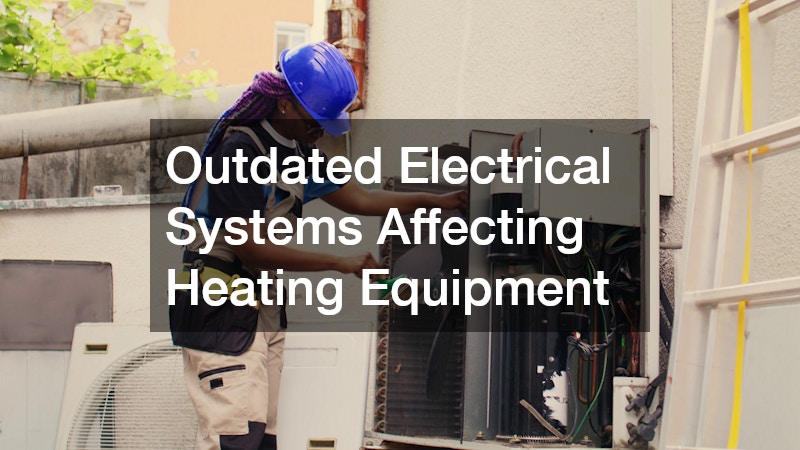
Modern heating systems, especially those with electronic thermostats, zoned controls, or variable-speed blowers, rely on stable electrical service to function properly. Homes with outdated wiring or insufficient amperage can experience power fluctuations that cause heating equipment to cycle inconsistently or shut off unexpectedly. This is a less obvious cause of a cold home, but it’s a real one, particularly in older properties.
If your heating system experiences unexplained shutoffs or your circuit breakers trip frequently during heavy use, it’s worth having licensed electrical contractors evaluate your home’s panel and wiring. They can determine whether your electrical system can adequately support your furnace, especially if you’ve added other high-demand appliances over the years. Upgrading an outdated panel is sometimes the missing piece that finally lets your heating system run the way it was designed to.
Exterior Gaps From Recent Home Improvement Projects
Sometimes the source of a cold home traces back to recent renovations that inadvertently created new gaps or removed insulation without properly replacing it. A kitchen remodeling project that involved moving exterior walls, relocating vents, or installing new windows can leave small construction gaps if not finished carefully. Similarly, installing new countertop companies‘ materials near exterior walls sometimes requires cutting into backsplashes or cabinetry in ways that disturb existing insulation.
If your home started feeling colder after a renovation, it’s worth having a contractor inspect the affected areas for improperly sealed gaps. This is especially common around new windows, relocated plumbing, or altered exterior walls where insulation may not have been fully restored. A quick follow-up inspection can catch these issues before they become a recurring seasonal frustration.
Driveway and Foundation Grading Issues Near Exterior Walls
The ground surrounding your home’s foundation plays a bigger role in indoor temperature than most people realize. Improper grading or damaged concrete driveways that slope toward the house can direct cold water and moisture against your foundation walls, increasing heat loss through masonry. Cracked or settling concrete near the foundation can also create gaps that allow cold air infiltration at the base of exterior walls.
Additionally, if your property uses chain link fences or other barriers close to the home’s exterior, it’s worth checking whether they’re creating wind tunnels that funnel cold air directly against vulnerable walls or windows. Regrading the soil away from the foundation and repairing damaged driveway sections can reduce moisture intrusion and improve overall thermal performance. These exterior fixes are often overlooked because they seem unrelated to indoor comfort, but foundation-level drafts genuinely affect how warm your home feels.
A cold home despite constant heating usually points to several small issues rather than one obvious culprit, from aging equipment to overlooked gaps around your home’s exterior. Start by ruling out the most likely causes, like insulation, ductwork, and window drafts, before assuming your furnace itself is failing. If simple fixes don’t solve the problem, bringing in a qualified professional to inspect your specific situation will save you both time and money. Taking action now means a warmer, more comfortable home before the coldest months of the year arrive.