

Recovering from water damage or major home repairs can feel overwhelming, especially when you are trying to figure out what needs fixing first and how to make your home feel whole again. Beyond patching up the visible damage, this is often the perfect opportunity to reassess your space, improve its function, and prevent future problems. Whether you are dealing with a burst pipe, storm damage, or the aftermath of a renovation, a thoughtful recovery plan can turn a stressful situation into a chance for meaningful improvement. This guide walks you through the key steps to restoring your home safely, efficiently, and with long-term value in mind.
Start With a Thorough Damage Assessment
Before any repair work begins, it is important to understand the full scope of what happened to your home. Water damage in particular can spread quietly into walls, subfloors, and ceilings long after the initial event, so a surface-level look is rarely enough. Bringing in a professional inspector or contractor to evaluate moisture levels, structural integrity, and hidden damage can save you from costly surprises later. This step also helps you prioritize which repairs are urgent and which can wait.
- Check for discoloration, warping, or soft spots on walls and floors
- Use a moisture meter or hire a professional to test for hidden dampness
- Document everything with photos for insurance purposes
- Look for musty odors that may indicate mold growth
Addressing Structural Concerns First
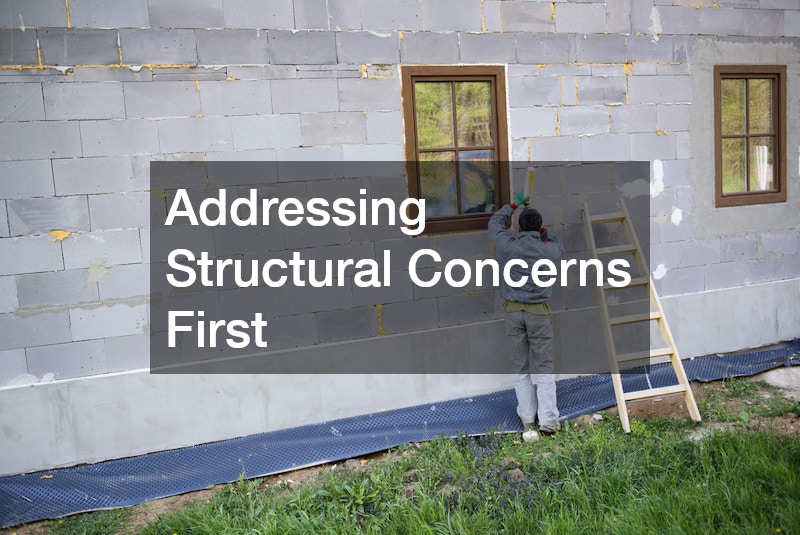
Water intrusion and settling issues can quietly undermine the stability of your home, which is why structural evaluation should happen early in the recovery process. If your home has experienced flooding, prolonged leaks, or shifting soil around the property, cracks in walls or uneven floors may point to deeper problems. Warning signs worth watching for include diagonal cracks near door frames, gaps between walls and ceilings, and floors that slope noticeably when you set a marble or level on them.
In these cases, foundation repairs are not optional cosmetic fixes but essential work that protects the entire structure above it. A qualified structural engineer or foundation specialist can determine whether the issue involves minor settling that needs monitoring or a more serious problem requiring underpinning, piering, or slab stabilization. Getting this assessment before moving forward with cosmetic repairs like paint or flooring saves you from redoing work later if hidden movement continues.
Delaying this kind of repair often leads to more expensive damage down the road, including issues with doors, windows, and flooring that no longer sit properly. Left unaddressed, a compromised foundation can also allow moisture to keep seeping into crawl spaces or basements, creating conditions for mold growth long after the original water event has passed. Investing in proper structural repairs first, even though it delays the more visible cosmetic refresh, ultimately protects your home’s value and prevents the same damage from resurfacing.
A qualified contractor or structural engineer can determine whether cracks, uneven floors, or sticking doors point to an isolated water-damage issue or a larger settling pattern affecting your home’s foundation. They’ll typically inspect crawl spaces, foundation walls, and load-bearing points to pinpoint the cause before recommending a fix.
Common solutions include underpinning to reinforce a weakened foundation, helical piering for homes on unstable soil, or epoxy crack injection for minor fractures under an eighth of an inch wide. Costs vary widely, from a few hundred dollars for simple injections to well over $10,000 for extensive underpinning.
Addressing this early also gives you a stable base for any remodeling work you plan to do afterward, protecting new drywall, flooring, or paint from cracking again down the road.
Getting Your Plumbing Back on Track
If water damage was the root cause of your repair project, your plumbing system deserves a close look before you move forward with cosmetic fixes. Even a small leak can indicate a larger issue with aging pipes, poor water pressure regulation, or corrosion that will resurface if left unaddressed. Licensed plumbers can pressure-test your system, check for hidden leaks behind walls, and confirm that everything is functioning correctly before you close up drywall or lay new flooring. Skipping this step is one of the most common reasons homeowners end up dealing with repeat water damage.
- Ask for a full inspection of supply lines and drain pipes
- Request water pressure testing to catch early warning signs
- Consider upgrading old galvanized or polybutylene pipes
- Confirm shut-off valves are working properly for future emergencies
Making Sure Your Electrical System Is Safe
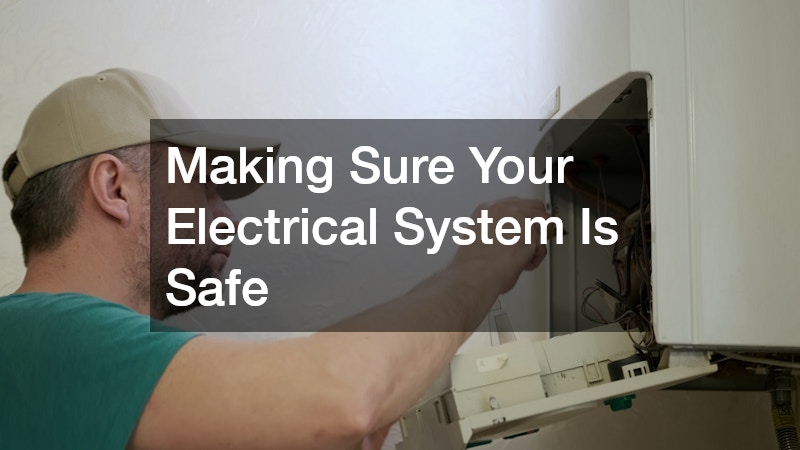
Water and electricity are a dangerous combination, and any area affected by flooding or major leaks should be checked by a licensed professional before power is restored. Turning breakers back on before an inspection can trigger short circuits, sparking, or even fires if moisture has reached wiring or connections. Electricians can identify compromised wiring, damaged outlets, and panel issues that may not be obvious just by looking at them.
This is especially important in basements, kitchens, and bathrooms, where wiring is often closer to potential water sources like sump pumps, dishwashers, or plumbing lines. Outlets located near floor level are particularly vulnerable, since even minor flooding can seep into their housings. A qualified inspector will also test GFCI outlets and breakers to confirm they’re tripping correctly, since these safety devices are your first line of defense against shock.
Taking the time to have your system professionally inspected—rather than just visually checked—reduces the risk of shock hazards, corrosion, or electrical fires down the line. In many cases, a thorough evaluation can also uncover pre-existing issues that had nothing to do with the water damage itself, giving you extra peace of mind before restoring full power to your home.
If your repair project includes remodeling, this is also a good time to consider updates like additional outlets, updated breaker panels, or improved lighting layouts. Many older homes were wired decades ago for far fewer appliances than today’s households rely on, so kitchens, home offices, and entertainment centers often stretch a single circuit well beyond its intended load.
While walls are already open, it’s worth asking your electrician about upgrading to a 200-amp panel if your home still runs on 100 or 150 amps, since that extra capacity supports things like EV chargers, added HVAC equipment, or a future workshop. This is also an easy time to add GFCI outlets in kitchens and bathrooms or AFCI protection in bedrooms and living areas, both of which are now standard code requirements in most areas.
Addressing this now, rather than after walls and flooring are finished, can prevent overloaded circuits, tripped breakers, and the cost of tearing into finished surfaces later for service calls.
Evaluating Your Roof for Hidden Damage
Roof damage is not always obvious from the ground, but it is a common source of water intrusion that leads to interior repairs in the first place. High winds, fallen branches, or long-term wear can create small gaps that let moisture seep into attics and walls over time. Roofers can perform a detailed inspection to identify missing shingles, damaged flashing, or weakened decking that may have contributed to your water damage. Getting this checked early prevents the same issue from recurring after you have already invested in interior repairs.
- Look for granule loss or curling shingles as warning signs
- Check attic spaces for daylight gaps or water stains
- Ask about flashing around chimneys and vents specifically
- Request a written estimate before committing to major roof work
Repairing Windows, Doors, and Entry Points
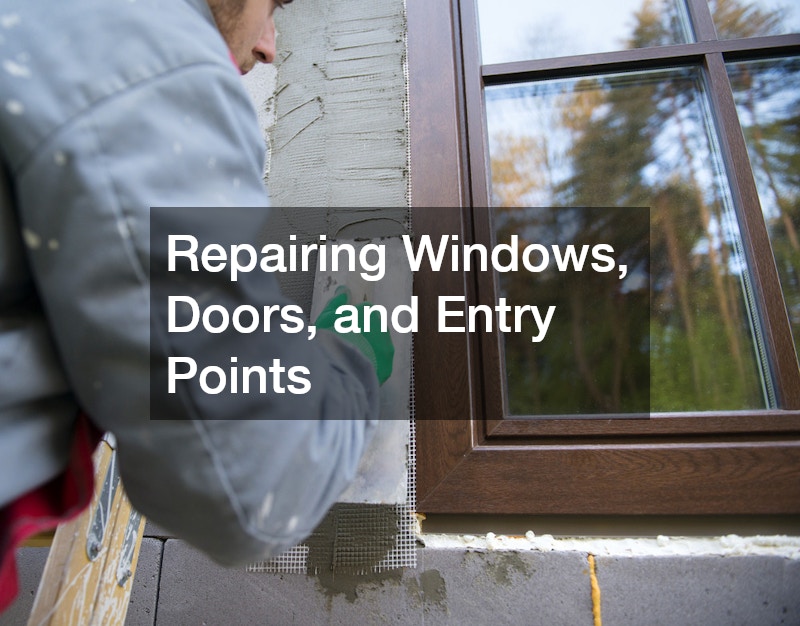
Storms, falling debris, or forced entry during an emergency can leave windows and doors compromised, which affects both security and energy efficiency. Cracked or shattered panes should be addressed quickly, and professional glass replacement ensures a proper seal that keeps drafts and moisture out. Ill-fitting replacement glass can actually make insulation worse, so it is worth choosing a provider who measures and installs with precision. This is also a good opportunity to consider upgrading to double-pane or impact-resistant glass if your area is prone to severe weather.
Garage doors are another commonly overlooked entry point after storm damage or major repairs, especially if debris impact or power surges affected the opener mechanism. A reliable garage door repair service can realign tracks, replace damaged panels, and test safety sensors to ensure everything operates smoothly again. Because garage doors are one of the largest moving parts of a home, even small misalignments can lead to bigger mechanical issues if ignored.
- Inspect window seals for fogging, which indicates seal failure
- Check garage door alignment and balance after any impact
- Test automatic sensors and reverse mechanisms for safety
- Consider weatherstripping upgrades for better insulation
Rethinking Your Home Comfort Systems
Major repairs often present a natural opportunity to reconsider how your home is heated and cooled, especially if HVAC components were affected by water damage or needed to be removed during construction. Homeowners looking for long-term efficiency sometimes choose this moment to explore geothermal cooling, which uses stable underground temperatures to regulate indoor climate with less energy use. While the upfront installation cost is higher than traditional systems, many homeowners find the reduced utility bills make it worthwhile over time. If your ductwork or HVAC system was already disrupted during repairs, this can be a more convenient time to make the switch than starting from scratch later.
Even if a full system replacement is not in your budget right now, it is worth having your existing HVAC evaluated for damage after any major water event. Ducts that were submerged or exposed to excess moisture can develop mold growth that circulates throughout your home. A clean, functioning system supports better air quality as you move back into your refreshed space.
Reimagining Your Basement Space
Basements are especially vulnerable to water damage, which means recovery often comes with an opportunity to improve the space rather than simply restoring it to its previous condition. Basement remodeling after water damage allows you to address moisture control issues at the same time you update flooring, lighting, and layout. Many homeowners use this chance to add vapor barriers, sump pumps, or improved drainage systems that were missing before the damage occurred. This proactive approach can transform a previously vulnerable area into a functional and comfortable part of the home.
- Add a dehumidifier or ventilation system to control future moisture
- Choose water-resistant materials for walls and flooring
- Consider a sump pump upgrade for homes in flood-prone areas
- Plan electrical outlets higher on walls to reduce future risk
Choosing the Right Flooring for a Fresh Start

Flooring is often one of the most visibly damaged elements after a water event, and replacing it is a chance to choose materials that better suit your household needs. Visiting flooring stores in person allows you to compare water-resistant options like luxury vinyl plank, tile, or engineered wood before making a decision. Many homeowners are surprised to learn how much moisture resistance has improved in flooring materials over the past decade, making it easier to protect against future incidents. Taking time to compare samples in person, rather than relying solely on photos online, helps ensure the color and texture match your vision for the finished space.
It is also worth asking flooring professionals about proper subfloor preparation, since installing new flooring over a damp or uneven subfloor can lead to problems later. A reputable retailer can recommend underlayment options that add moisture protection and comfort underfoot. This attention to detail helps your new floors last longer and perform better over time.
Handling Outdoor Damage and Safety Hazards
Major storms or structural repairs sometimes extend beyond the interior of your home, particularly when trees or large branches have been damaged or destabilized. Emergency tree removal may be necessary if a tree is leaning, cracked, or posing a risk to your roof, power lines, or foundation. Waiting too long to address a hazardous tree can result in additional property damage or safety concerns for your family. Working with a professional ensures the tree is removed safely without causing further harm to your yard or home.
- Look for cracked trunks or exposed roots after storms
- Check for branches hanging dangerously close to the roofline
- Avoid attempting large tree removal yourself due to safety risks
- Ask about debris cleanup and stump removal services
Recovering from water damage or major repairs takes patience, but each step you take brings your home closer to feeling safe, functional, and refreshed. By addressing structural, mechanical, and cosmetic issues in the right order, you reduce the chances of repeat problems and set your home up for long-term success. Take time to research qualified professionals for each stage of the process, and do not hesitate to ask questions until you feel confident in the plan. With a clear strategy in place, you can move forward with your restoration project knowing your home is in good hands.