

Your home’s exterior takes a beating every single day, from scorching summer sun to freezing winter storms, and the wear adds up faster than most homeowners realize. Left unaddressed, small issues like a cracked shingle or an overgrown branch can escalate into costly repairs, energy waste, or even safety hazards for your family. The good news is that with a bit of knowledge and routine attention, you can protect your investment and keep your living space comfortable year-round. This guide walks through the most important exterior maintenance areas so you know exactly what to watch for and when to act.
Understanding Common Threats to Your Home’s Exterior
Every home faces a unique combination of environmental stressors depending on climate, location, and surrounding vegetation. Wind, hail, heavy rain, and temperature swings all place strain on siding, roofing, windows, and foundations over time. Understanding what you are up against is the first step toward building a maintenance plan that actually works.
- UV exposure that fades and weakens siding and roofing materials
- Moisture infiltration leading to mold, rot, or structural damage
- Wind-driven debris that chips paint or dents gutters
- Freeze-thaw cycles that crack driveways, walkways, and masonry
- Overgrown vegetation that scratches surfaces or blocks drainage
Managing Landscaping to Prevent Damage

Trees and shrubs add beauty and shade to a property, but when left unchecked they can become a serious liability. Overhanging branches scrape against roofing and siding during storms, drop debris into gutters, and sometimes grow close enough to allow pests easy access into attics or crawl spaces. Regular pruning keeps limbs a safe distance from the structure and reduces the risk of a heavy branch snapping off during a windstorm.
Many homeowners underestimate how quickly a healthy-looking tree can become a hazard after a season of rapid growth or storm damage. Scheduling professional tree trimming services once or twice a year helps identify weak limbs before they fail, keeps foliage away from rooflines, and improves airflow around the home to reduce moisture buildup. This kind of proactive care is far less expensive than repairing a roof or window damaged by a falling branch.
- Trim branches at least six to ten feet away from the roofline
- Remove dead or split limbs promptly after storms
- Keep an eye on root growth near foundations and underground pipes
- Clear leaf litter from gutters and downspouts regularly
- Watch for signs of disease or pest infestation in nearby trees
Maintaining a Weatherproof Roofing System
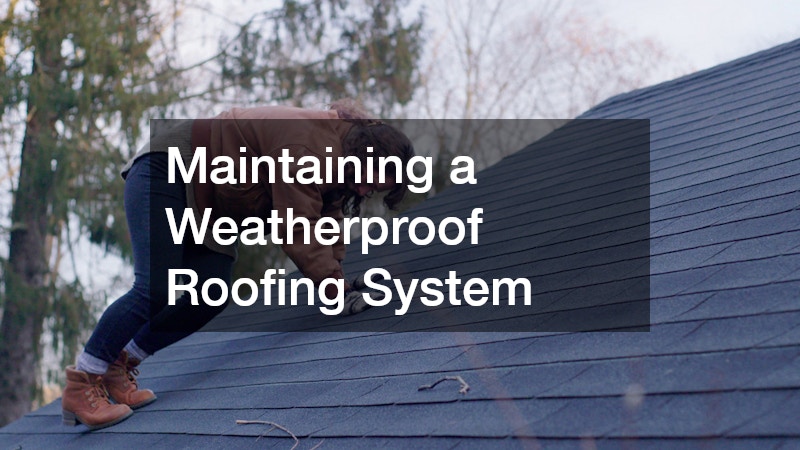
Your roof is the single most important barrier between your home and the elements, so its condition directly affects both comfort and safety indoors. Missing shingles, cracked flashing, or clogged valleys can allow water to seep into the attic long before you notice a stain on the ceiling. Catching these issues early prevents insulation damage, mold growth, and costly structural repairs down the road.
A visual inspection from the ground can reveal obvious problems, but many issues are only visible up close or from inside the attic. Bringing in experienced roofers for an annual inspection ensures that flashing, vents, and seals are checked thoroughly and that any minor wear is addressed before the next major storm. Professionals can also spot ventilation problems that quietly drive up energy bills even when the roof looks fine from the street.
- Check for curling, cracked, or missing shingles after storms
- Inspect flashing around chimneys, vents, and skylights
- Look for daylight or water stains in the attic
- Clear debris from valleys and gutters to prevent pooling water
- Schedule a professional inspection at least once a year
Sealing and Insulating for Year-Round Comfort
Comfort inside your home depends heavily on how well the exterior seals against outside air. Gaps around windows, doors, and utility penetrations let conditioned air escape and allow drafts, dust, and moisture to enter. Weatherstripping, caulking, and proper insulation work together to keep temperatures stable and reduce strain on heating and cooling systems.
Beyond comfort, a well-sealed exterior also protects against pest intrusion and moisture damage that can compromise indoor air quality. Small cracks around siding or foundation vents are common entry points for insects and rodents looking for shelter. Taking a walk around your home twice a year to check these areas can save significant money on both energy bills and repairs.
- Reapply caulk around window and door frames as needed
- Replace worn weatherstripping to stop drafts
- Seal gaps around pipes, vents, and utility lines
- Check attic and crawl space insulation levels annually
- Look for daylight gaps in siding or foundation vents
Building a Seasonal Maintenance Routine
Consistency is what separates homeowners who avoid major repairs from those who face them repeatedly. Breaking exterior maintenance into seasonal tasks makes the workload manageable and ensures nothing gets overlooked for too long. Spring and fall are especially important times to inspect for damage caused by extreme summer heat or winter freezing.
- Spring: inspect roofing, gutters, and siding for winter damage
- Summer: check caulking, paint, and irrigation near the foundation
- Fall: clear leaves, trim overgrowth, and prepare for freezing temperatures
- Winter: monitor for ice dams, drafts, and heating efficiency
- Keep a written log of repairs and inspections for future reference
Recognizing When Professional Help Is Needed
While regular homeowner upkeep goes a long way, some problems require trained eyes and specialized tools to diagnose properly. Persistent leaks, sagging rooflines, or recurring pest issues are signs that a deeper structural problem may exist. Addressing these concerns early, rather than waiting until damage becomes visible indoors, almost always saves money and stress in the long run.
- Water stains that reappear after repairs
- Sagging or uneven rooflines
- Unexplained spikes in energy bills
- Persistent drafts despite sealing efforts
- Visible mold or musty odors near exterior walls
Protecting your home’s exterior does not require constant effort, but it does require consistent attention to the details that matter most. By staying on top of landscaping, roofing, sealing, and seasonal upkeep, you can avoid the kind of surprise repairs that disrupt your budget and your peace of mind. Start with a simple walkthrough of your property this weekend, note any warning signs, and tackle them before small issues become expensive problems. Your home will reward that effort with lasting comfort, safety, and value for years to come.