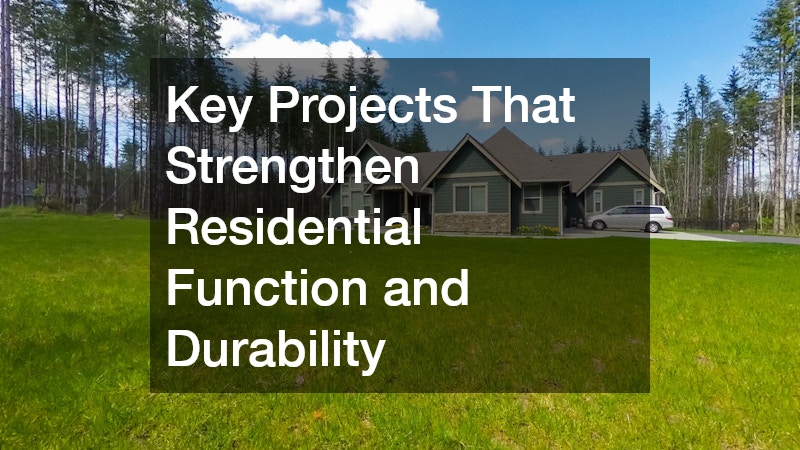

A home functions best when every system and structure works together efficiently. While visual upgrades often receive the most attention, long-term performance depends on more than appearance. A durable home can better withstand weather exposure, daily use, seasonal changes, and gradual wear over time.
Many property issues begin as relatively small concerns. Minor moisture intrusion can eventually lead to structural damage. Small cracks in surfaces can expand. Aging systems can become less efficient, leading to higher repair costs later. Taking a proactive approach allows homeowners to identify weaknesses before they become major problems.
Improving long-term residential performance requires attention to multiple areas, including structural protection, environmental resistance, energy efficiency, and practical everyday use. Strategically prioritizing improvements can help create a safer, more comfortable, and more reliable living environment.
The following projects focus on strengthening residential function and durability through practical upgrades and maintenance decisions that provide long-term value.
Assess Roof Conditions Before Small Problems Become Major Repairs
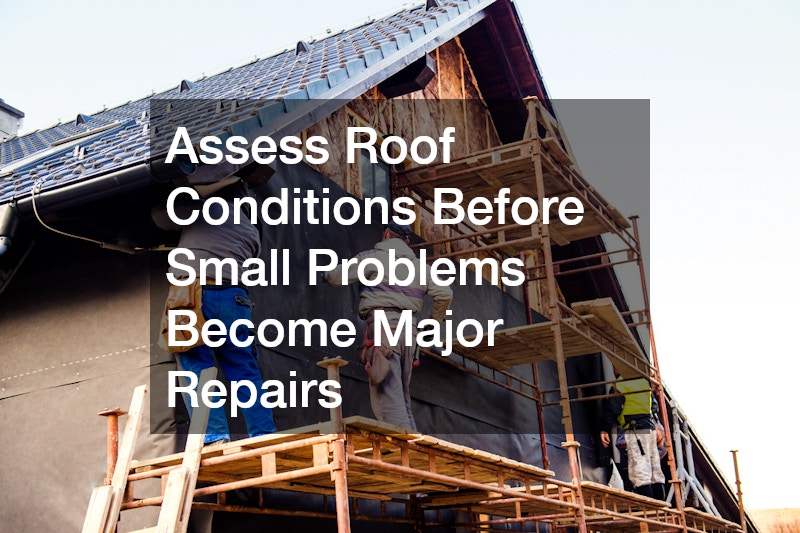
The roof serves as one of the home’s primary protective systems. Because it is constantly exposed to sun, heavy rain, snow, wind, and changing temperatures, deterioration often occurs gradually. Problems may not be visible from inside the home until damage has already progressed.
Many homeowners delay inspections until visible leaks appear, but by then moisture may have already affected insulation, decking, or interior materials. What begins as a minor weakness in a single section can quietly spread across multiple layers of the roofing system, reducing overall performance and increasing the likelihood of structural damage.
Professional roofers often identify hidden concerns that homeowners may overlook, including:
- Damaged flashing around vents and chimneys
- Curling or lifting materials
- Areas with weakened ventilation
- Moisture trapped beneath roofing layers
- Structural sagging
- Storm-related damage
In many cases, a trained roofer can also detect subtle issues such as improper installation patterns or early signs of material fatigue that are not yet visible from the ground. This level of inspection helps prevent small defects from turning into widespread deterioration that compromises the entire system.
Early intervention can significantly reduce repair costs. Scheduling periodic evaluations allows potential issues to be addressed before they affect larger sections of the structure. Many homeowners find that seasonal inspections—especially after severe weather—help maintain long-term stability and extend the roof’s lifespan.
Several warning signs may indicate developing problems:
- Water stains on ceilings
- Missing or cracked materials
- Mold growth in attic spaces
- Unexpected increases in utility bills
- Granule accumulation around drainage systems
- Visible daylight in attic areas
Additional indicators can include musty odors in upper rooms or inconsistent indoor temperatures, which may suggest hidden ventilation issues or insulation damage.
There are situations where repairs remain cost-effective, but repeated repairs eventually become less practical than a complete roofing installation. Homeowners should evaluate factors such as age, ongoing maintenance requirements, and overall system condition before making decisions. In older homes, patchwork fixes may only provide temporary relief while underlying deterioration continues.
Important considerations include:
- Expected material lifespan
- Local weather patterns
- Energy-efficiency goals
- Ventilation performance
- Future maintenance needs
Taking action before significant deterioration occurs can preserve both structural integrity and interior comfort, while helping homeowners avoid the higher costs of emergency repairs or extensive restoration work later on.
Improve Water Management to Reduce Structural Stress
Water is one of the most common causes of long-term residential damage. Even small amounts of uncontrolled moisture can gradually weaken foundations, siding, framing, and landscaping areas.
Poor drainage often develops slowly. Overflowing systems, debris buildup, or improper water movement can create problems that remain unnoticed until visible damage appears. Over time, repeated exposure to moisture can also accelerate material decay, leading to hidden structural weaknesses that become expensive to correct once they spread.
Working with a qualified box gutter company may help identify drainage issues that affect long-term structural performance. Effective water management is not simply about moving water away quickly; it also involves directing it appropriately and preventing moisture accumulation near vulnerable areas. In many homes, subtle design flaws in drainage pathways contribute more to long-term damage than heavy storms themselves, especially when water is repeatedly funneled toward the same structural points.
Common signs of drainage problems include:
- Water pooling near foundations
- Basement moisture
- Soil erosion
- Stained exterior surfaces
- Overflow during storms
- Mold or mildew growth
Additional indicators may include peeling paint near lower wall sections, shifting soil around walkways, or damp patches that appear after light rainfall. These warning signs often suggest that water is not being properly redirected away from the structure.
Routine maintenance should become part of a homeowner’s annual schedule. Even simple seasonal checks can significantly reduce the risk of long-term deterioration by ensuring drainage systems remain clear and functional throughout the year.
Recommended maintenance practices include:
Spring
- Remove accumulated debris
- Check water flow patterns
- Inspect connections and joints
- Confirm that downspouts are directing water far enough away from the foundation
Summer
- Examine storm-related wear
- Evaluate nearby vegetation growth
- Ensure no plant roots are interfering with drainage paths
Fall
- Remove leaves and buildup
- Prepare for winter conditions
- Check for blockages caused by seasonal shedding
Winter
- Monitor ice accumulation
- Watch for drainage obstructions
- Prevent ice dams or frozen runoff issues
Moisture problems rarely remain isolated. Water that consistently enters unwanted areas can eventually affect multiple systems throughout the home, including insulation, electrical pathways, and interior finishes, making early attention essential for long-term property protection.
Protect Exterior Surfaces With Long-Term Weather Defense Strategies
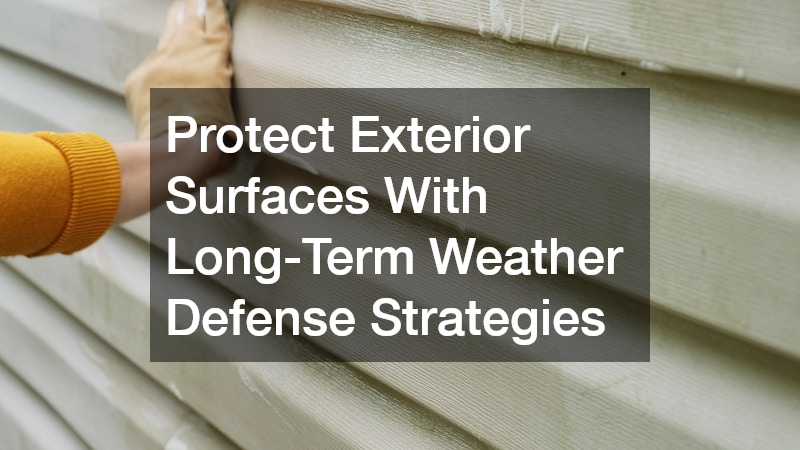
Exterior surfaces constantly face environmental exposure. Rain, sunlight, temperature fluctuations, humidity, and airborne contaminants gradually affect protective layers over time. Even homes that appear well-maintained can experience slow degradation that is not immediately visible until paint failure or surface damage becomes widespread.
Without proper maintenance, surfaces begin to deteriorate. Cracking, peeling, fading, and moisture penetration often develop gradually and worsen if ignored. Once protective barriers are compromised, underlying materials such as wood, siding, or trim can become vulnerable to rot, swelling, or insect damage, which significantly increases repair complexity and cost.
Exterior painting provides more than visual enhancement. Protective coatings help reduce environmental damage and preserve underlying materials. In fact, a well-applied system acts as a first line of defense against moisture intrusion and UV breakdown, extending the lifespan of the home’s exterior envelope.
Common causes of exterior deterioration include:
- Prolonged UV exposure
- High moisture levels
- Wind-driven debris
- Seasonal temperature shifts
- Surface contamination
- Inadequate preparation
In addition, pollution, algae growth, and repeated freeze-thaw cycles can accelerate breakdown in certain climates, especially where surfaces remain damp for extended periods.
Many homeowners focus primarily on selecting colors, but long-term performance depends heavily on preparation. Poor preparation is one of the most common reasons exterior coatings fail prematurely, regardless of product quality.
Preparation steps often include:
- Cleaning surfaces thoroughly
- Removing loose materials
- Repairing damaged areas
- Sealing gaps
- Priming when necessary
In some cases, older homes may require more extensive surface restoration before any coating is applied, including scraping down multiple layers or addressing moisture-damaged sections. Skipping these steps can result in early peeling or uneven absorption, reducing overall durability.
Proper timing also matters. Environmental conditions influence adhesion and long-term durability. Temperature, humidity levels, and even wind exposure during application can affect how well coatings cure and bond to surfaces. Choosing the right seasonal window often makes a significant difference in performance.
When selecting materials, homeowners should consider:
- Weather resistance
- Maintenance requirements
- Surface compatibility
- Moisture protection capabilities
- Expected lifespan
High-quality materials may cost more initially, but they typically reduce repaint frequency and help maintain structural integrity over time.
Protective exterior maintenance helps preserve structural components and reduce future repair needs, ensuring the home remains both visually appealing and structurally sound despite ongoing environmental exposure.
Upgrade High-Use Interior Spaces for Better Everyday Function
Bathrooms experience constant daily use and are exposed to moisture, humidity, and repeated wear. Over time, older layouts and materials may become less practical for household needs.
Working with an experienced bathroom remodeler can help homeowners identify opportunities to improve functionality while addressing long-term durability concerns.
Many upgrades provide benefits beyond appearance.
Functional improvements may include:
- Increased storage capacity
- Better lighting placement
- Improved ventilation
- Water-efficient fixtures
- Slip-resistant surfaces
- Accessibility enhancements
Layout issues can significantly affect daily use. Poor organization may create unnecessary frustration and reduce efficiency.
Questions homeowners should consider include:
- Is storage sufficient?
- Are fixtures positioned effectively?
- Does ventilation remove moisture properly?
- Can the space adapt to future needs?
Material selection also plays a major role in durability.
Long-lasting materials often prioritize:
- Moisture resistance
- Easy maintenance
- Surface durability
- Mold resistance
- Water efficiency
Design decisions should focus on how the space functions over the long term rather than simply following short-term trends.
Improve Indoor Comfort Through Better System Performance
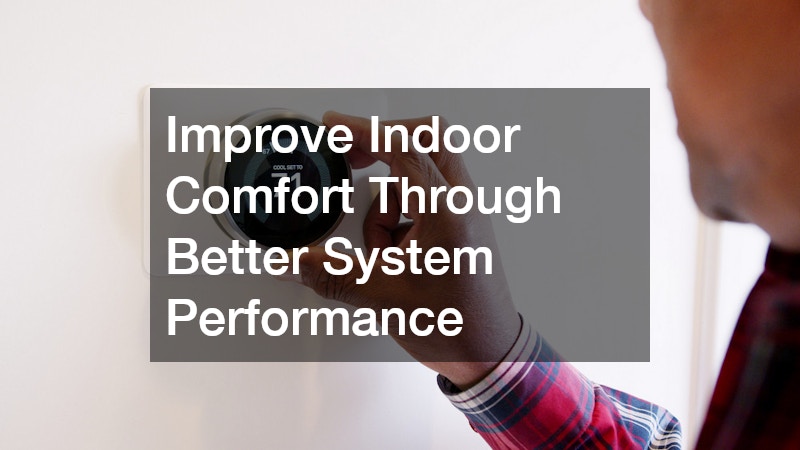
Indoor comfort depends heavily on maintaining consistent temperature control and air quality. Mechanical systems that operate inefficiently often create discomfort while increasing energy costs.
HVAC contractors frequently identify performance issues that develop gradually and become more noticeable over time.
Common indicators of declining system performance include:
- Uneven temperatures
- Poor airflow
- Increased utility bills
- Frequent cycling
- Excess humidity
- Unusual noises
Routine maintenance helps preserve efficiency and reduce unnecessary strain on equipment.
Maintenance priorities include:
- Replacing filters regularly
- Cleaning components
- Inspecting airflow pathways
- Monitoring system performance
- Checking for leaks
- Evaluating thermostat accuracy
Homeowners sometimes assume equipment should simply keep operating until complete failure, but aging systems often lose efficiency long before they stop functioning.
Long-term improvements may involve:
- Smart temperature controls
- Updated equipment
- Improved insulation
- Better zoning systems
- Indoor air quality enhancements
Preventive maintenance often extends the operational life of a system and improves overall household comfort.
Strengthen Security and Daily Accessibility at Entry Points
Entry systems receive substantial daily use and often experience wear from weather exposure and repeated operation.
Many homeowners overlook these areas until functionality is noticeably affected. However, smaller issues can gradually develop into larger mechanical failures.
A garage door installer can identify problems that affect safety and performance.
Common warning signs include:
- Slow movement
- Excessive vibration
- Loud noises
- Uneven movement
- Delayed response times
- Visible wear on components
Routine inspections should include several areas:
- Hardware condition
- Sensor operation
- Track alignment
- Spring performance
- Weather sealing
- Automatic functions
Modern upgrades may improve both convenience and durability.
Examples include:
- Insulated designs
- Enhanced security features
- Smart controls
- Improved sealing systems
- Stronger materials
Reliable entry systems contribute to household security while improving daily convenience.
Reduce Surface Damage Through Smarter Driveway Planning
Exterior surfaces are frequently subjected to significant stress from weather conditions and vehicle traffic. Small defects may expand gradually if underlying issues are not addressed.
Working with an experienced asphalt contractor can help homeowners evaluate existing conditions and determine practical solutions. In some cases, coordination with a fence contractor is also necessary when driveway expansion, property line adjustments, or drainage redesigns affect boundary structures.
Drainage often plays a major role in long-term performance. Water that remains on surfaces increases the risk of deterioration.
Common causes of surface damage include:
- Standing water
- Freeze-thaw cycles
- Heavy vehicle loads
- Tree root growth
- Soil movement
- Improper installation
Homeowners should also carefully consider material choices. A paver system, for example, may provide flexibility and easier localized repairs in certain situations.
Factors to evaluate when selecting surface materials include:
- Maintenance requirements
- Appearance preferences
- Repair accessibility
- Durability expectations
- Drainage characteristics
- Long-term cost considerations
Surface planning should extend beyond appearance alone. Functional design choices influence durability and ongoing maintenance needs.
Build a Long-Term Improvement Strategy Instead of Reacting to Problems
Many homeowners approach repairs reactively. Something breaks, leaks, or fails, and then attention shifts toward resolving the issue. While emergency repairs are sometimes unavoidable, a proactive strategy often creates better long-term results.
Creating a structured improvement plan can help prioritize projects based on importance and potential impact.
Suggested priority order:
Safety concerns
- Electrical hazards
- Structural weaknesses
- Water intrusion
Protective systems
- Weather protection
- Drainage concerns
- Environmental exposure
Efficiency improvements
- Energy savings
- Mechanical performance
- Operational reliability
Convenience upgrades
- Accessibility
- Organization
- Functional improvements
Annual evaluations may also help identify developing concerns before costs increase.
A simple maintenance checklist may include:
- Inspect exterior surfaces
- Check moisture-prone areas
- Monitor system performance
- Evaluate structural conditions
- Review utility usage patterns
- Assess visible wear
Small issues frequently become expensive when ignored. Consistent evaluation allows homeowners to maintain performance while reducing unexpected disruptions.
Strong homes are built through consistent attention and thoughtful planning. Durable materials, preventive maintenance, and strategic improvements all contribute to long-term performance.
Rather than waiting for obvious failures, homeowners can benefit from regularly evaluating conditions and addressing concerns early. Smaller actions often prevent larger repair expenses and preserve the functionality of important systems.
By focusing on projects that improve reliability, efficiency, and structural protection, homeowners can create living environments that remain comfortable and dependable for many years. Long-term value often results from steady, informed decisions that strengthen the entire property over time.