

The journey of homeownership is often described as a marathon rather than a sprint. For many, the initial thrill of receiving the keys is just the beginning of a multi-year transformation that turns a standard house into a personalized sanctuary. This evolution does not happen overnight. It requires a strategic vision, a bit of financial patience, and a reliable network of professionals who can help navigate the physical and structural changes required to keep a property in peak condition. By looking at a five-year horizon, homeowners can transition from the frantic energy of a first-time purchase to the sophisticated satisfaction of a custom-tailored living space.
The Foundation of a Long-Term Vision
Every successful property story begins with a clear understanding of the local market and a firm grasp on personal goals. Most people spend months, if not years, preparing for the leap into ownership. They research neighborhoods, track price trends, and weigh the pros and cons of different architectural styles. This preparatory phase is vital because it sets the stage for everything that follows. When a family finally commits to buying home and starting their new chapter, they are not just purchasing a structure; they are investing in a lifestyle. This decision is usually fueled by a mix of emotional desire and practical necessity, such as the need for more space or a shorter commute.
The first year is typically defined by a steep learning curve. New owners must move away from the mindset of a tenant, where repairs are someone else’s problem, and embrace the role of a steward. This stewardship involves learning the quirks of the building, from which floorboards creak in the winter to how the sun hits the backyard in the late afternoon. Establishing a baseline for the home’s health is the primary goal during these first twelve months. It is about stability and observation, ensuring that the primary systems are functioning correctly before any major cosmetic or structural changes are even considered.
Securing the Financial Future

Before the paint colors are chosen or the furniture is moved in, the underlying financial structure must be sound. Navigating the world of interest rates, down payments, and closing costs can be overwhelming, but it is the most critical hurdle to clear. A well-structured home mortgage provides the stability needed to plan for future renovations without feeling financially suffocated. Most experts suggest that homeowners should look for a loan that fits their long-term budget, allowing for a “maintenance fund” to grow alongside their equity. This fund becomes the lifeblood of the property’s evolution over the next five years.
As the second year approaches, the focus shifts slightly toward wealth building. Homeowners begin to see their property as more than just a place to sleep; it becomes a significant asset in their portfolio. They start to pay closer attention to how local developments might influence their property value. During this time, it is common for people to refine their interior spaces with minor updates that do not require massive capital. Refreshing the trim, updating light fixtures, or investing in high-quality window treatments can make the space feel more personal while the owner builds up the necessary equity for larger projects down the road.
Understanding the Local Landscape
The third year of ownership is often when the “newness” wears off and the reality of the local environment sets in. Whether it is a suburban neighborhood or a bustling city street, every house exists within a specific context. Staying informed about the real estate trends in the immediate area helps owners decide which upgrades will offer the best return on investment. If every house on the block is expanding its footprint, a major renovation might be a wise move. Conversely, if the neighborhood is stable and quiet, focusing on energy efficiency and interior comfort might be the better path to take.
By this point, the homeowner has likely experienced a full cycle of seasons and knows exactly where the house excels and where it falls short. Maybe the insulation is lacking in the north-facing bedroom, or perhaps the backyard drainage could be improved. This is the stage where “proactive maintenance” becomes the theme. Instead of waiting for something to break, the savvy owner begins to look for signs of wear. They understand that preserving the value of their investment requires consistent attention to detail and a willingness to address small issues before they snowball into expensive catastrophes.
Learning from the Past

Looking back at the original paperwork can often provide a roadmap for future work. Most people keep their closing documents tucked away in a drawer, but those files contain a wealth of information about the bones of the house. Reviewing the notes from the initial Home Inspections can reveal a list of deferred maintenance items that might have been ignored during the initial excitement of moving in. Perhaps there was a mention of an aging roof or a recommendation to upgrade the electrical panel. The three-year mark is the perfect time to cross these items off the list.
Addressing these foundational issues creates a “clean slate” for the more exciting projects planned for years four and five. It also provides peace of mind. There is a specific kind of stress that comes from knowing a major system is on its last legs, and resolving that uncertainty allows the homeowner to focus on the creative aspects of their roadmap. It is about building a history with the property—one where the owner knows every pipe, wire, and joist. This deep familiarity is what eventually transforms a generic house into a cherished family legacy that stands the test of time.
Maintaining the Exterior Shell
As the roadmap hits the midway point, the focus often turns outward. The exterior of a home is its first line of defense against the elements, and it is also the primary driver of curb appeal. Over time, siding can collect dirt, algae, and environmental pollutants that dull the appearance of the property and can even lead to premature degradation of materials. Hiring a professional house washing company once a year or every two years is a simple yet effective way to maintain the integrity of the home’s exterior. It is an affordable maintenance step that keeps the property looking as fresh as the day it was purchased.
Beyond just cleaning, this phase of the roadmap involves inspecting the “envelope” of the building. This includes checking the caulking around windows, ensuring the gutters are flowing freely, and looking for any signs of pest intrusion. A well-maintained exterior doesn’t just look good; it prevents moisture from entering the structure, which is the leading cause of rot and mold. By staying on top of these tasks, the homeowner ensures that the money they spend on interior luxuries isn’t wasted on repairing structural damage caused by neglect of the outside shell.
Ensuring Mechanical Reliability

Inside the walls, the mechanical systems are the unsung heroes of daily life. We often take for granted that the lights will turn on and the water will run, but these systems require professional oversight to stay efficient. Establishing a relationship with a reliable local plumber is one of the smartest moves a homeowner can make during their first few years. Whether it is a slow drain, a finicky faucet, or a more complex issue with the main line, having a trusted expert on speed dial ensures that small leaks do not become major floods.
Regular plumbing inspections can also reveal opportunities for modernization. Many older homes have outdated piping or water systems that are prone to failure. A professional can assess the age and condition of the plumbing and suggest upgrades that improve water pressure and reduce the risk of leaks. This stage of the roadmap is about “infrastructure health.” It might not be as glamorous as a new kitchen, but a sound mechanical system is the prerequisite for any high-end renovation. It provides the literal and figurative flow that makes a modern home function seamlessly.
Upgrading for Efficiency and Comfort
As the fourth year begins, many homeowners start looking at their monthly utility bills with a more critical eye. They realize that the old, bulky appliances that came with the house are not only taking up space but also draining their bank account. One of the most impactful upgrades in a modern home is a tankless water heater replacement project. This transition away from traditional storage tanks provides a continuous supply of hot water while significantly reducing energy consumption. It is a prime example of a “smart” upgrade that pays for itself over time through lower utility costs and increased convenience.
This phase is also characterized by a shift toward high-performance living. Homeowners might look into smart thermostats, improved attic insulation, or high-efficiency windows. The goal is to create an environment that is easy to manage and comfortable in all temperatures. By investing in these “behind-the-scenes” upgrades now, the owner ensures that when they eventually move on to the major aesthetic renovations, the home is already optimized for modern living. It is a logical progression that prioritizes function and efficiency before focusing on the final layer of style and luxury.
Designing the Heart of the Home
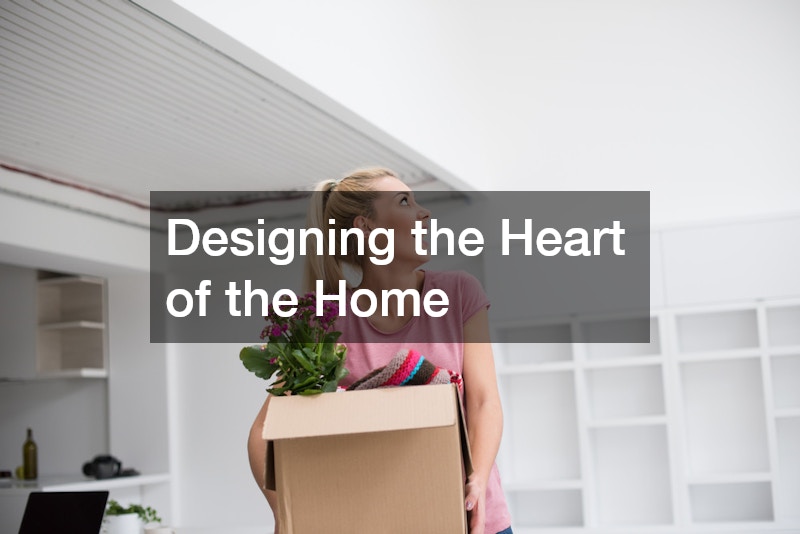
By the end of year four, the focus inevitably turns to the kitchen. It is the room where the most time is spent and the one that typically offers the highest return on investment. Rather than simply replacing old cabinets with new ones, many homeowners choose to consult with a local kitchen design service to completely reimagine the layout. They look for ways to improve the “work triangle,” increase storage, and create a space that accommodates both daily meal prep and social gatherings. This is where the homeowner’s personal style finally gets to take center stage.
A professional designer can help navigate the dizzying array of choices in countertops, cabinetry, and flooring. They can suggest creative solutions for lighting and appliance placement that the average person might never consider. This collaborative process ensures that the finished product is not only beautiful but also highly functional. The kitchen is often the project that makes the house feel “finished,” providing a sense of accomplishment and a dramatic boost in the overall atmosphere of the home. It is the crown jewel of the interior roadmap, marking the transition from basic maintenance to true customization.
Expanding the Living Space
As the five-year mark approaches, many families find that their needs have outpaced the original square footage of their home. Perhaps a new child has arrived, a home office has become a permanent requirement, or there is a need for a dedicated guest suite. This is when the concept of a home addition moves from a “maybe one day” dream to a concrete plan. Expanding the footprint of the house is a significant undertaking that requires careful architectural planning and a deep understanding of local zoning laws. It is the ultimate expression of commitment to a property.
A well-planned addition should feel like a natural extension of the original structure, rather than an obvious afterthought. It requires matching the roofline, the siding, and the interior finishes to create a cohesive look. This stage of the roadmap is complex, involving permits, structural engineering, and significant construction timelines. However, for those who love their neighborhood and their neighbors, it is often a far more attractive option than selling and moving. It allows the family to stay in the place they have grown to love while gaining the extra room they need to thrive in the coming decade.
Building for the Future
For the most ambitious projects, the expertise of a custom home builder is indispensable. Even when working on an existing property, their knowledge of high-end construction techniques and project management can ensure that a major expansion is executed flawlessly. They bring a level of craftsmanship and attention to detail that elevates the project beyond a standard renovation. This final stage of the five-year roadmap is about more than just adding rooms; it is about refining the entire property into a bespoke environment that reflects the owner’s unique vision and lifestyle.
The relationship with a builder is built on trust and a shared goal of excellence. They coordinate the various trades, from electricians to carpenters, ensuring that every element of the new construction meets the highest standards. As the dust settles and the final walkthrough is completed, the homeowner can look back at the last five years with a sense of pride. They have navigated the complexities of financing, maintenance, and design to create something truly special. The house is no longer just a building they bought years ago; it is a custom-crafted home that is perfectly suited for their future, standing as a testament to the power of a well-executed long-term plan.