
Increasing property value is not about making random upgrades or following short-lived trends. It is about making intentional, well-timed improvements that enhance functionality, efficiency, and overall market appeal. Homeowners often spend money on renovations that look good on the surface but fail to deliver meaningful returns when it comes time to sell. A strategic approach focuses on understanding what buyers actually value, addressing underlying issues, and improving both livability and long-term durability.
A successful improvement plan considers more than aesthetics. It takes into account structural integrity, energy efficiency, usable space, and the condition of key systems throughout the home. When done correctly, these improvements not only increase resale value but also improve daily comfort and reduce ongoing maintenance costs.
This guide breaks down the most impactful areas of a home and provides actionable steps to help homeowners make informed decisions that maximize return on investment.
1. Start by Understanding Your Home’s Condition
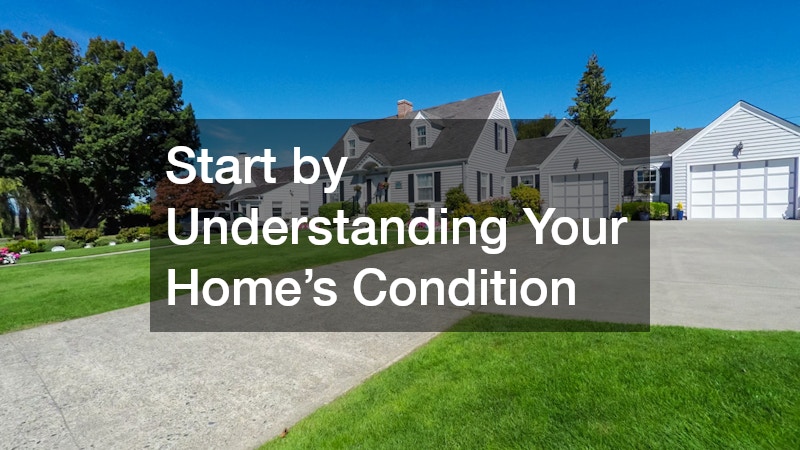
Before investing in any upgrades, it is essential to understand the current condition of your property. Many costly renovation mistakes happen when homeowners skip this step and focus on cosmetic improvements instead of underlying issues.
Using home inspection services can help identify hidden problems that are not visible during a casual walkthrough. These may include electrical concerns, plumbing issues, roof deterioration, insulation gaps, moisture intrusion, or foundational weaknesses that could worsen over time if left unaddressed. Even minor warning signs—such as small ceiling stains, uneven flooring, or inconsistent indoor temperatures—can point to larger systemic problems that should be evaluated before any remodeling work begins.
A professional inspection provides a detailed roadmap of your home’s health, which is especially valuable when planning larger investments. It helps eliminate guesswork and ensures that renovation dollars are directed toward the most impactful areas first.
Key steps to take:
- Schedule a full professional inspection before major renovations
- Create a list of urgent repairs vs. optional upgrades
- Identify systems nearing the end of their lifespan
- Document issues that may affect resale value
In addition to these steps, homeowners should also walk through the property with a critical eye, taking photos and notes of visible wear and tear. It is also helpful to compare current conditions with similar homes in the neighborhood to understand where your property stands competitively.
A thorough inspection helps prioritize spending. Instead of guessing where money should go, homeowners can focus on improvements that protect the home’s structure and long-term value, reduce unexpected repair costs, and create a stronger foundation for all future upgrades.
2. Improve Core Interior Living Spaces
Interior spaces play a major role in how buyers perceive a home. Kitchens and general living areas often determine whether a buyer feels emotionally connected to the property. These areas should be both functional and visually appealing, offering a balance between comfort, practicality, and modern design. Buyers are not just evaluating square footage—they are imagining their daily routines, entertaining guests, and long-term livability within these spaces.
Investing in kitchen remodeling is one of the highest-return improvements a homeowner can make. Buyers tend to focus heavily on cabinetry, countertops, layout, and appliances. Even small upgrades like replacing outdated hardware, installing energy-efficient appliances, or upgrading to a more open layout can dramatically increase perceived value. A well-designed kitchen often becomes the centerpiece of the home and can significantly influence purchase decisions.
At the same time, broader home remodeling services can help modernize outdated layouts, improve flow, and increase usability across multiple rooms. This may include removing non-structural walls to create open-concept living areas, updating flooring for consistency throughout the home, or enhancing storage solutions to reduce clutter and improve functionality.
Actionable improvements include:
- Updating cabinetry and storage solutions
- Improving lighting for better visibility and ambiance
- Reconfiguring layouts to enhance movement and space
- Choosing durable, neutral finishes that appeal to most buyers
Additional enhancements can include upgrading trim and molding for a more polished look, integrating smart home features for convenience, and ensuring that flooring materials are consistent and in good condition throughout shared living spaces. Small details like paint quality, fixture selection, and hardware finishes can also have a surprisingly large impact on perceived value.
The goal is to create a cohesive, modern interior that feels move-in ready without over-customization. A well-balanced interior allows potential buyers to envision themselves in the space easily, which increases emotional appeal and ultimately strengthens the property’s market value.
3. Increase Usable Living Space Strategically
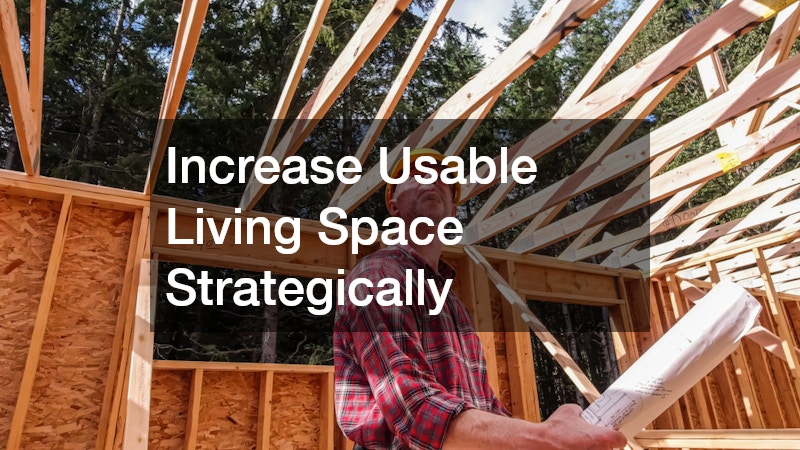
Adding square footage is one of the most direct ways to increase property value. However, it must be done thoughtfully to ensure the addition integrates seamlessly with the existing structure.
A home addition can include extra bedrooms, expanded living areas, or even functional spaces like offices or sunrooms. These additions are especially valuable in markets where space is limited.
Important considerations:
- Ensure architectural consistency with the original structure
- Evaluate zoning regulations and permit requirements early
- Focus on functionality rather than unnecessary luxury features
- Design for long-term usability, not just short-term appeal
A well-planned expansion can significantly increase both resale value and day-to-day livability.
4. Improve Energy Performance Across the Home
Energy efficiency is becoming a top priority for modern buyers. Homes that maintain comfortable temperatures while minimizing utility costs are more attractive and more valuable. Rising energy prices and increased awareness of environmental impact have made efficiency upgrades a key decision factor in real estate purchases. Buyers are increasingly looking for homes that require fewer immediate system upgrades and offer predictable, lower operating costs.
Upgrading insulation services is one of the most effective ways to improve energy performance. Proper insulation reduces heat loss in winter and keeps interiors cooler in summer. It also helps stabilize indoor temperatures, reducing strain on heating and cooling systems and improving overall comfort throughout the year. Many older homes, in particular, suffer from insufficient insulation in attics, crawl spaces, and exterior walls, which can significantly impact efficiency.
Working with a local HVAC company ensures that heating and cooling systems are operating efficiently and appropriately sized for the home. An HVAC system that is too large or too small can lead to uneven temperatures, higher energy bills, and unnecessary wear on equipment. Routine maintenance, duct inspection, and system upgrades can dramatically improve performance and extend system lifespan.
Practical upgrades include:
- Sealing air leaks around windows and doors
- Upgrading attic and wall insulation
- Servicing or replacing inefficient HVAC systems
- Installing programmable thermostats for better control
Additional improvements such as upgrading to energy-efficient windows, using LED lighting throughout the home, and adding smart home energy monitoring systems can further enhance performance. These upgrades not only reduce monthly utility costs but also increase buyer confidence by demonstrating that the home has been well-maintained and modernized with long-term efficiency in mind.
Ultimately, energy performance improvements make the home more competitive in the real estate market by combining comfort, sustainability, and cost savings into a highly desirable package.
5. Strengthen Roof and Structural Protection
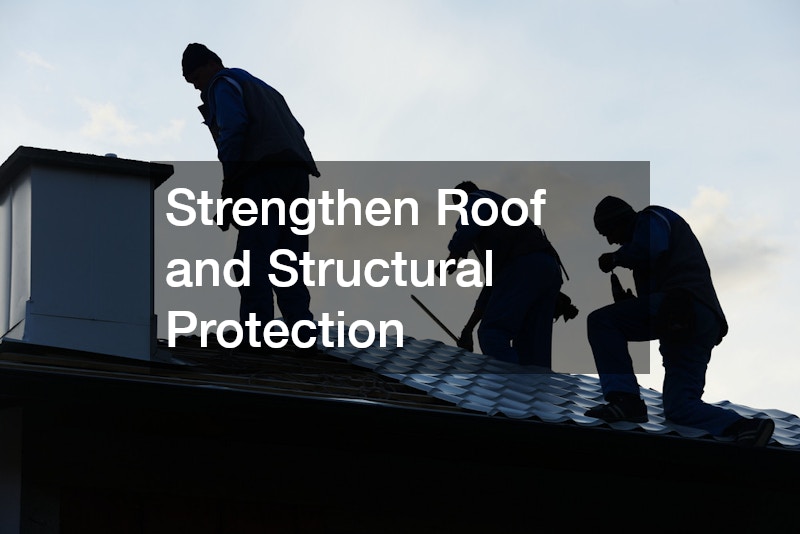
The roof is one of the most important structural elements of a home, and buyers often evaluate it closely before making a purchase decision. A damaged, aging, or poorly maintained roof can significantly reduce property value and may even discourage offers altogether. Beyond appearance, the roof serves as the home’s primary defense against weather, moisture, and temperature fluctuations, meaning its condition directly impacts the integrity of the entire structure.
Working with experienced roofers ensures that issues are properly diagnosed and repaired before they become major problems. Professionals can assess not only visible damage but also underlying concerns such as weakened decking, improper ventilation, or hidden leaks that may not be immediately obvious. In some cases, roof replacements may be necessary to restore full value and prevent future damage, especially when repairs would only provide a short-term fix. While a full replacement is a significant investment, it often yields a strong return by increasing buyer confidence and reducing inspection concerns.
Key indicators that attention is needed:
- Missing or curling shingles
- Water stains on ceilings or attic areas
- Frequent leaks during heavy rain
- Visible sagging or structural wear
Additional warning signs can include moss or algae growth, granule loss on shingles, or rising energy bills due to poor insulation and ventilation in the roofing system. Homeowners should also inspect gutters and flashing regularly, as these components play a critical role in directing water away from the home.
A strong roof improves buyer confidence and reduces negotiation risks during resale. It also protects all other home systems from water damage, including insulation, electrical components, and interior finishes. Ultimately, investing in roof integrity is not just about preventing repairs—it is about safeguarding the entire home’s value and ensuring long-term structural stability.
6. Enhance Exterior Appeal and Outdoor Functionality
First impressions matter, and the exterior of a home sets the tone for everything a buyer expects inside. A well-maintained exterior can significantly increase perceived value and often determines whether potential buyers feel motivated to explore the interior further. Even small exterior improvements can dramatically shift perception from “needs work” to “move-in ready,” which directly influences offers and negotiation strength.
Painting contractors can refresh siding, trim, doors, and other exterior surfaces to make the home look newer and well cared for. Fresh paint is one of the most cost-effective ways to improve curb appeal, especially when paired with updated fixtures such as modern lighting, house numbers, and mailbox designs. Choosing neutral, modern color palettes helps ensure broad buyer appeal while reducing the risk of overly personalized design choices.
In addition, hardscaping services can transform outdoor areas into functional living spaces. Patios, walkways, retaining walls, and outdoor seating areas add both beauty and usability, effectively extending the livable footprint of the home beyond its interior walls. Well-designed hardscaping also helps define outdoor zones, making yards feel more intentional and easier to maintain.
Improvement ideas include:
- Repainting exterior surfaces in modern, neutral colors
- Adding defined walkways and entry paths
- Creating outdoor entertainment or seating areas
- Improving landscaping balance with structural elements
Additional enhancements may include power washing driveways and siding, updating garage doors, installing low-maintenance plants, and ensuring outdoor lighting improves both safety and ambiance. Even simple changes like trimming overgrown shrubs or replacing worn-out mulch can significantly elevate overall presentation.
A visually appealing exterior increases buyer interest before they even step inside, setting a positive expectation that carries through the rest of the home tour.
7. Align All Renovations into a Unified Plan

One of the most overlooked aspects of home improvement is coordination. Without a clear plan, upgrades can feel disconnected and fail to deliver maximum value.
A strategic renovation plan ensures all improvements work together visually and functionally. Instead of making isolated updates, homeowners should think in terms of the entire property.
Best practices include:
- Establishing a clear renovation budget upfront
- Sequencing projects in logical order (structural first, cosmetic last)
- Maintaining consistent design themes throughout the home
- Avoiding unnecessary duplication of work
A unified approach creates a more polished final result and increases overall property appeal.
8. Focus on High-Return Improvement Decisions
Not all upgrades deliver equal value. Some renovations significantly increase resale price, while others have minimal impact.
High-return improvements typically include:
- Kitchen and bathroom upgrades
- Energy efficiency improvements
- Structural repairs and replacements
- Curb appeal enhancements
Lower-return projects often involve highly personalized design choices or luxury upgrades that do not match neighborhood expectations.
Homeowners should always compare renovation costs against potential resale gains before committing to large projects. Understanding local market trends is essential for making informed decisions.
9. Avoid Common Renovation Pitfalls
Many homeowners unintentionally reduce property value through poor renovation choices. Avoiding these mistakes is just as important as making the right upgrades.
Common pitfalls include:
- Over-customizing designs based on personal taste
- Using low-quality materials to save money upfront
- Ignoring essential repairs in favor of cosmetic changes
- Hiring unqualified or unlicensed contractors
Another frequent mistake is over-improving beyond neighborhood standards, which can limit return on investment. The goal should always be balance—improving quality while maintaining market alignment.
Careful planning and professional guidance can prevent costly errors.
10. Prepare for Appraisal and Market Readiness
Once improvements are complete, preparation for appraisal and resale becomes the final step in maximizing value. Presentation plays a major role in how buyers and appraisers evaluate the home.
Effective preparation includes:
- Deep cleaning all interior and exterior spaces
- Organizing and decluttering rooms to maximize perceived space
- Completing minor repairs such as fixtures, handles, and trim
- Documenting all upgrades and improvements made
Staging the home can also help buyers visualize how spaces function. A well-prepared home often sells faster and at a higher price compared to similar properties that are not presented as effectively.
Maximizing property value requires a thoughtful and structured approach rather than scattered upgrades. The most successful homeowners focus on understanding their property’s condition, improving essential systems, and making upgrades that align with buyer expectations and market demand.
Strategic improvements not only increase resale value but also enhance comfort, efficiency, and long-term durability. By prioritizing smart investments, avoiding common mistakes, and maintaining a cohesive plan, homeowners can ensure that every improvement contributes meaningfully to the overall value of their property.